Why So Many Military Buyers Regret Getting Solar in Las Vegas | Carpool Confessions

Why So Many Military Buyers Regret Getting Solar in Las Vegas | Carpool Confessions
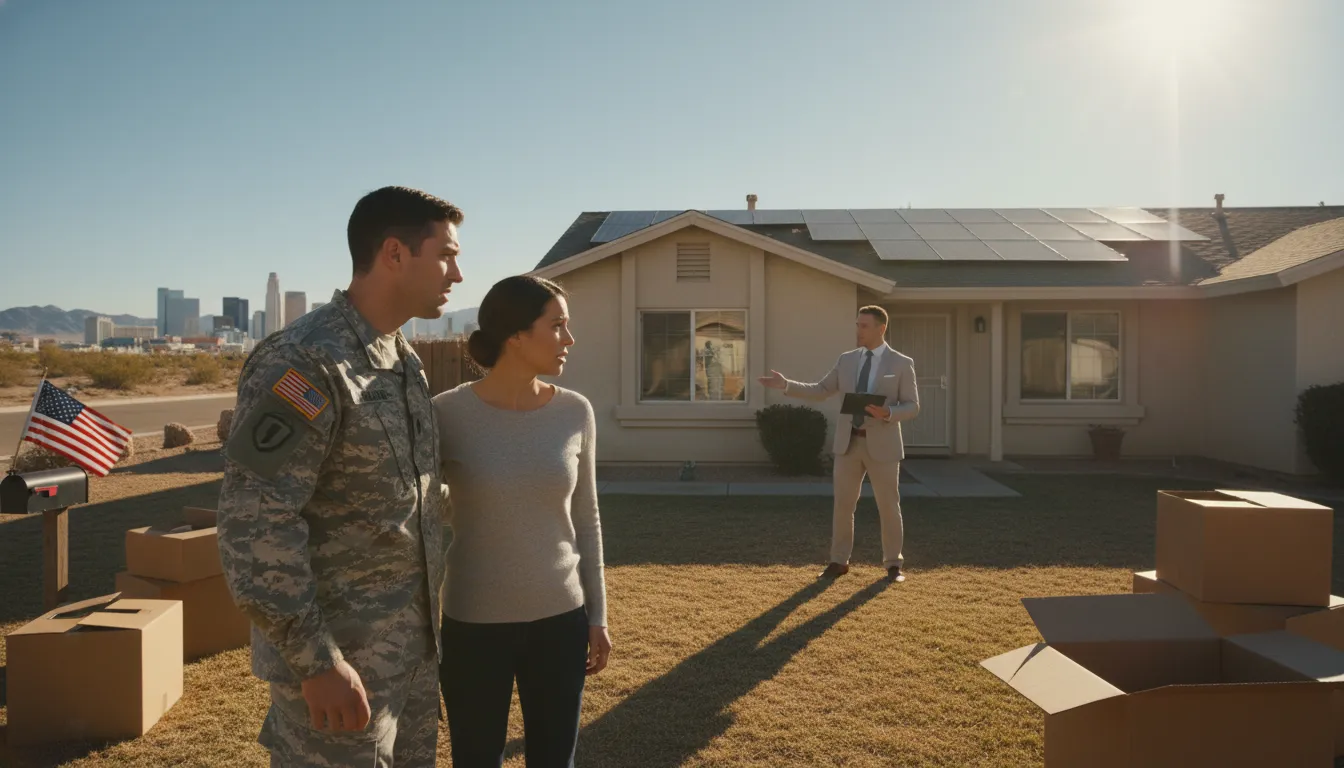
When you PCS to Las Vegas, every contractor, salesperson, and friendly stranger seems to have one pitch: solar. I hear from military families all the time about high-pressure knock-on-door salespeople and glossy promises that sound like instant savings and higher home value. I want to lay out what I’ve learned the hard way and from dozens of real people so you can make a clear-headed decision before signing anything.
☀️ Why solar companies target new arrivals and military families
There’s a reason solar reps camp out around Sam’s Club, Home Depot, and the housing developments where people are unpacking boxes. New arrivals are busy, distracted, and often unfamiliar with local laws, incentives, and the fine print in solar contracts. That makes them prime targets.
I hear the same pattern repeatedly: a sunny sales pitch about savings, a quote that looks great on paper, and a slick sales process that treats questions as obstacles rather than requests for clarity. Sales teams will use every persuasive trick in the book because their job depends on making the numbers look irresistible on day one.
I’ll be blunt: a lot of these offers are structured so the homeowner ends up paying as much or more than they would for regular electricity, and in many cases the arrangement creates headaches when you try to sell the house later.
📈 The different ways companies sell solar (and why the differences matter)
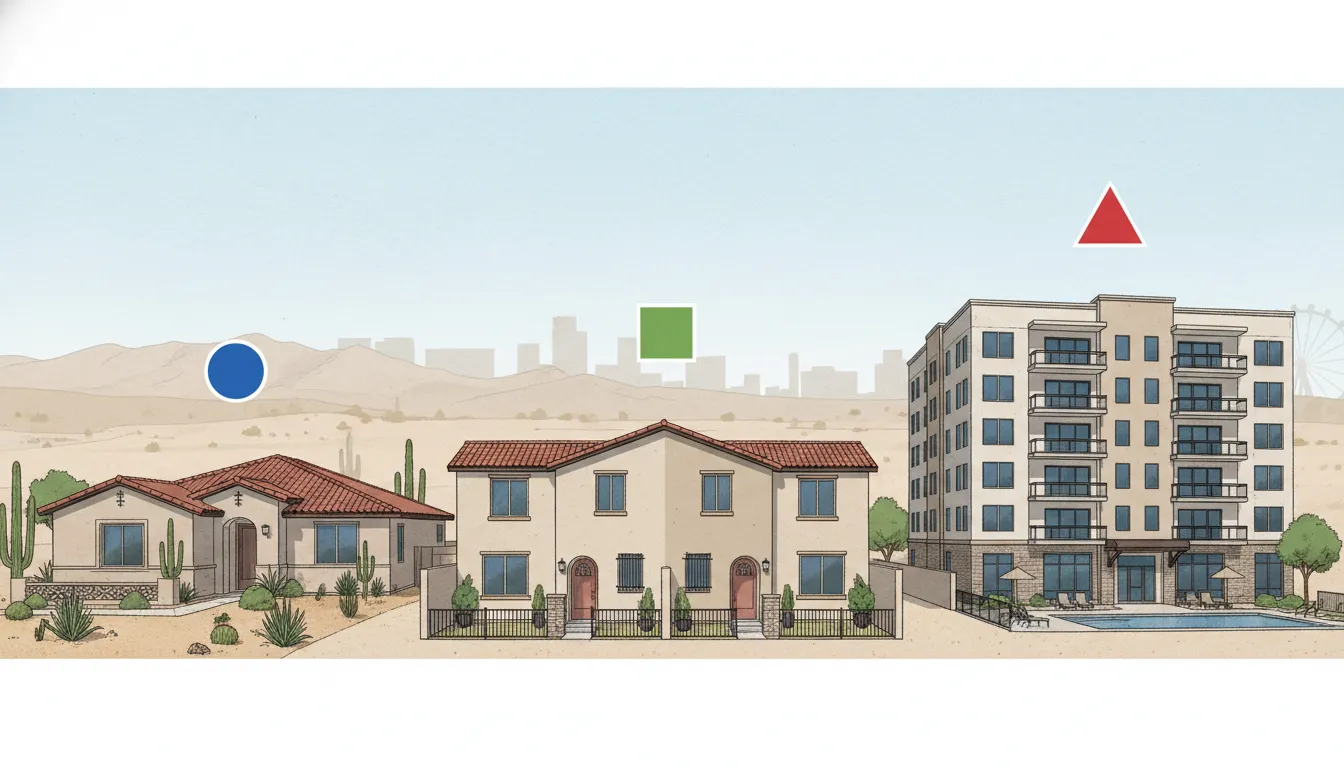
There are four common ways solar gets sold to homeowners. Understanding the structure is the single most important thing you can do before letting anyone on your roof.
- Owned outright — You pay cash or buy the system, and you own it. This is the only scenario that reliably adds the value referenced in studies that claim a roughly 4% boost to home value. Paid-off systems can produce real long-term savings and marketable value for buyers.
- Financed (loan) — You borrow to buy the system. This looks like ownership, but until the loan is paid off the system isn’t free and many appraisers will not treat it the same as paid-off equipment. Studies that claim increased home value are explicit: the system must be paid for.
- Lease — You pay a monthly amount to a third party that owns the panels. This often reduces a house’s appeal to buyers because there is a lease liability attached to the property. Leases usually do not increase home value and can decrease it.
- Power Purchase Agreement (PPA) — You buy the electricity the panels produce from the owner, usually at a contracted rate. Like leases, PPAs do not add home value and frequently complicate a sale.
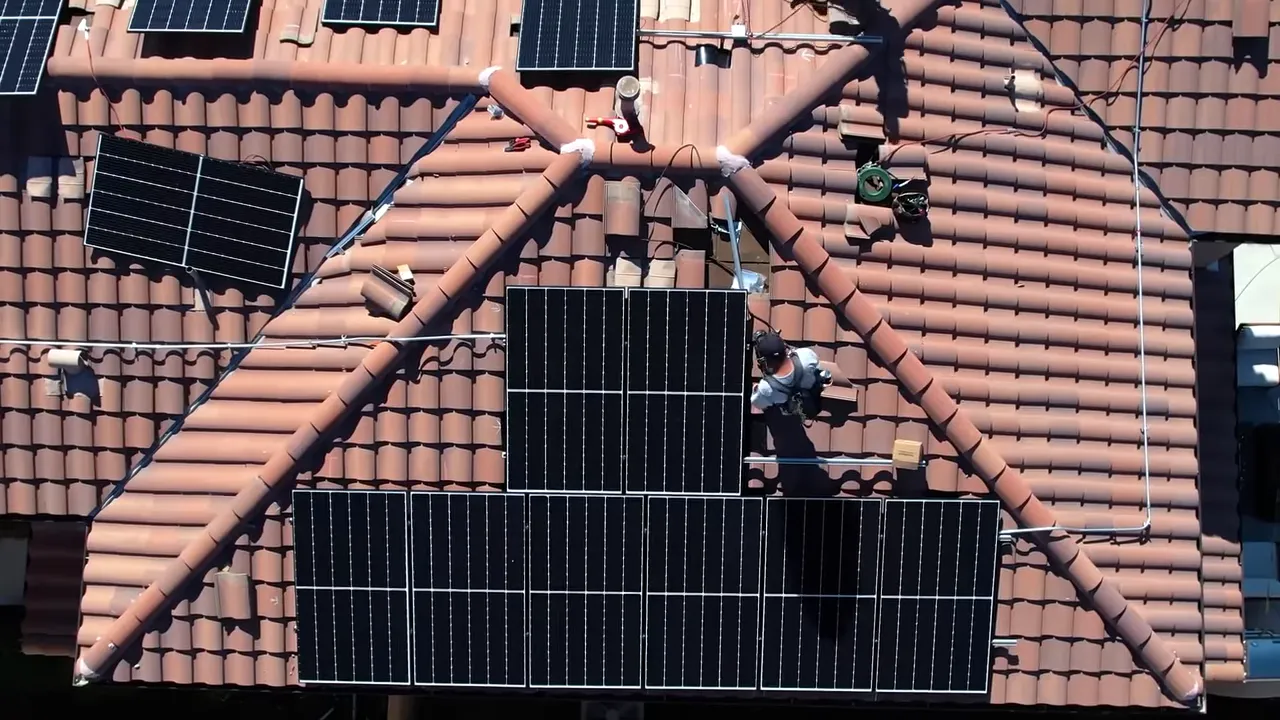
I helped a guy I’d served with who had a rooftop system installed that charged his electric car and powered the house for under $10,000. The kicker: companies will try to sell that same setup to many buyers for $35,000 to $50,000. The system can absolutely cost less than what mainstream installers charge when builders or certain vendors bundle it correctly. The problem is the majority of people aren’t buying a paid-off system; they’re being steered into arrangements that look like savings up front but don’t deliver long-term value.
🧮 How salespeople manipulate the “energy savings” math
Sales reps are excellent at running numbers so that the monthly payment looks smaller than your current bill. They will:
- Underestimate your true electricity usage in their initial assessment
- Quote conservative system sizes to make upfront numbers look attractive
- Structure contracts where extra panels, performance guarantees, or maintenance get added later
- Emphasize cherry-picked statistics from studies without explaining the conditions behind them

Here’s a common trap: you sign a lease for $250 per month because your present bill averages $300. That looks like a win. Six months later you’re still paying a utility bill. The company says the original assessment was off and installs more panels. After the add-on, your total outlay equals or exceeds what you used to pay to the utility. Suddenly that “savings” is gone and you may be obligated to a long-term payment stream or lease that’s difficult to break.
It’s the same emotional play used in car buying—the dealer makes the monthly payment seem reasonable, you feel good at signing, and only later do you realize the total cost. Solar sellers will patiently teach you why your original math was wrong and why you need more panels—that’s how they lock the sale.
🏗️ When solar actually makes sense: builders and net-zero homes
There are legitimate cases where solar is a straightforward win. The most obvious example is when a home builder includes solar as part of the purchase price and the system is included in the mortgage. These systems are not an add-on payment; they are part of the home’s baseline features.
<img src="https://firebasestorage.googleapis.com/v0/b/videotoblog-35c6e.appspot.com/o/%2Fusers%2FjWHHxVz9lPhTWobyNsW7yxwtk3V2%2Fblogs%2F7V3xMXidt0yxSik2d1Ny%2Fscreenshots%2F6c736f42-98ba-464d-a193-fc3b852575f9.webp?alt=media&token=ae684d10-2718-44ad-a556-f02c4fce3f6b" alt="Beazer Homes website listings with a bold " net="" zero="" homes"="" banner="" overlay"="" width="100%" style="object-fit: cover;">
Some builders are rolling out net-zero homes that are designed to produce as much energy as they consume. When a reputable builder includes a system and it’s baked into the purchase price, you don’t inherit a lease or a separate loan. That’s very different from a third-party lease or a contract that attaches monthly payments to the homeowner.
When talking to a builder about included solar, ask:
- Is the solar system included in the purchase price or is it an optional upsell?
- Who owns the system on closing?
- Is the system transferable to a new owner at sale, and are there any outstanding obligations?
- Does the home qualify as net-zero under any local or third-party standard?
🔍 Practical steps I tell people to avoid getting burned
There’s a lot of snake oil out there, but you can protect yourself with a few straightforward steps.
- Know exactly what you are buying — Is the system owned, financed, leased, or under a PPA? Ownership matters for value and resale.
- Read the contract carefully — Look for transfer provisions, early termination costs, and performance guarantees.
- Check assumptions in the energy assessment — Ask for the data they used. Are they using realistic household usage numbers? Do they account for EV charging?
- Get multiple quotes — Don’t take the first attractive number. Compare systems, warranties, and equipment brands.
- Ask about panel and inverter brands — Cheaper components can mean early replacement costs.
- See whether the system is included in the mortgage — If it’s bundled by a builder, confirm it isn’t a separate payment.
- Check resale scenarios — Ask real estate professionals how leased systems are handled on sale in your market.
- Price panels yourself — Look at retail sites to get a sense of baseline panel cost and compare to what you’re being quoted.
- Don’t let pride or pressure push you — If someone is rushing you or dismissing questions, step back. A legitimate, long-term investment will withstand scrutiny.

I also want to flag one specific resource-related issue for military families: many people have an excellent mortgage option through a VA loan and sometimes lenders or sellers will push you away from that to an unfamiliar loan product. Only about 16 percent of eligible veterans and active duty service members use a VA loan. That’s often because professionals who don’t understand how VA loans work will steer people toward alternative financing that may not be as favorable. If you qualify, make sure you understand the benefits of the VA option before agreeing to different loan types tied to a solar purchase.
🔑 Why sellers and buyers often hate leased solar systems at closing
When a house on the market comes with a leased solar system, the first question from buyers is typically: who’s taking the solar? Buyers worry about assuming monthly payments or inheriting an unhelpful contract. Sellers will sometimes ask to remove leased systems just to simplify the transaction. That hesitation at closing can cost time and money, and it can even kill deals.
If you’re selling a house with solar, the cleanest path is a fully paid system that transfers with the property or a clear payoff and transfer procedure. Anything else adds friction that savvy buyers will push against.
💬 Common seller tactics and the red flags I always warn people about
These are the red flags that tell me the conversation might be going south:
- Pressure to sign immediately or claims that an offer is only valid today
- A refusal to show the full assessment data or energy usage numbers
- Vague answers about what happens when you sell the house
- Refusal to provide itemized pricing for equipment, installation, and ownership options
- Unwillingness to discuss the exact terms of leases or PPAs in plain language
If any of these pop up, I recommend pausing the process and getting independent advice from a real estate professional or an energy-savvy consultant.
❓ FAQ
Does solar really increase my home value by 4 percent?
The studies that cite a 4 percent increase are real, but they are very specific: the system must be owned and paid off. Leases and PPAs do not confer that value increase. If the system is financed or leased, most appraisers and buyers will treat it differently and may not add value to your sale price.
Are solar leases and PPAs always bad?
No, not always. Leases and PPAs can make sense for homeowners who plan to stay in the same place for a long period and who prioritize predictable monthly energy costs over ownership. The issue is transparency. If the contract is fair, clear, and you fully understand the resale implications, it might work. Too often those contracts are opaque and difficult to transfer.
How can I tell if a solar company is underestimating my usage on purpose?
Ask for the raw data they used to calculate your system size and monthly savings. Compare it to your actual electric bills for at least the past 12 months. If their projected system size and production do not align with your historical usage, get a second opinion from another installer or an independent energy auditor.
Should I price panels on Amazon to compare?
Checking retail prices can give you a rough sense of equipment cost, but installation, permits, wiring, and inverters add expense. Use retail pricing as a sanity check; if an installer’s equipment-only cost is several times higher than market retail, that is a red flag. Still prioritize reputable brands and warranties over the absolute lowest sticker price.
When is a builder-included system better than a third-party installer?
Builder-included systems that are part of the mortgage or purchase price eliminate the separate monthly payment headache. If a reputable builder includes a compliant, documented system, you avoid transfer problems at sale and generally get a cleaner ownership path. Make sure the system, warranties, and transfer terms are spelled out in the purchase contract.
How does a solar system affect selling my home?
It depends on ownership. A paid-off system is an asset and marketable. A financed system may complicate closing but can be handled. Leases and PPAs often cause the most trouble: buyers will ask whether they must assume the lease or whether it can be paid off. That conversation can slow or derail the sale if not managed before listing.
🎯 Final advice I stick to when working with military families
My goal is simple: keep your options open and your financial picture clean. Ask pointed questions, demand documentation, and never let a salesperson make you feel like you’re the one being unreasonable for asking for details. If a deal sounds too good or moves too quickly, slow it down.
When a home builder includes solar properly, it can be a genuine win. When third-party companies push leases and complicated financing, you need to be careful. Use the VA loan benefits if you qualify and don’t let anyone convince you to abandon that option without a clear and documented reason.
There’s a lot of noise out there, but with the right questions and a little patience you can avoid common traps and find the right energy solution for your family and home.
Categories
Recent Posts