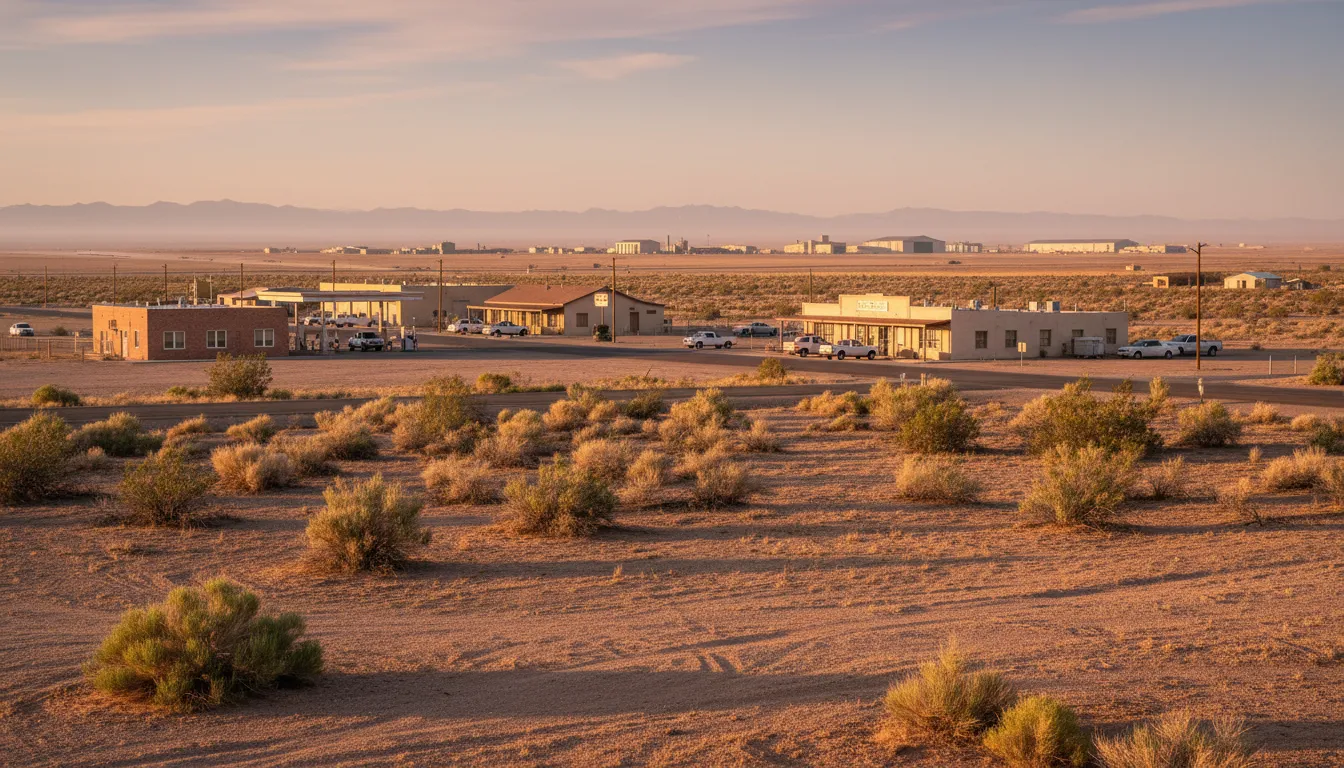
The New Construction Problem Squeezing Las Vegas Home Buyers Out In 2026

The New Construction Problem Squeezing Las Vegas Home Buyers Out in 2026

If you are moving to Las Vegas in 2026, there is one market shift you need to understand before you pick a neighborhood, call a builder, or assume your budget will stretch the way it did a few years ago.
New construction in Las Vegas is being built heavily in the $600,000 to $1.5 million range, while a huge portion of relocating families are shopping closer to $400,000 to $550,000. That gap is not random. It is changing where people can live, how much leverage they have, and whether buying new construction is even realistic.
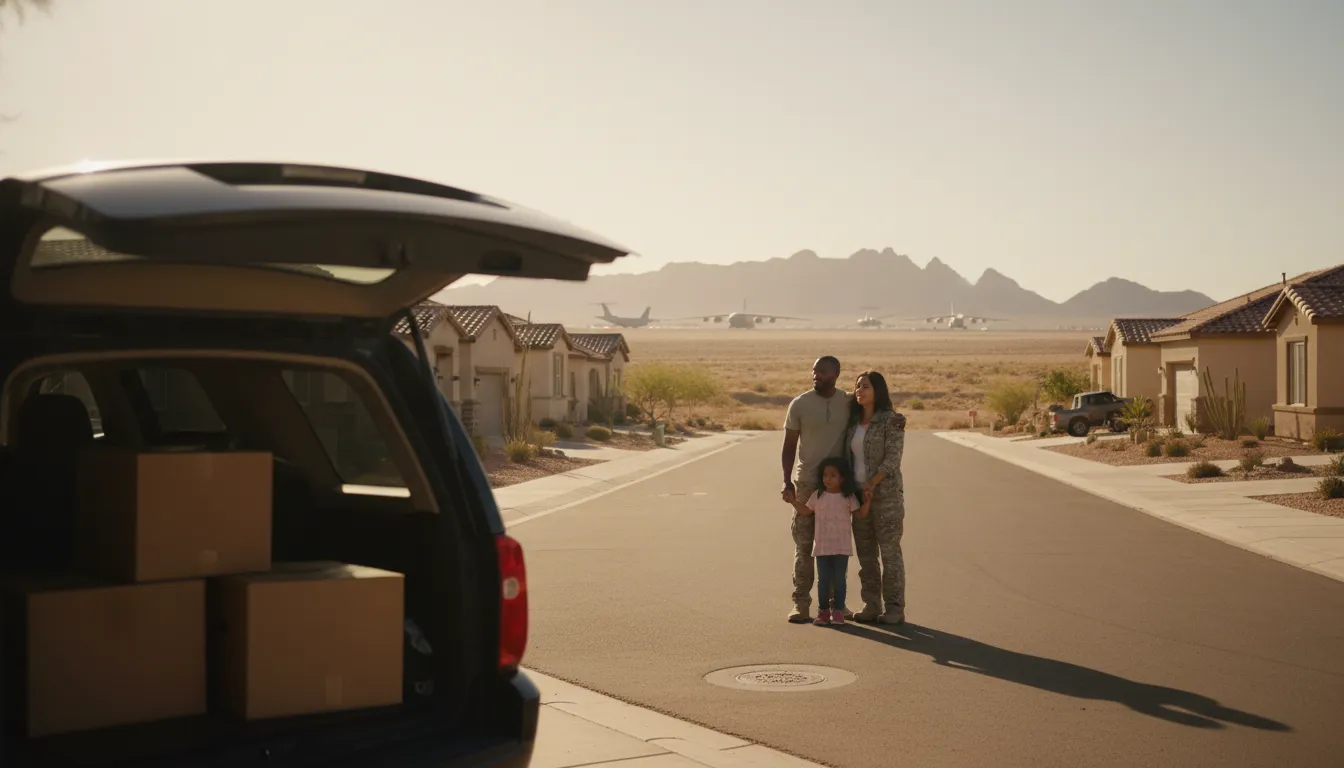
That matters if you are relocating from California, Texas, or anywhere else. It matters if you have PCS orders to Nellis Air Force Base or Creech Air Force Base. And it absolutely matters if you are trying to make a smart move instead of getting caught up in the marketing gloss that surrounds Las Vegas real estate.
The good news is this market is not impossible. But it does reward people who understand the numbers early.
📊 What the Las Vegas housing data is really showing
The middle of the Las Vegas single-family market is still sitting roughly around the high $400,000s. In practical terms, think about a median sales price in the neighborhood of $470,000 to $500,000.
That sounds manageable for a lot of households relocating here.
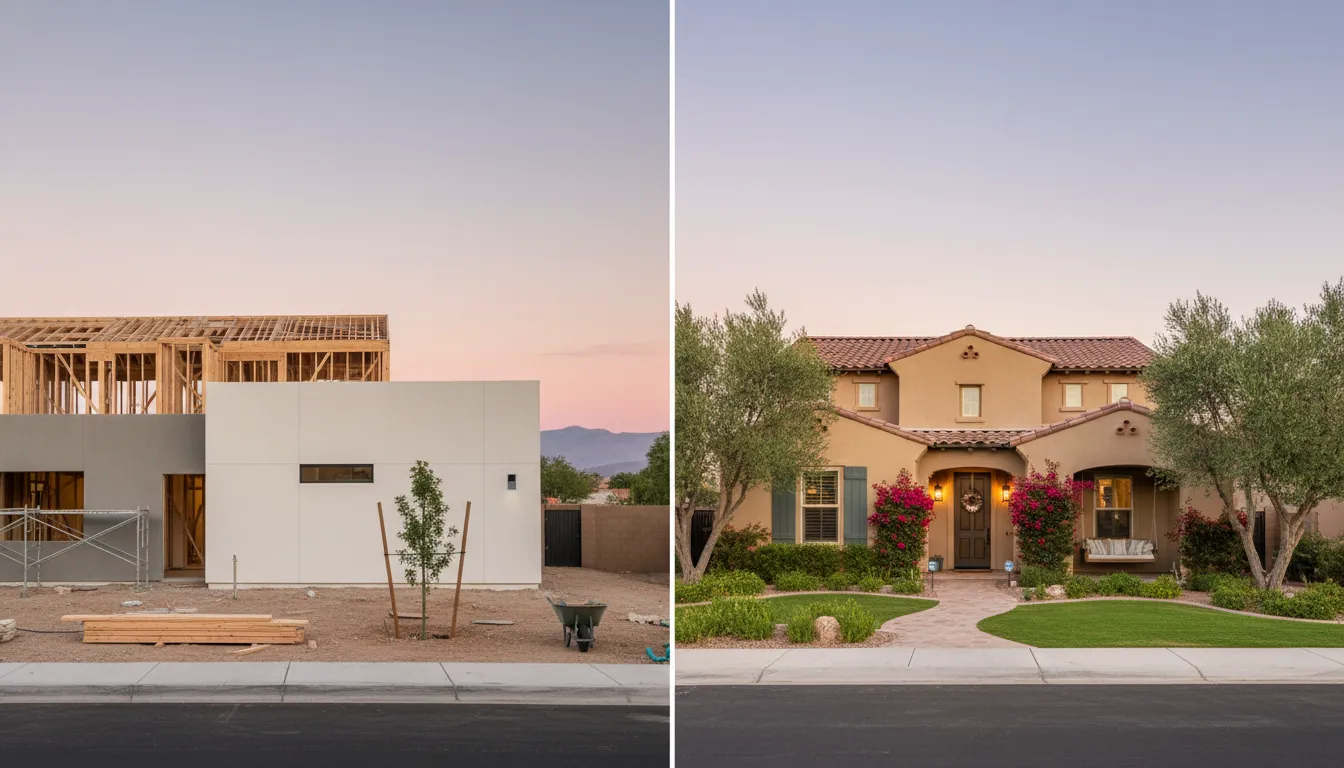
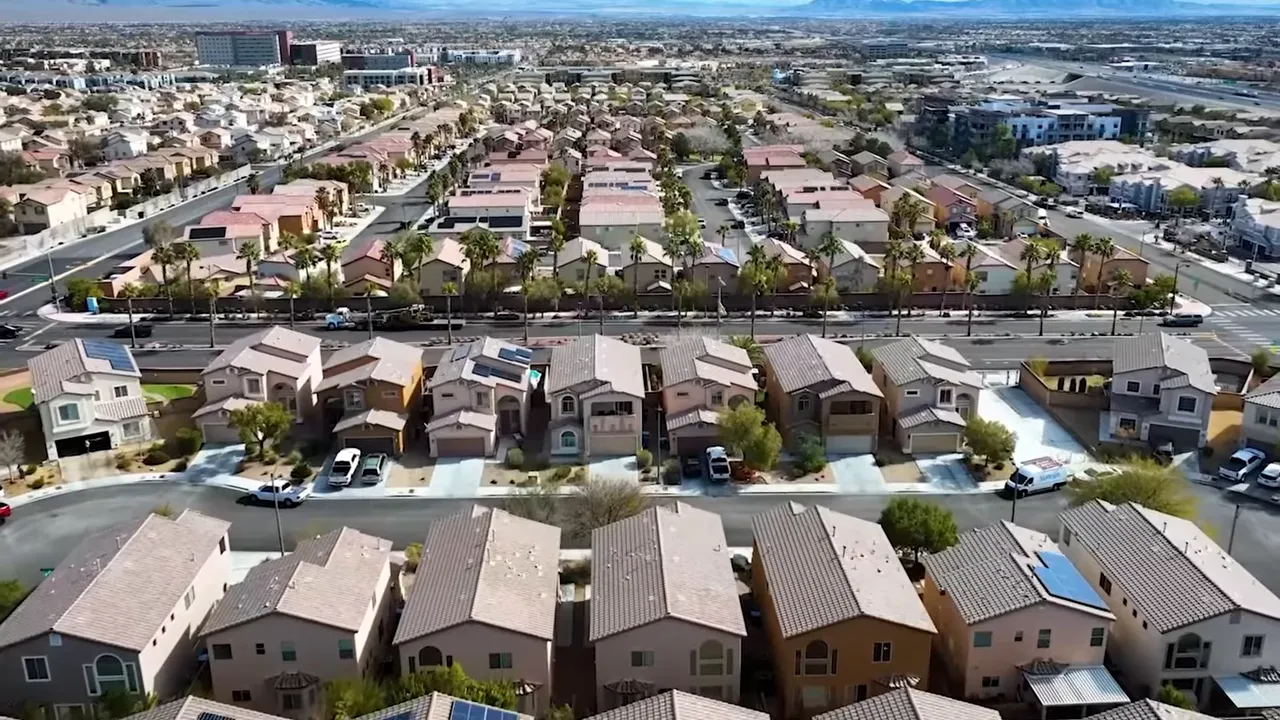
The problem is that builders are not producing much inventory at that level anymore. Most of the homes being designed, permitted, and delivered are above that middle price point. In many communities, the strongest concentration of new construction starts around $600,000 and climbs fast.
So even though the median market suggests one thing, the actual supply pipeline says something else.
This creates a pressure zone in the middle. Families shopping from about $400,000 to $550,000 are chasing a relatively thin slice of inventory, especially if they want newer homes, better schools, or master-planned communities.
At the same time, luxury is holding strong. Cash-heavy buyers continue to show up in top-tier communities, especially in places like Summerlin, MacDonald Highlands, and Ascaya. That demand helps keep high-end development moving, while affordable new construction keeps getting pushed further out of reach.
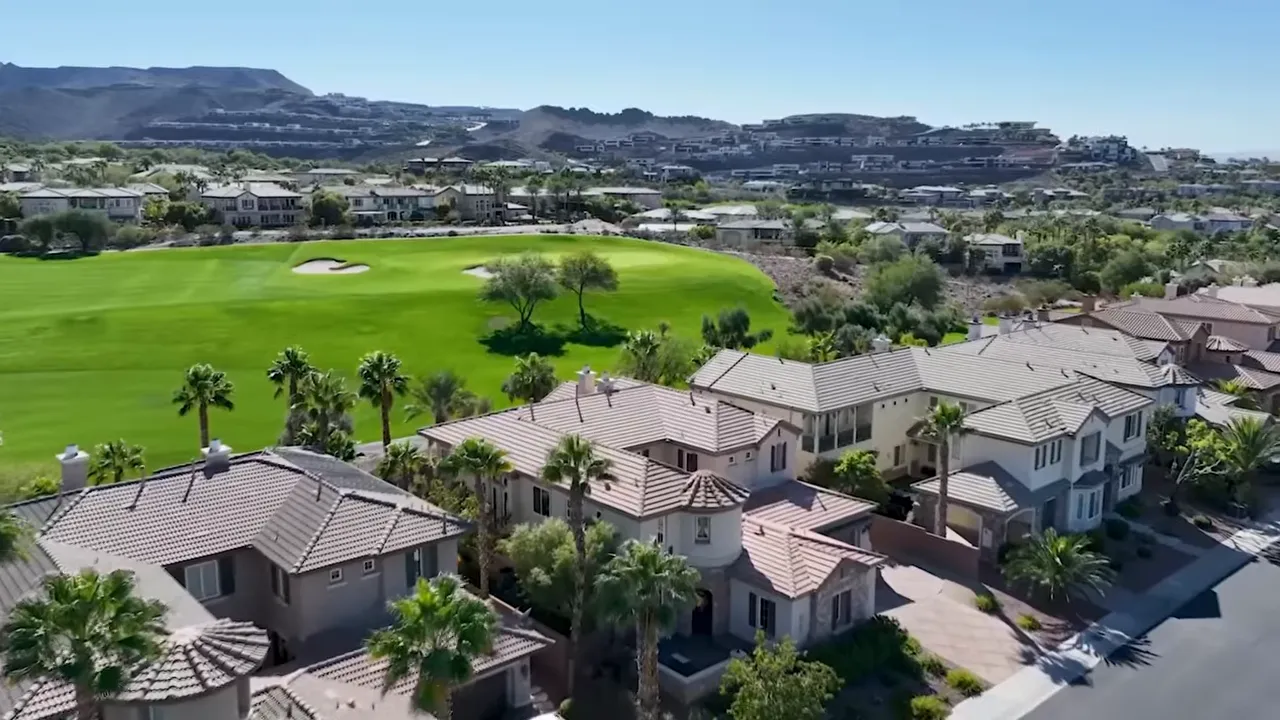
🏗️ Why builders are skipping the price range most families need
There are a few big reasons this is happening, and they are structural.
Land is limited and expensive
A large amount of undeveloped land around the Las Vegas Valley is controlled by the federal government through the Bureau of Land Management. That means buildable land is not released quickly or cheaply. When land comes at a premium, builders have to chase higher margins.
That naturally pushes projects up the price ladder.
Out-of-state equity is reshaping demand
Las Vegas continues to attract buyers from expensive coastal markets, especially Southern California. A household arriving with a large chunk of equity from a prior home sale can compete very differently than a first-time buyer or a military family working from BAH and standard financing.
Those buyers often target master-planned communities, which further strengthens demand in exactly the places most relocators also want to live.
Existing owners are not giving up low mortgage rates
Many homeowners are still sitting on mortgage rates around 2% to 3%. They have very little incentive to sell unless they absolutely have to. So even with inventory improving year over year, the resale pipeline remains tighter than people expect.
The result is simple. Builders move upscale, resale inventory stays constrained, and middle-income buyers get squeezed.
For broader market context, Realtor.com research and housing data from sources like the U.S. Census Bureau new residential construction reports help show how supply patterns and affordability are diverging nationwide. Las Vegas is feeling that pressure in a very local way.
🌴 Is Las Vegas still a good place to live?
Yes, but only if you walk into it with your eyes open.
Las Vegas can be a fantastic place to live. The biggest overlooked financial advantage is Nevada’s lack of state income tax. For many families, that means thousands of dollars a year staying in their pocket compared with states like California, Oregon, or Illinois.
That matters because it changes your housing math. If your gross salary stays the same but your state tax burden disappears, your effective monthly budget improves before you ever look at a listing.
That said, some relocation guides paint Las Vegas as cheap across the board, and that is where people get into trouble. The tax savings are real. The affordability shortcuts are not.
Schools vary significantly depending on where you land. Utility costs can be higher than expected. HOA structures can be layered. And not every part of the valley feels the same in terms of commute, community quality, or long-term value.
🏫 Schools in Las Vegas depend heavily on location
If schools are a major factor for your family, the honest answer is that Las Vegas is uneven.
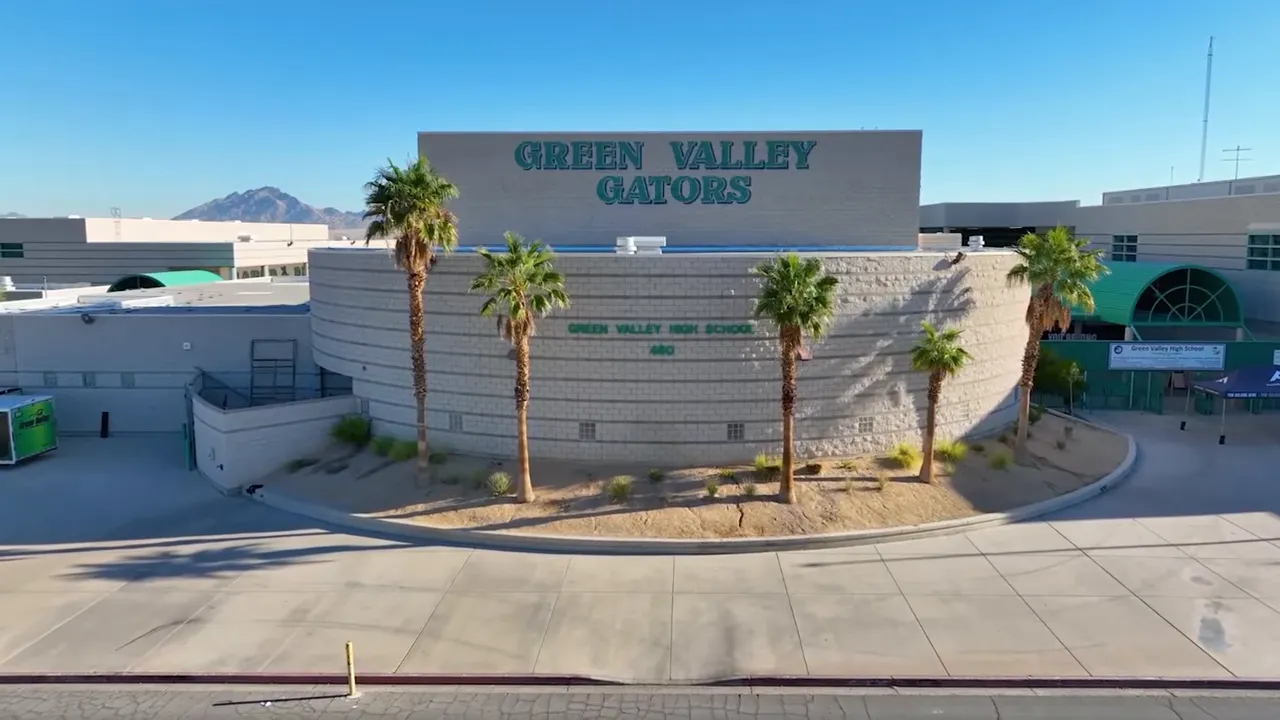
The Clark County School District is one of the largest in the country, and quality changes a lot by neighborhood. There is no one-size-fits-all answer.
Areas that consistently come up as stronger options include:
- Summerlin
- Henderson
- Green Valley
There are also excellent magnet programs across the valley, including highly regarded academic and arts-focused options. If you choose your neighborhood carefully, the school question becomes much easier to solve.
For military families, school planning should start early. If you are heading to Nellis, use the school liaison resources available through the installation before signing a lease or going under contract on a home.
For more general district information, the Clark County School District is worth reviewing directly.
💸 The hidden costs that surprise Las Vegas buyers
A lot of people budget for principal, interest, taxes, and insurance. Then they get blindsided by everything else.
HOA fees can stack
In many master-planned communities, you are not dealing with just one HOA bill. You may have:
- A master-planned community fee
- A sub-association fee for your specific neighborhood or gate
- A SID or LID assessment tied to local infrastructure improvements
That last piece can quietly tack on another monthly cost and does not always stand out in listings the way it should. In some neighborhoods, these layered fees materially affect affordability.
If you are comparing homes, you need the real payment, not the pretty payment.
Summer electric bills are no joke
Las Vegas is in the Mojave Desert. That is not a cute branding line. It is a budgeting issue.
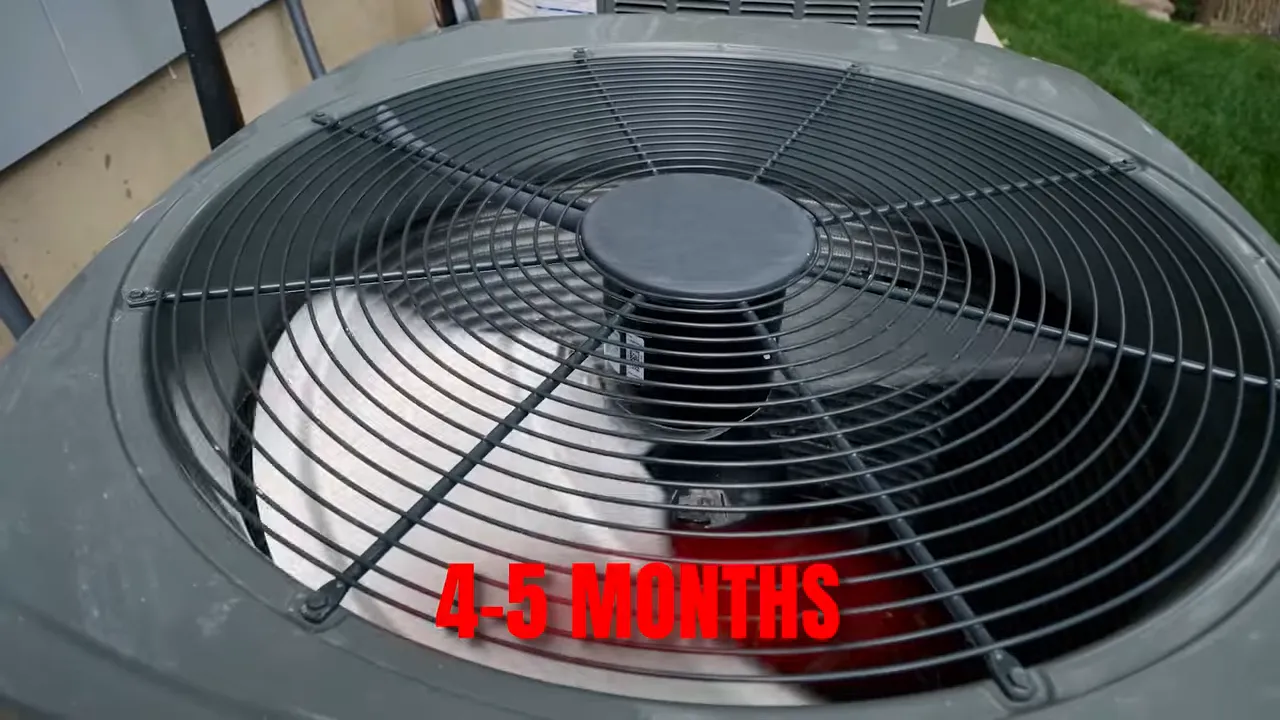
In peak summer, electric bills commonly jump into the $250 to $400 range depending on the home’s size, insulation, AC efficiency, and sun exposure. In older or less efficient homes, it can go beyond that.
One factor buyers underestimate is yard orientation. A west-facing backyard takes a beating in the afternoon and evening, and that extra heat can drive cooling costs up month after month. In this climate, practical details like AC age and house orientation can matter more than cosmetic finishes.
🪖 What military families need to know before a PCS to Nellis or Creech
This market hits military families in a very specific way because timing is compressed and housing decisions often have to happen fast.
For 2026, BAH in the Las Vegas military housing area is roughly around:
- E-5 with dependents: about $2,070 per month
- O-3 with dependents: about $2,487 per month
That gives you a baseline, but it does not tell the whole story. With PCS orders in hand, many VA lenders can qualify buyers using the BAH tied to the gaining duty station before arrival. That can expand your options if you start planning early enough.
Here is the practical housing reality:
- Nellis on-base housing exists, but availability is limited.
- Creech has no on-base housing, so every family assigned there needs an off-base plan.
If you are headed to either installation, do not wait until the last minute. The housing search should begin as soon as orders are real.
Current BAH details can always be verified through the Defense Travel Management Office.
🏠 Rent or buy near Nellis Air Force Base?
For many military households on a standard three-year assignment, buying can make a lot of sense right now, especially if VA eligibility is available and unused.
The VA loan changes the math in a big way:
- Potential for zero down payment
- No private mortgage insurance
- Competitive financing options
- Ability to preserve cash during a relocation
That matters even more in a market where sellers are offering concessions again. Rate buy-downs, closing cost credits, and price reductions are much more common than they were during the frenzy a couple of years back.
Because of those concessions, the break-even point between renting and buying has tightened. It is not a universal answer for every family, but it is a much closer conversation than many people assume.
If you are on a three-year tour and buying in the right location, the numbers can absolutely work.
One critical rule for new construction and VA buyers
If you are considering a builder community, bring your own agent with you on the first visit.
Builder representatives work for the builder. That does not make them bad people. It just means they are not there to protect your interests. The purchase price usually does not change because you brought representation, but your guidance through contracts, incentives, and VA-specific issues can absolutely change the outcome.
That is especially important with appraisal standards, timelines, and closing cost traps.

📍 Best areas near Nellis and Creech for relocating families
If you are trying to narrow the map quickly, here is the practical version.
Near Nellis Air Force Base
Strong starting points include:
- Centennial Hills
- Aliante
- Providence
These areas offer a better balance of commute, price, and housing quality for many military families. In the right pockets, resale homes in the $400,000 range can still be found.
Near Creech Air Force Base
Creech sits well northwest of Las Vegas near Indian Springs, so the commute is a real factor. Most families assigned there still choose to live in the northwest part of the valley to stay connected to schools, retail, and normal daily life while reducing drive time as much as possible.
That usually means places like Centennial Hills, Aliante, and nearby northwest communities.
There is also a FedVan shuttle between Nellis and Creech that some military members use to cut down on fuel costs and wear on their vehicles. That can be a meaningful quality-of-life factor over time.
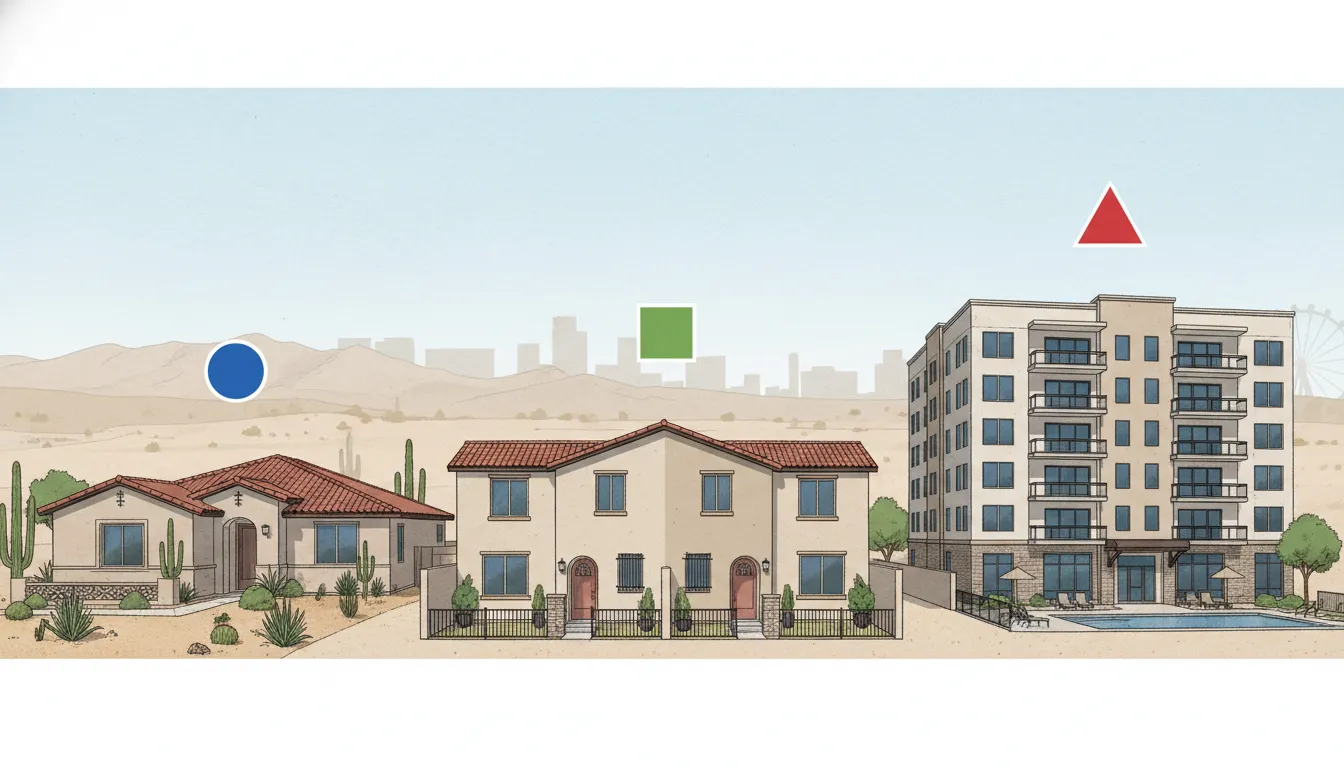
🌆 Las Vegas neighborhood breakdown without the sales pitch
Summerlin
Summerlin is the polished, high-demand address on the west side of the valley. You get proximity to Red Rock, strong amenities, highly regarded schools, and some of the best master planning in the region.
You also pay for it. Price per square foot is generally among the highest in the metro. If your budget supports it, Summerlin delivers. If not, forcing the numbers here can be a mistake.
Henderson
Henderson is one of the strongest family-oriented alternatives in the valley. It has a reputation for safety, solid parks, strong schools in many areas, and a real community feel. Neighborhoods like Cadence have attracted plenty of relocating buyers who want quality without paying the full Summerlin premium.
For a lot of families, Henderson hits the sweet spot.
North Las Vegas corridor
When people say North Las Vegas in this context, they often mean communities such as Centennial Hills, Aliante, and Providence. This is where a lot of military families end up because it is generally more affordable and works better for commuting to Nellis.
The caution here is school variation. Some pockets make more sense than others, so this is not a zip-code decision. It is a neighborhood decision.
Skye Canyon
Skye Canyon offers a newer master-planned feel in the far northwest. It appeals to buyers who want newer homes, open space, and outdoor access. The trade-off is distance. Commutes to bases and other parts of the valley can be longer than people expect.
Southwest Las Vegas and Southern Highlands
These areas can give you newer homes and more square footage without Summerlin pricing. For the right household, that is a win. For someone who has to drive regularly to Nellis or Creech, it can become frustrating fast.
That is why I always narrow neighborhoods around three things first:
- Commute
- Budget
- School priorities
Once those are clear, the map gets a lot simpler.
📈 Is 2026 a good time to buy a home in Las Vegas?
Yes, with some important conditions.
Right now, Las Vegas is leaning more favorable for buyers than it has in recent years. Inventory is up compared with last year. Homes are staying on the market longer. Sellers are more willing to negotiate on price, repairs, closing costs, and financing incentives.
That is real leverage.
But it may not last forever. If rates fall and sidelined demand rushes back in, the balance can shift quickly. Las Vegas does not need a massive wave to change negotiating power. It just needs enough buyers to soak up the middle of the market again.
If you are shopping between $400,000 and $550,000
Resale is probably where your best opportunities are right now. There is more selection and more flexibility from sellers than many buyers have seen in years.
If you are shopping above $600,000
Builder incentives are worth serious attention. Rate buy-downs, upgrade packages, and closing cost credits can improve the deal materially. Just do not confuse incentives with representation. Those are two different things.
If you are military on PCS orders
Do not assume renting is automatically safer. In this market, and with VA benefits on the table, buying may be the stronger move depending on your timeline and monthly numbers.
🧭 How to avoid getting squeezed out of the Las Vegas market
If I had to boil this entire market down into one strategy, it would be this:
Get real information early and make decisions from actual numbers, not assumptions.
That means:
- Knowing your true payment with HOA layers included
- Budgeting for desert utility costs
- Understanding whether resale or new construction fits your price point
- Using VA financing intelligently if you are eligible
- Choosing neighborhoods based on commute, schools, and lifestyle, not just listing photos
Las Vegas can absolutely work for relocating families, first-time buyers, military households, and move-up buyers. But the people who do best here are usually the ones who plan before they feel pressure to act.
❓Frequently asked questions
Why is new construction in Las Vegas getting more expensive?
Builders are dealing with expensive land, rising labor and material costs, and stronger profit margins in higher price ranges. That is why so much new inventory is concentrated above $600,000 instead of being built for middle-income buyers.
What is the toughest price range for buyers in Las Vegas right now?
The biggest squeeze is generally in the $400,000 to $550,000 range. That is where many working families and military households are shopping, but purpose-built new construction is limited and resale inventory is highly competitive.
Is Summerlin worth the premium?
If your budget supports it, Summerlin offers strong schools, amenities, dining, retail, and access to Red Rock and the western edge of the valley. It is one of the most desirable areas in Las Vegas, but buyers do pay a clear premium for that package.
What are the best neighborhoods for military families near Nellis?
Centennial Hills, Aliante, and Providence are often the best starting points because they balance commute, affordability, and resale options better than many other parts of the valley.
Should military families rent or buy in Las Vegas?
It depends on timeline, budget, and financing, but buying can make strong sense for many households on a three-year assignment, especially if they can use a VA loan and take advantage of current seller concessions.
Are HOA fees high in Las Vegas master-planned communities?
They can be. Some communities have multiple layers of fees, including a master-plan HOA, a sub-association, and infrastructure-related assessments. Buyers should always review the full monthly cost before making an offer.
How much should I budget for utilities in Las Vegas?
Summer electric bills are often higher than newcomers expect. A reasonable estimate for many homes during peak season is around $250 to $400 per month, depending on efficiency, home size, AC condition, and sun exposure.
Las Vegas is still a market full of opportunity. It is just not a market that rewards casual assumptions anymore. If you understand where the supply gap is, how the neighborhoods differ, and what your actual monthly cost looks like, you can still make a smart move and come out ahead.
Categories
Recent Posts