How to ACTUALLY Search for a Home in Las Vegas (Homebuying Process Part 6)

How to Actually Search for a Home in Las Vegas

House hunting sounds easy until you actually start doing it.
You get pre-approved, open Zillow, save a bunch of homes, maybe text a few to your agent, and suddenly it feels like you are making progress. But a lot of buyers, especially first-time buyers and people relocating to Las Vegas, are not really searching in a way that helps them make a smart decision. They are browsing. That is not the same thing.
If you want to buy well, save time, avoid frustration, and keep yourself from falling for the same traps everybody else falls for, you need a better system.
This is the part of the process where things become real. You are not just thinking about buying anymore. You are narrowing neighborhoods, driving streets, comparing home types, figuring out what actually matters, and learning how to separate a good listing from a good house.
🏠 First, get clear on what “searching” really means
Real home searching is not opening an app and tapping a heart icon.
It starts after you have already handled the money side, or at least most of it. Ideally, you have your pre-approval in hand and you know what kind of financing you are working with. That matters because without it, you are not searching with boundaries. You are just dreaming on the internet.
And yes, once you are in the process, everybody has motivations. Lenders want to protect the loan. Agents want to keep you inside their ecosystem. Portals like Zillow, Trulia, Realtor.com, and Homes.com want your attention and your contact information. None of that is shocking. It is just important to understand.
When you understand everybody’s incentives, you can make better decisions without getting pulled around.
📱 Where should you search for homes?
Most buyers end up on the big platforms first, and that is fine. Zillow is usually the one people know best. Realtor.com, Trulia, Homes.com, and agent websites all do roughly the same core job. They show listings, photos, maps, filters, and a button that tries to get you to talk to somebody.
The real difference is not magic search technology. It is branding, interface, and how well they are designed to keep you engaged.
Your agent may want you to use their site instead of the big portals. There is a reason for that. If you are out clicking random listings on a national platform, there is a good chance another agent paid for that lead capture and will try to contact you. Agents know this. That is why they often want you staying inside their system.
So should you use Zillow or your agent’s website?
Honestly, use what works for you. Just be aware of what is happening behind the scenes.
- Zillow and the big portals are convenient and familiar.
- Agent websites can help centralize communication and keep your search more organized.
- Lead buttons on many sites do not always connect you to the listing agent. Often they connect you to whoever paid for your click.
If you like browsing on public platforms, do it. Just send the homes you are serious about to the agent you are actually working with.
💸 The biggest mistake buyers make: shopping by price, not payment
This one causes problems all the time.
A lender may tell you that you are approved up to a certain purchase price. Let’s say that number is $500,000. Great. That does not automatically mean a $500,000 home is comfortable for your life.
Approval amount and comfort level are not the same thing.

Plenty of buyers search based on the top number on their pre-approval letter, then fall in love with homes that create a monthly payment they do not actually want. That is backwards.
You should know:
- What monthly payment fits your budget
- What that payment includes beyond principal and interest
- How taxes, insurance, HOA fees, and loan terms affect the real monthly cost
If you need help estimating total payment, tools from sources like the Consumer Financial Protection Bureau can help you understand the full cost of ownership.
The cleanest way to search is to work backward from the payment you can live with, not forward from the maximum amount a lender says you can borrow.
That one move alone can save you from wasting a lot of time.
🛋️ Start with your actual home criteria
Before you tour anything, get specific.
Not vague-specific. Real specific.
What kind of property do you want?
- Condo
- Townhome
- Single-family home
- One-story or two-story
- Certain number of bedrooms
- Certain kind of yard
Here is where a lot of buyers accidentally sabotage their own search. They ask for features without thinking through why they want them.
For example, maybe you say you need four bedrooms. Do you really? Or do you need three bedrooms plus a loft because one room is going to be used as an office? Those are not the same search results.
If you insist on four bedrooms when what you really need is flexible bonus space, you might eliminate a bunch of homes that would actually work great.
Same thing with the phrase “big yard.” That means something different to everybody. In one market, a big yard may mean room for a pool. In another, it may just mean enough space that your back door is not six feet from the wall behind you.
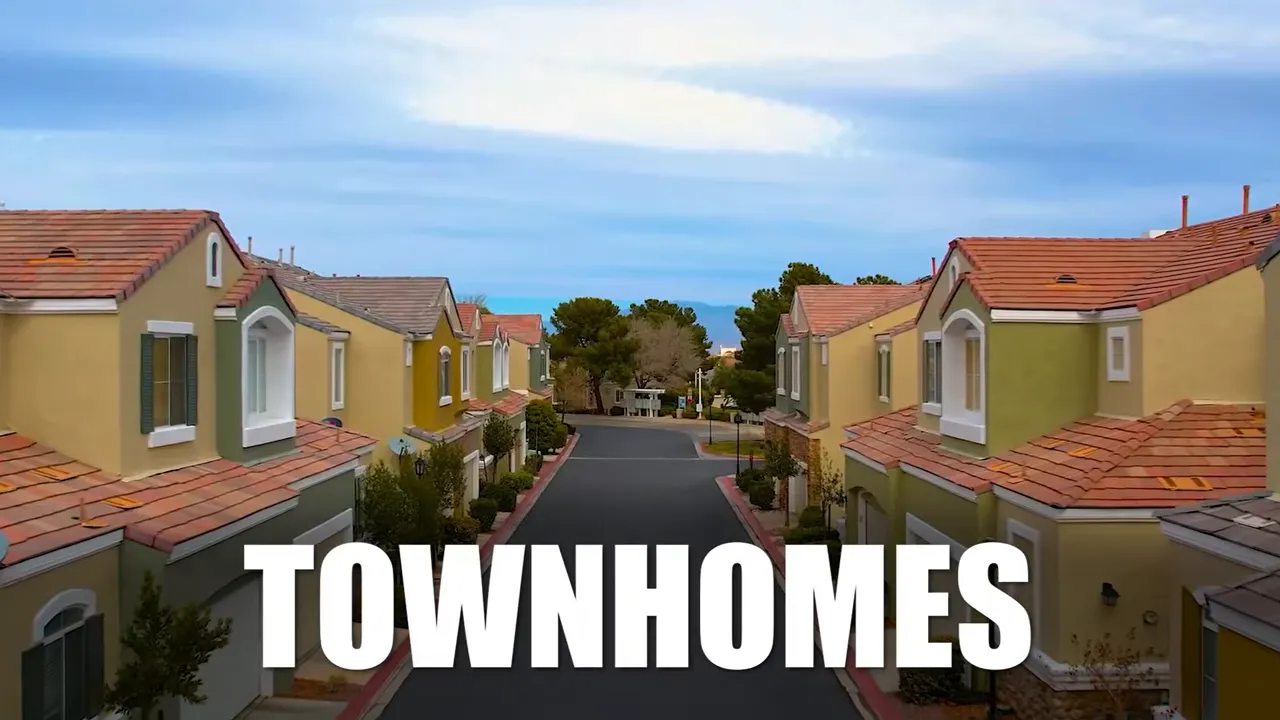
Write down what you want, then next to each item write why you want it. That second part matters more than people think.
Ask yourself:
- How will I use this space?
- Do I need this on day one or is it just nice to have?
- Am I buying for my current life only, or for the next few years too?
- Is there another layout that solves the same problem?
The more honest you are here, the more efficient your search becomes.
📈 If you think you might rent it later, run the math now
A lot of buyers like to say, “This is my starter home and later I’ll turn it into a rental.” That can be a smart long-term play. It can also be a painful mistake if you never do the numbers.
You need to know whether the home would actually work as a rental in that specific area, at your specific payment, with your specific loan.
That means looking at local rent levels and comparing them to:
- Your mortgage payment
- Taxes and insurance
- HOA fees
- Maintenance and vacancy risk
Some buyers assume low down payment financing automatically makes the investment side easy later. Not true. If you buy with little down and at a higher rate, there is a real chance your future rent will not cover your costs.
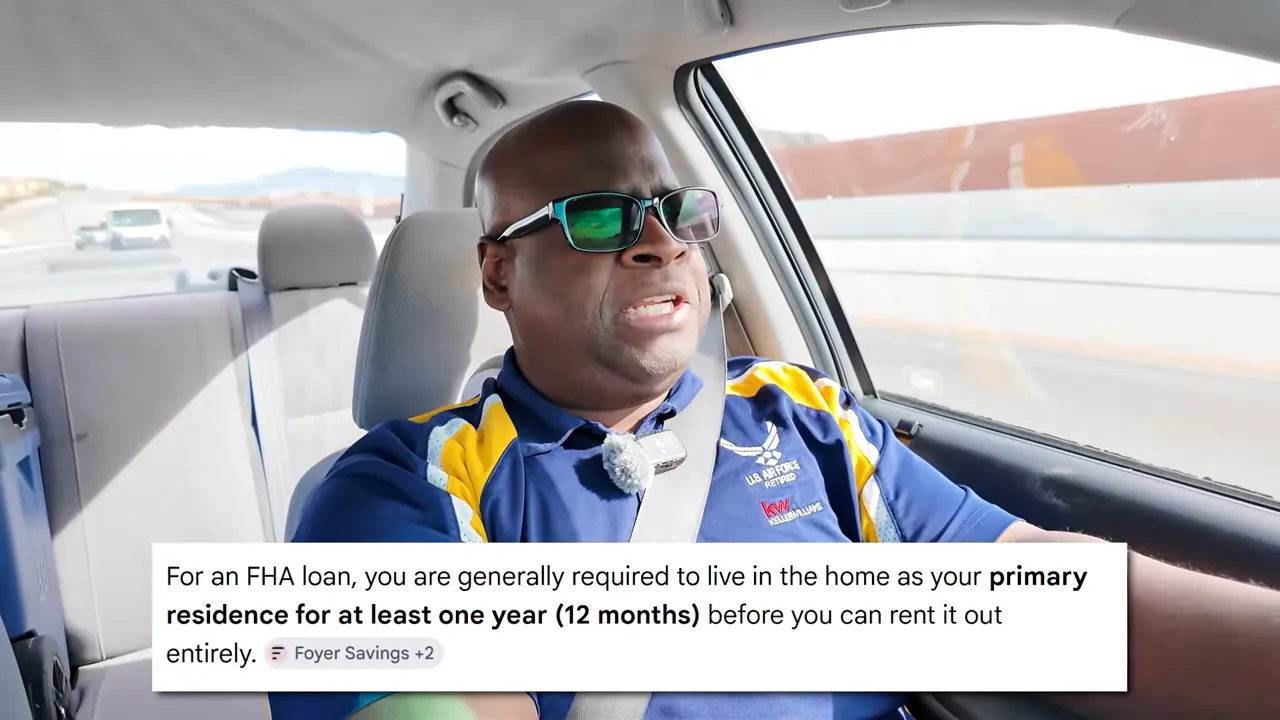
I have seen people end up subsidizing a tenant every month because the payment was too high relative to area rents. That is not passive income. That is you paying for somebody else to live in your house.
If you are using owner-occupant financing like FHA or VA, make sure you understand occupancy rules and lender requirements. The HUD home loan guidance is a useful place to start for FHA basics, and your lender should clarify the details for your exact loan.
Bottom line: if “I’ll rent it later” is part of the plan, make sure it is a plan and not just a phrase.
🗺️ Pick neighborhoods before you pick houses
You are not just buying square footage. You are buying location, stress level, commute, surroundings, and reputation, whether that reputation is deserved or not.
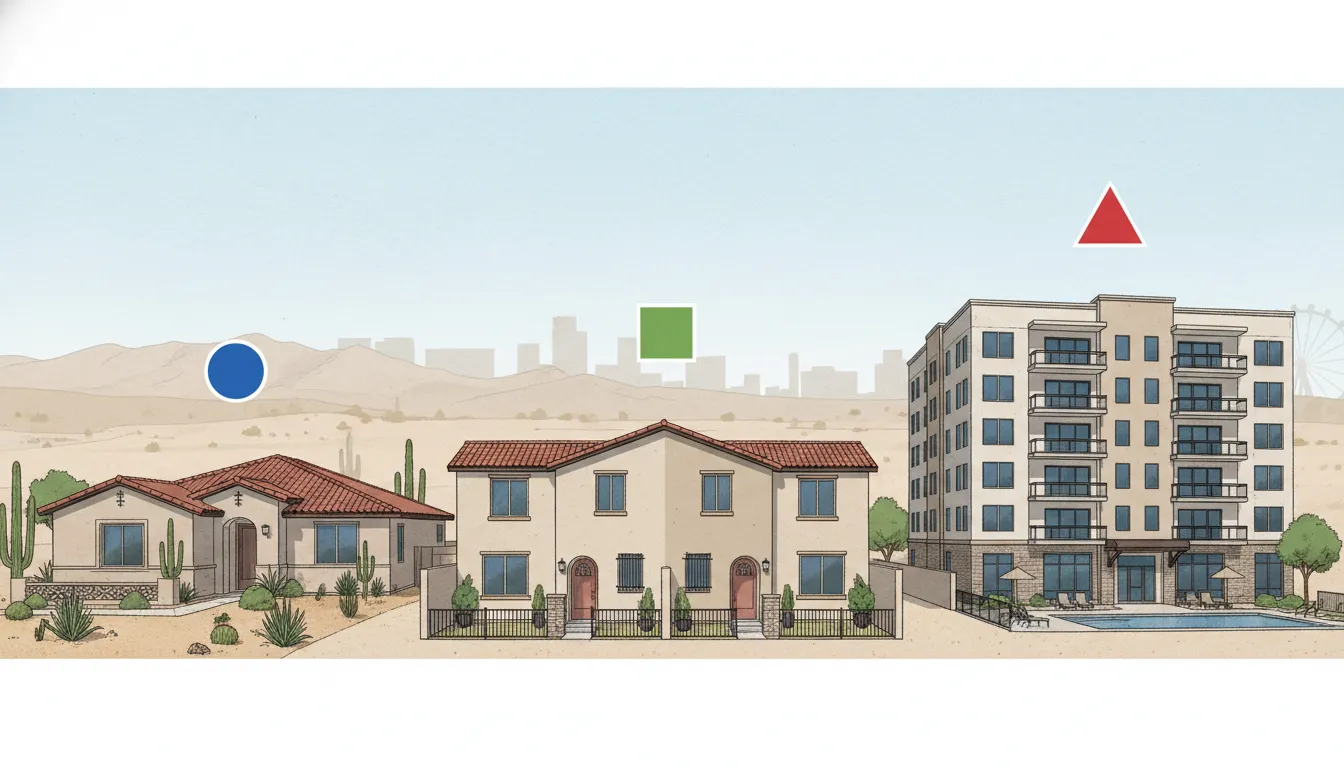
In Las Vegas, this matters a lot because the valley has very different pockets with very different price points, vibes, and buyer assumptions.
Some people come in saying they only want Summerlin. Some rule out North Las Vegas because they heard something years ago. Some say they are open to anywhere, which usually means they have not thought it through yet.
That kind of blanket thinking can cost you good options.
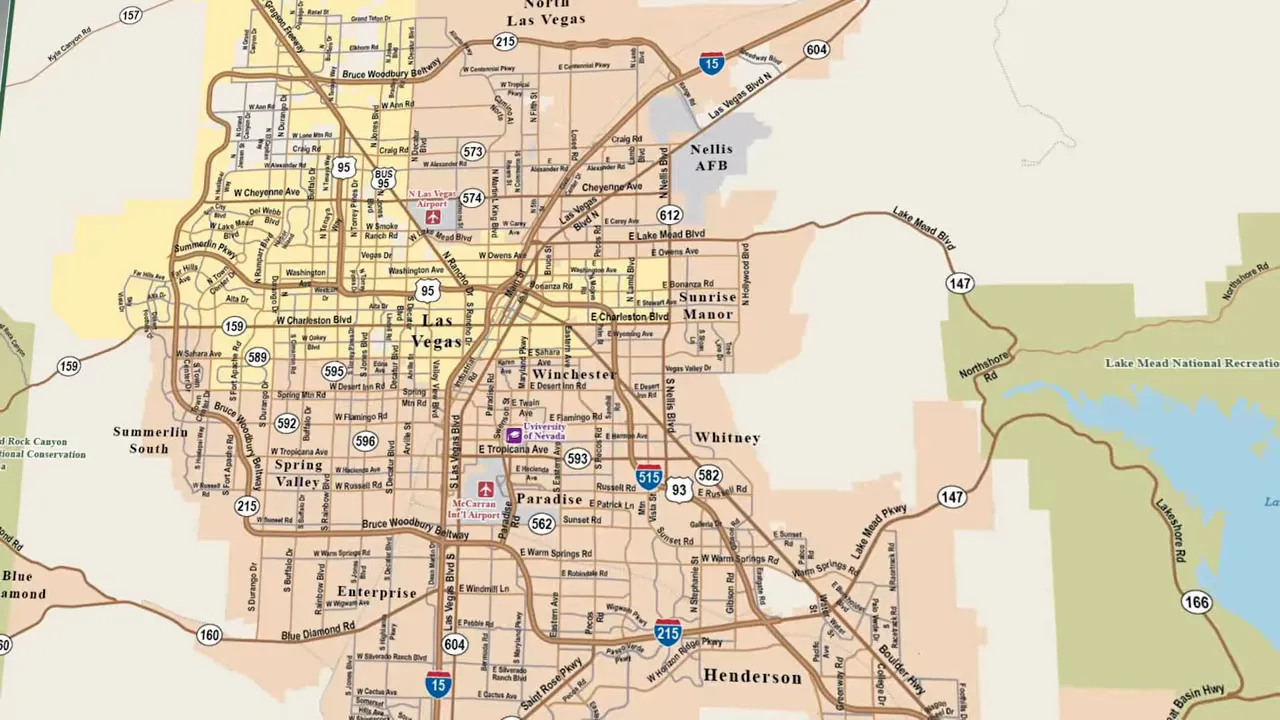
There are nice areas in North Las Vegas. There are pricey areas that may not fit your budget. There are neighborhoods with great value that get overlooked because of outdated stigma. There are also parts of town where the same style of home can cost dramatically more simply because of the zip code attached to it.
Here is the practical point: if your budget is $500,000 and the neighborhood you want mostly has homes near $800,000, you are not really searching. You are torturing yourself.
Instead, figure out:
- Which areas truly fit your budget
- Which areas fit your lifestyle
- Which trade-offs you are willing to make
- Which assumptions need to be tested in person
If you are relocating to Las Vegas, spend serious time learning the map before getting emotionally attached to specific listings.
🚗 Drive the neighborhoods yourself
This might be the most underrated part of the whole home search.
If you are new to town, get in the car and drive. Not once. Really drive around.
Do not just plug an address into your phone, show up for a tour, and leave. That is how people miss the bigger picture.
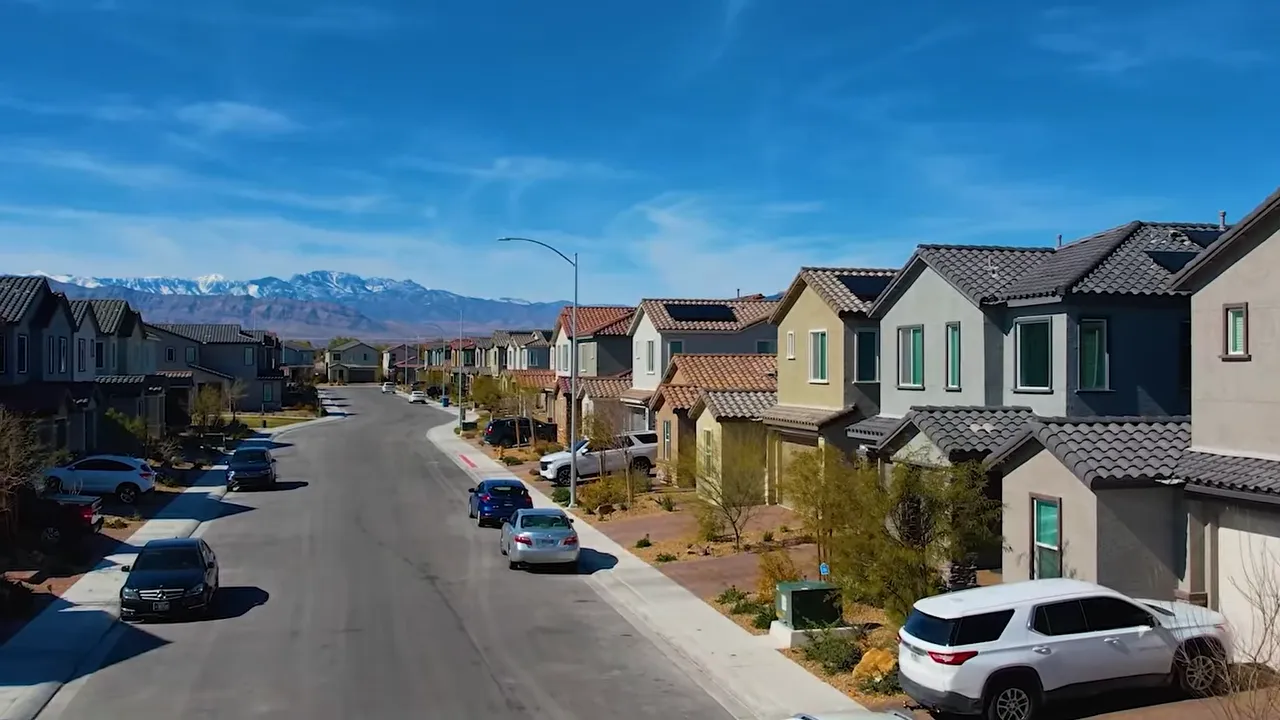
In Las Vegas especially, you can have a beautiful neighborhood near an area that feels very different just a short distance away. If your eyes are locked on directions and listing photos, you may not notice what surrounds the property until much later.
That matters.
You want to know:
- How the drive feels getting there
- What the nearby commercial areas look like
- Whether surrounding neighborhoods match your comfort level
- How traffic, noise, and access feel in real life
I always tell people they should experience both the house and the route to the house. You do not just live inside the walls. You live in the whole pattern of getting in and out of that place.
A polished listing can never fully replace that real-world check.
🧠 Follow the 6-house rule
If you remember one tactical piece of advice from this whole article, make it this:
Do not try to see too many homes in one day.
People always think more is better. It is not.
Once you tour too many homes, they start blending together. Layouts merge in your head. You forget which kitchen belonged to which house. You mix up backyards, bathrooms, and neighborhoods. Then at the end of the day, you have nothing but mental soup.

My rule is six homes max in a day, and honestly five is usually even better.
There is one exception. If several homes are in extremely close proximity, like in the same community or almost side by side, your brain can treat that cluster more like one stop than six separate expeditions across town.
But once you are driving 15 or 20 minutes between homes, changing neighborhoods, and resetting context, that overload builds fast.
Why this matters:
- You make better comparisons
- You remember details more clearly
- You reduce decision fatigue
- You leave room to reflect before rushing into the next stop
I have had buyers insist on seeing everything in one shot, then by the end they cannot remember a single house clearly enough to choose. That is not efficient. That is just exhausting.
🔍 Your first round of tours is for calibration
Most buyers think the first group of showings is about finding the house. Sometimes it is. More often, it is about finding yourself.
The first few homes teach you what your filters mean in real life.
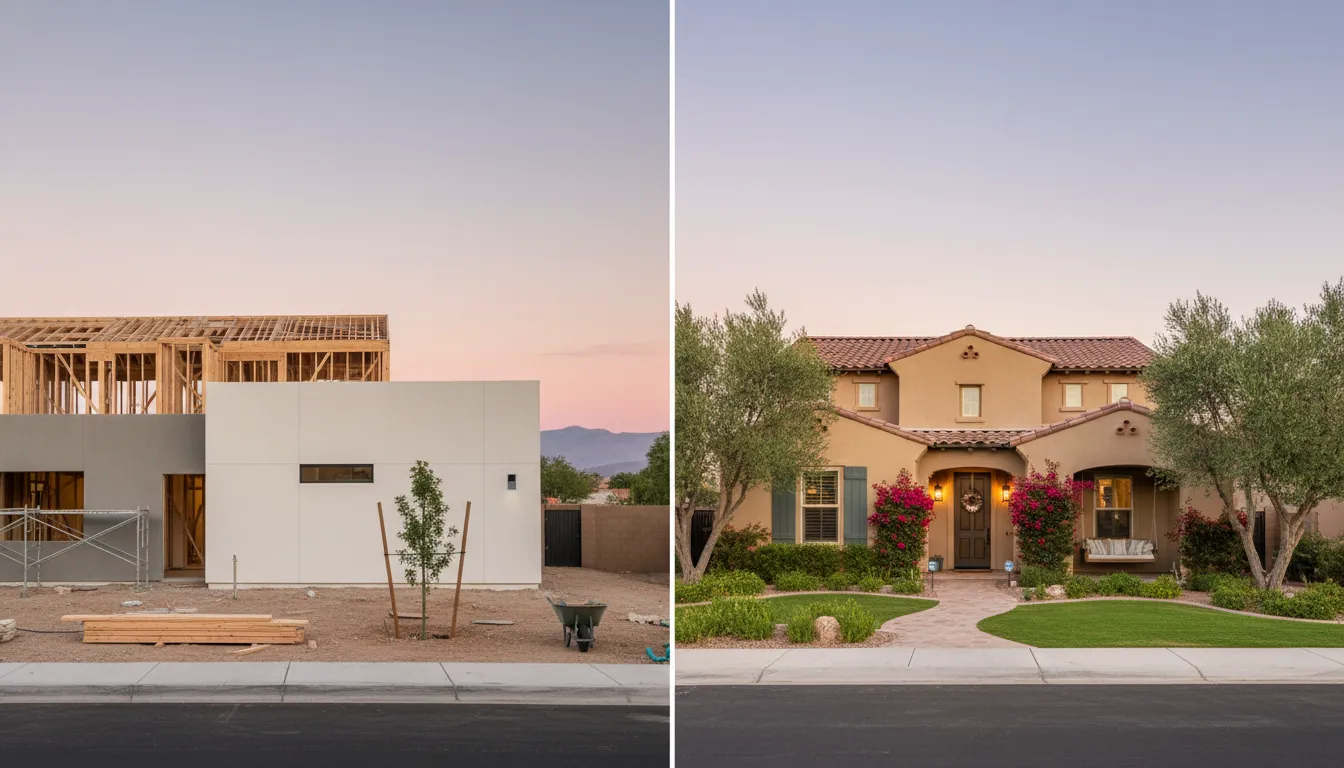
That condo you thought you might like? Maybe now you know you do not want shared walls or that style of entry. That two-story you thought was a dealbreaker? Maybe it actually feels fine. That loft you were ignoring? Maybe it solves your office problem better than a fourth bedroom.
That first batch of tours helps calibrate your standards. By the second round, your search is usually much sharper. By the third, many buyers are ready to write offers because they are no longer guessing.
This is why random marathon touring is a mistake. The process works better when each round teaches you something and tightens your criteria.
🖼️ Listing photos lie more than ever
Online photos have always stretched the truth a little. Better angles, better light, better editing. That is not new.
What is new is how easy it has become to make a house look far better than it really is.
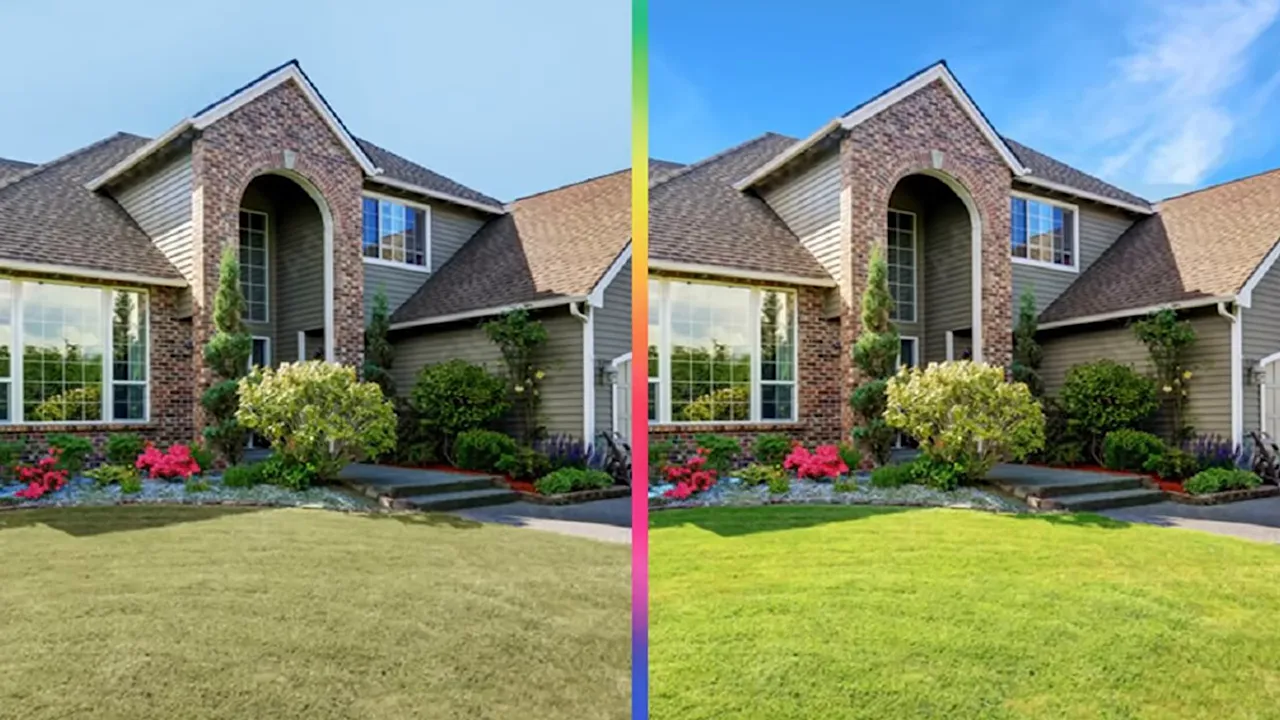
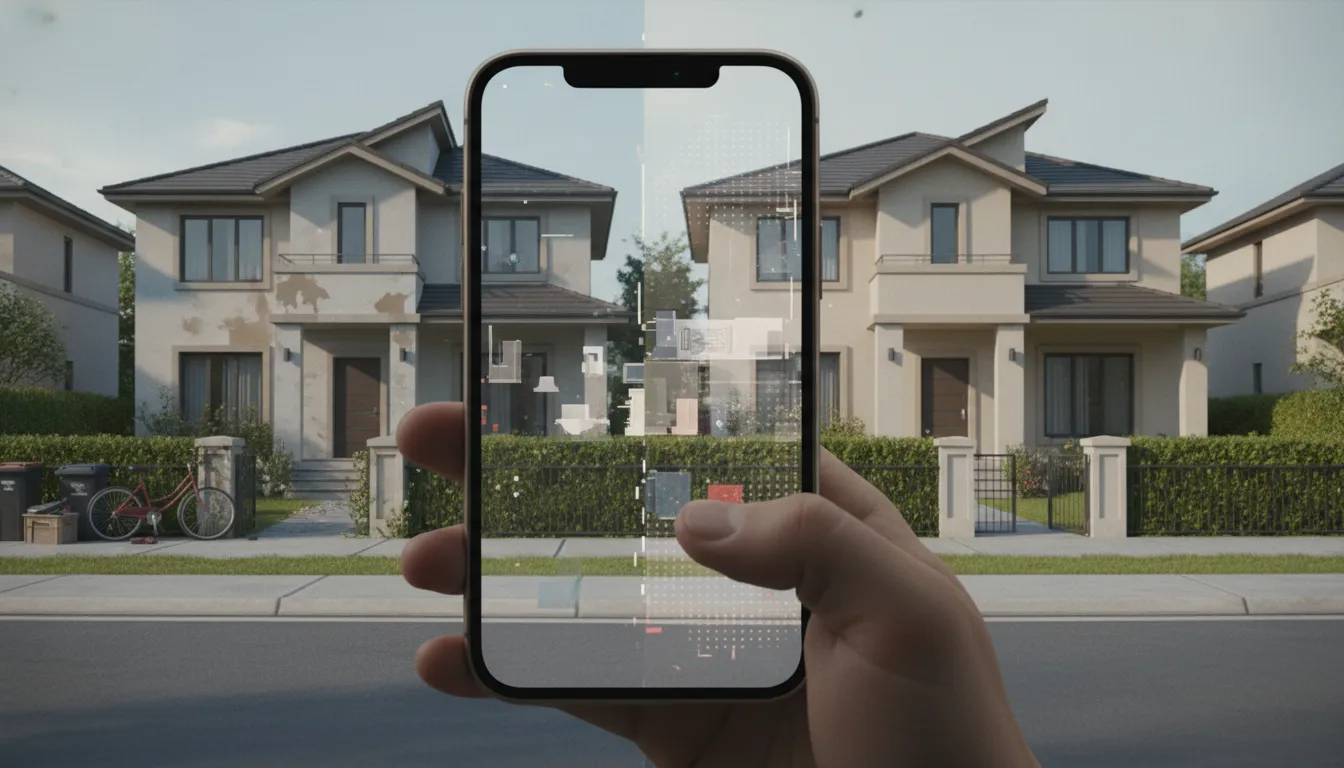
With AI image tools and advanced editing, listings can now look polished to a level that creates a totally different expectation. Grass looks greener. Rooms look brighter. Finishes look cleaner. Entire spaces can feel more luxurious online than they do when you walk through the front door.
That means you need to treat photos as marketing, not truth.
Watch for clues like:
- Rooms that seem larger than they should be
- Lighting that looks unnaturally perfect
- Exterior shots with landscaping that feels too idealized
- Images that smooth over wear, age, or flaws
The National Association of Realtors has resources on real estate practice standards, but the practical reality is simple: the internet listing is an ad. It is designed to attract attention. Your job is to verify what is real.
Once you have toured a few homes, you start spotting the patterns. The photographers’ tricks become easier to recognize. The distance between “looks amazing online” and “feels right in person” becomes a lot clearer.
✅ A better way to search for a home in Las Vegas
If I had to simplify the whole strategy, it would look like this:
- Get pre-approved.
- Figure out the monthly payment you are actually comfortable with.
- Define your home criteria based on how you live, not on vague wish lists.
- Identify neighborhoods that fit your budget and lifestyle.
- Drive those areas in person.
- Use online search tools, but do not let them control the process.
- Tour no more than about six homes at a time.
- Use the first round of tours to refine your criteria.
- Do not trust listing photos blindly.
- By the second or third round, be ready to move with confidence.
That is how you stop acting like a browser and start acting like a buyer.
❓FAQ
Should I use Zillow or my real estate agent’s website to search for homes in Las Vegas?
Either can work. Zillow is familiar and easy to use, while an agent’s website can keep your search more centralized. The key is understanding that many home search websites are designed to capture leads. If you are already working with an agent, send them the listings you care about instead of clicking every contact button you see.
How many homes should I tour in one day?
A good rule is no more than six, and five is often even better. Once you go beyond that, homes start blending together and your ability to compare them drops fast. The exception is when several homes are in the same community and require very little driving between them.
Why is shopping by payment better than shopping by price?
Your pre-approval amount is not the same as your comfort zone. A purchase price does not tell you the full monthly cost once taxes, insurance, HOA fees, and loan terms are included. Starting with a payment target helps you search for homes you can actually live with financially.
What should I think about before choosing a neighborhood in Las Vegas?
Look at budget, commute, surrounding areas, reputation, and how the neighborhood feels in person. Las Vegas has major differences from one part of town to another, and some areas are misunderstood because of old assumptions. Driving around in person can tell you far more than online maps and photos ever will.
Can listing photos be trusted?
They can be useful, but they should never be treated as the final truth. Between editing, staging, camera angles, and AI-enhanced images, homes can look significantly different online than they do in person. Use photos to narrow options, but rely on actual tours and neighborhood visits to make decisions.
What if I want to buy a home now and rent it out later?
Run the numbers before you buy. Check local rent rates and compare them to your total monthly ownership cost. A future rental only makes sense if the math works. Otherwise, you may end up paying out of pocket every month for someone else to live there.
📍Final thought
Buying a home in Las Vegas is not about scrolling harder. It is about searching smarter.
The internet can help you gather options, but it cannot tell you what payment feels safe, what neighborhood fits your life, what route raises your stress, or whether a listing photo is selling fantasy instead of reality.
Real house hunting is part strategy, part self-awareness, and part fieldwork.
Do those three things well, and the whole process gets cleaner. You waste less time. You make fewer emotional mistakes. And when the right house shows up, you recognize it for what it is instead of getting distracted by everything it is not.
Categories
Recent Posts