Everyone Thinks It’s the Heat… They’re Wrong (Vegas Weather Explained)
Everyone Thinks It’s the Heat. They’re Wrong: Las Vegas Weather Explained

Most people planning a move to Las Vegas obsess over one thing: summer heat.
And sure, they are not wrong to pay attention to it. Triple-digit temperatures are a real part of life here. July regularly pushes past 100°F, and 115°F is absolutely possible. But if you ask me what weather issue catches newcomers off guard and ends up costing them money, it usually is not the summer heat.
It is the wind.
Spring wind in Las Vegas is the sneaky expense most people never think about until it has already wrecked a fence panel, tossed patio furniture into the pool, or turned a backyard setup into an insurance conversation.
That does not mean summer is easy. It means desert living is more nuanced than people expect. Weather here affects your housing choices, your car maintenance, your utility bills, your pets, and even the best time to schedule your move.
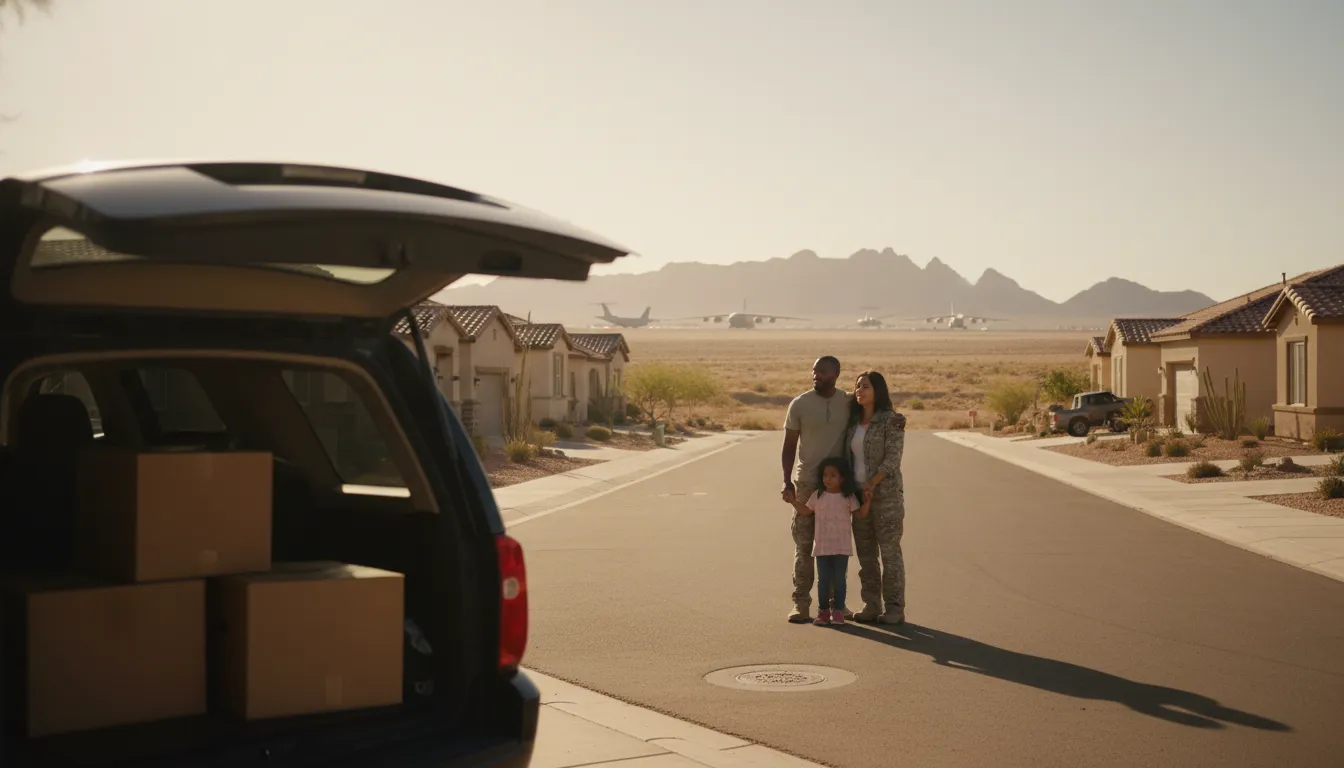
If you are relocating to Las Vegas, especially if you are headed to Nellis Air Force Base or Creech Air Force Base, you need the real version of what living in this climate feels like year-round. Not the postcard version. Not the panic version. The practical version.
☀️ What Las Vegas Weather Is Really Like Year-Round
Las Vegas has a hot desert climate, but it still gives you four distinct seasons.
Summer stretches from June through September. That is the heavy hitter. Fall, winter, and spring are a big part of why so many people love living here. From roughly October through May, the weather is often excellent, with plenty of sunshine and daytime temperatures that are actually comfortable.
One of the biggest advantages of Las Vegas weather is consistency. You get sunshine on most days of the year, which makes outdoor plans easier and daily life feel a little less weather-dependent than in many other parts of the country.
- Summer: Hot, dry, and intense
- Fall: Warm, comfortable, and one of the best times of year
- Winter: Mild days, chilly nights
- Spring: Beautiful temperatures, but often very windy
That last point matters more than people realize.
🔥 Summer Heat in Las Vegas: Yes, It’s Hot
Let’s deal with the obvious part first. Summer in Las Vegas is no joke.
Average highs in July sit around 105°F. Triple digits are common from June through September. Some days spike even higher. If you are coming from a milder climate, the first blast of desert summer can feel like opening an oven door with your whole body.
But there is one thing people say about Vegas heat that is actually true: the dry air changes the experience.
Low humidity makes a real difference. The air does not wrap around you the way it does in places like Florida, Texas, or the Gulf Coast. Shade works here. Step under a patio cover and you genuinely feel relief. That is not imagination. That is the climate.
Another thing that surprises newcomers is how much temperatures can drop after sunset. Even in peak summer, evenings often cool off dramatically compared with the afternoon high. That big day-to-night swing is one reason patio life can still be enjoyable after dark.
So yes, Las Vegas is hot. Very hot. But it is not the same kind of hot you get in humid climates, and that distinction matters for daily life.
💧 The Real Summer Danger: Dehydration, Not Discomfort
If I had to pick the biggest safety issue tied to Las Vegas summer, it would be dehydration.
Because the air is so dry, sweat evaporates fast. You can be losing water without feeling drenched or even realizing how much your body is giving up. That catches people off guard all the time.
If you are new here, build hydration into your routine on purpose. Do not wait until you feel thirsty.
- Keep water in the car
- Carry water during errands and outdoor activities
- Pay extra attention to kids
- Pay extra attention to pets
- Be cautious during moves, yard work, and long commutes
This is especially important for military families settling in and juggling base in-processing, house hunting, school enrollment, and all the chaos that comes with a PCS. It is easy to get busy and forget the basics.
🐾 What the Heat Does to Pets and Pavement
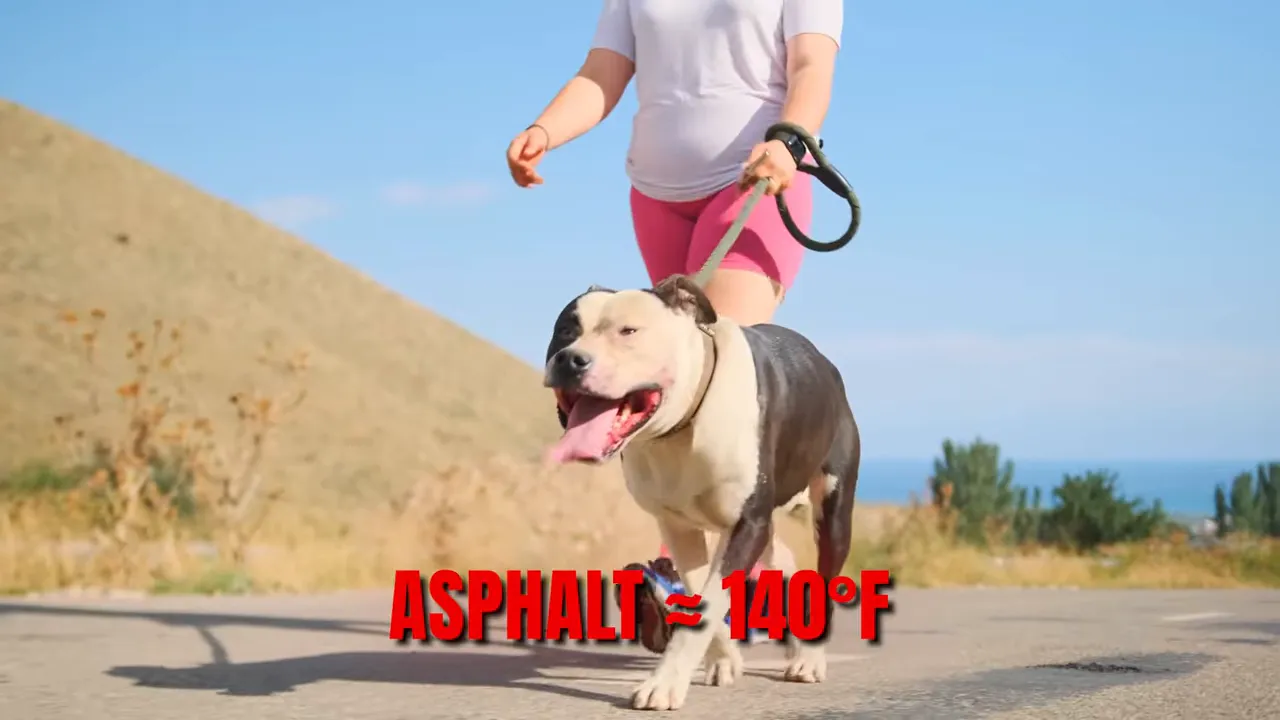
One of the most overlooked summer hazards in Las Vegas is the ground itself.
When the air temperature is around 100°F, asphalt can get dramatically hotter. That means paws are at risk long before many people think they are. If you would not press the back of your hand on the pavement for several seconds, it is too hot for a dog walk.
That usually means walks need to happen early in the morning or later in the evening during the hottest months.
Backyards matter here too. Artificial turf, pavers, concrete, and pool decks all heat up differently. If you have pets or small kids, that is not a cosmetic consideration. It is a livability issue.
🌵 Dry Air, Allergies, and What Your Body Needs to Adjust
A lot of people assume the desert must be terrible for allergies. In practice, Las Vegas is often easier on allergy sufferers than many greener, wetter parts of the country.
You are not dealing with the same level of mold and heavy pollen that many other regions battle. For plenty of people, that is a relief.
The trade-off is dryness.
Summer humidity can drop into the 10 to 20 percent range. That can lead to:
- Dry skin
- Dry nasal passages
- Static electricity
- Chapped lips
- General irritation while your body adjusts
The fix is not complicated, but you do need to prepare for it. A bedroom humidifier helps. Good lotion helps. Saline spray helps. Most people adjust after a few months, but the first stretch can be rough if you are not ready for how dry the air feels.
If you want a broader climate overview, the National Weather Service Las Vegas office is a solid source for local conditions and seasonal alerts.
❄️ Winter in Las Vegas Is Mild, Not Tropical
Las Vegas winters are easy compared with most of the country, but they are not beach weather.
Daytime highs in December and January are usually around 60°F. Nights can dip into the 30s. Snow on the valley floor is uncommon and usually short-lived, but colder mornings are absolutely part of winter life here.
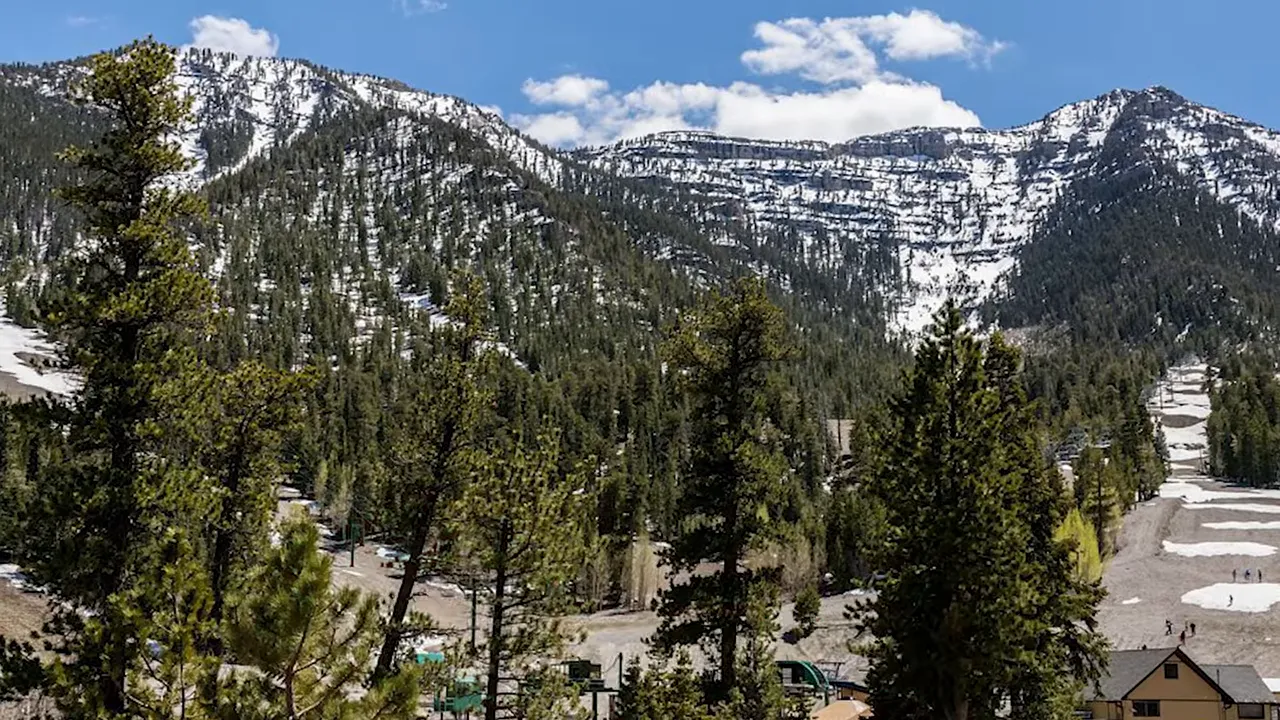
This is one of the nice things about the area. If you want snow, you can get it without moving. Mount Charleston is less than an hour away for much of the valley, and the elevation there completely changes the experience. Hiking, snow play, and even winter sports are all accessible nearby.
💨 The Weather Mistake That Costs Newcomers Money: Spring Wind
Here is the part people underestimate.
Spring in Las Vegas is gorgeous, but it is also wind season. March through May can bring sustained winds in the 20 to 30 mph range, with much stronger gusts rolling through the valley. Those gusts are strong enough to cause real property damage.
This is where desert reality starts affecting home choices.
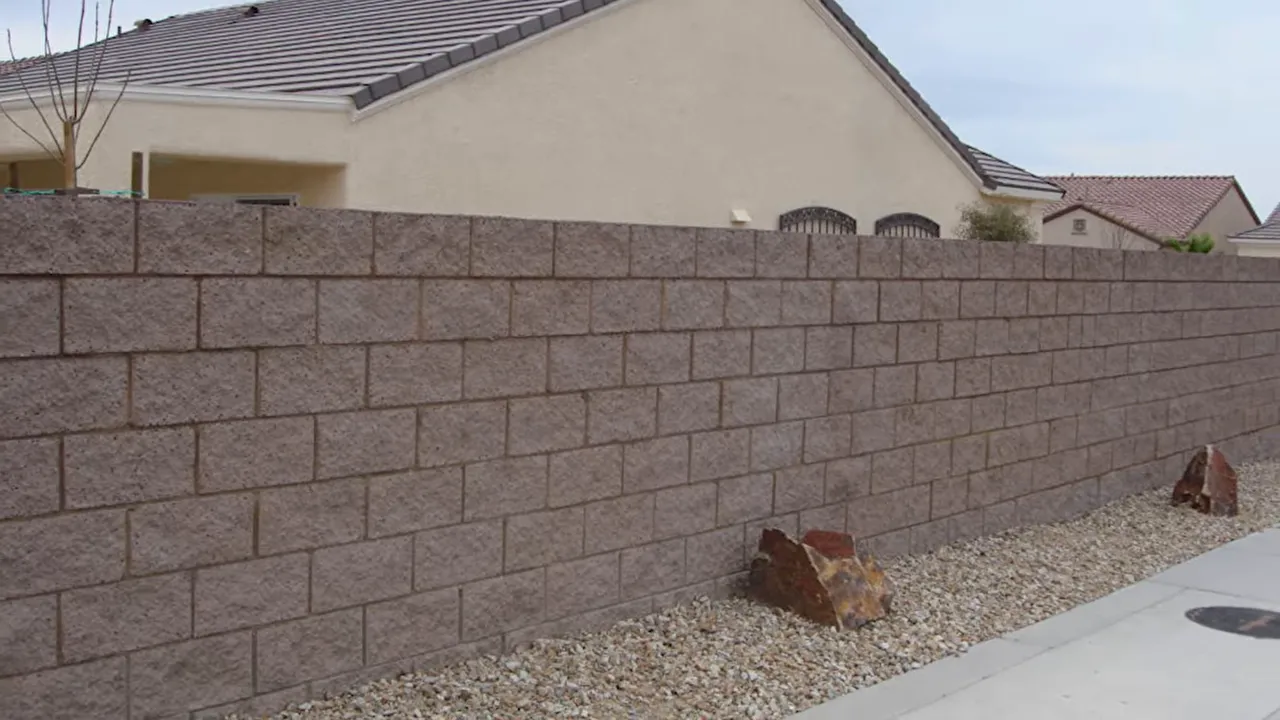
There is a reason block walls are common in Las Vegas neighborhoods. They hold up better. Wooden fencing may look fine on a calm day, but spring wind can tear through it in a hurry. Patio furniture, umbrellas, decorations, and anything unsecured in the yard can become a projectile.
If you are buying a home, pay attention to:
- Fence material
- Backyard exposure
- How protected the lot is from open wind corridors
- Condition of patio covers and outdoor fixtures
Those are not little details. They affect maintenance, replacement costs, and how usable your backyard really is.
🌪️ Dust Storms and Haboobs Are Real
Yes, Las Vegas gets dust storms.
And when a serious one rolls in, it gets your attention fast.
A haboob is basically a giant wall of dust pushing across the valley, sometimes reducing visibility to near zero. It is dramatic, messy, and potentially dangerous. It also gets dust into everything.
When one hits, the smart move is simple:
- Go indoors
- Close windows and doors
- Wait it out
- Avoid driving if visibility is collapsing
If you are on the road, treat it seriously. Reduced visibility and blowing debris can turn into a bad situation very quickly.
⛈️ Monsoon Season and Flash Flooding
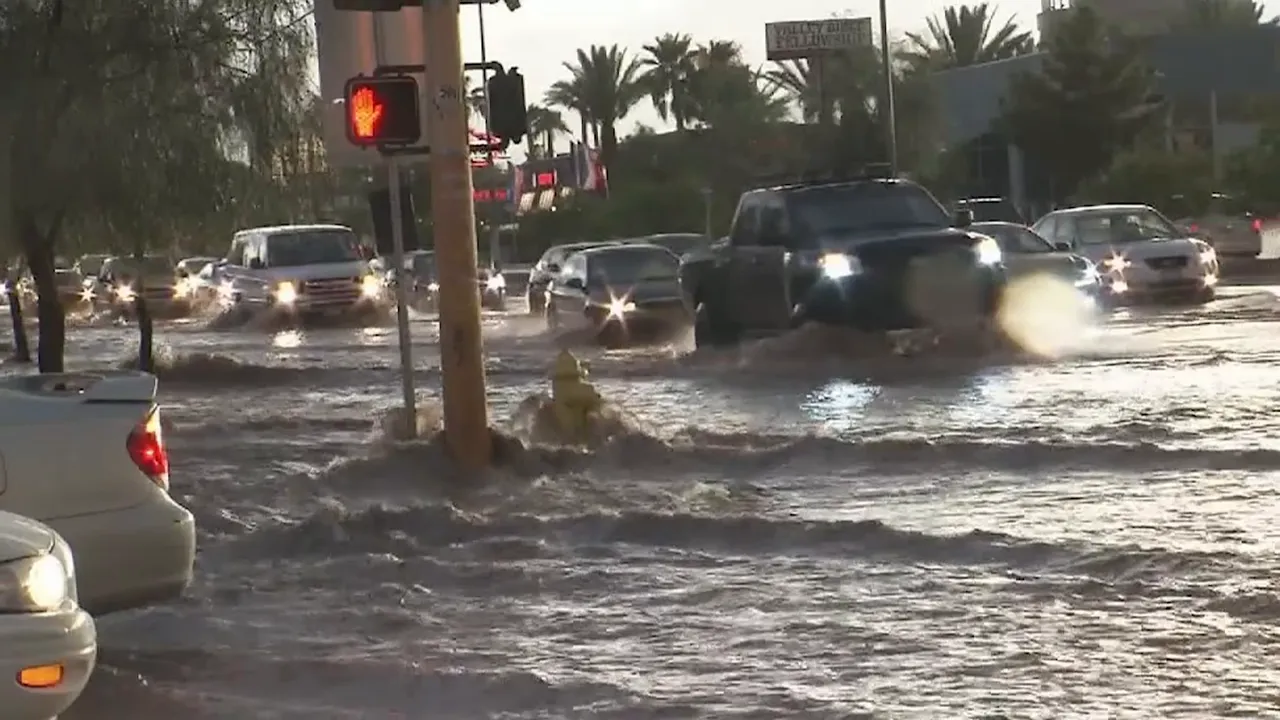
Late July and August bring another shift in Las Vegas weather. Moisture moves up from the south and creates monsoon conditions, which means sudden thunderstorms, bursts of rain, and flash flooding.
This catches people by surprise because they assume the desert just absorbs whatever rain it gets. It does not work that way. The ground is hard and baked. Heavy rain can run off fast instead of soaking in.
That means streets can flood in a matter of minutes.
Never drive through standing water or a flooded intersection. It does not take much moving water to create a dangerous situation, and vehicles can get stranded fast. The Ready.gov flood safety guide is worth bookmarking if you are new to flash flood country.
🏠 Weather Should Influence Where You Live
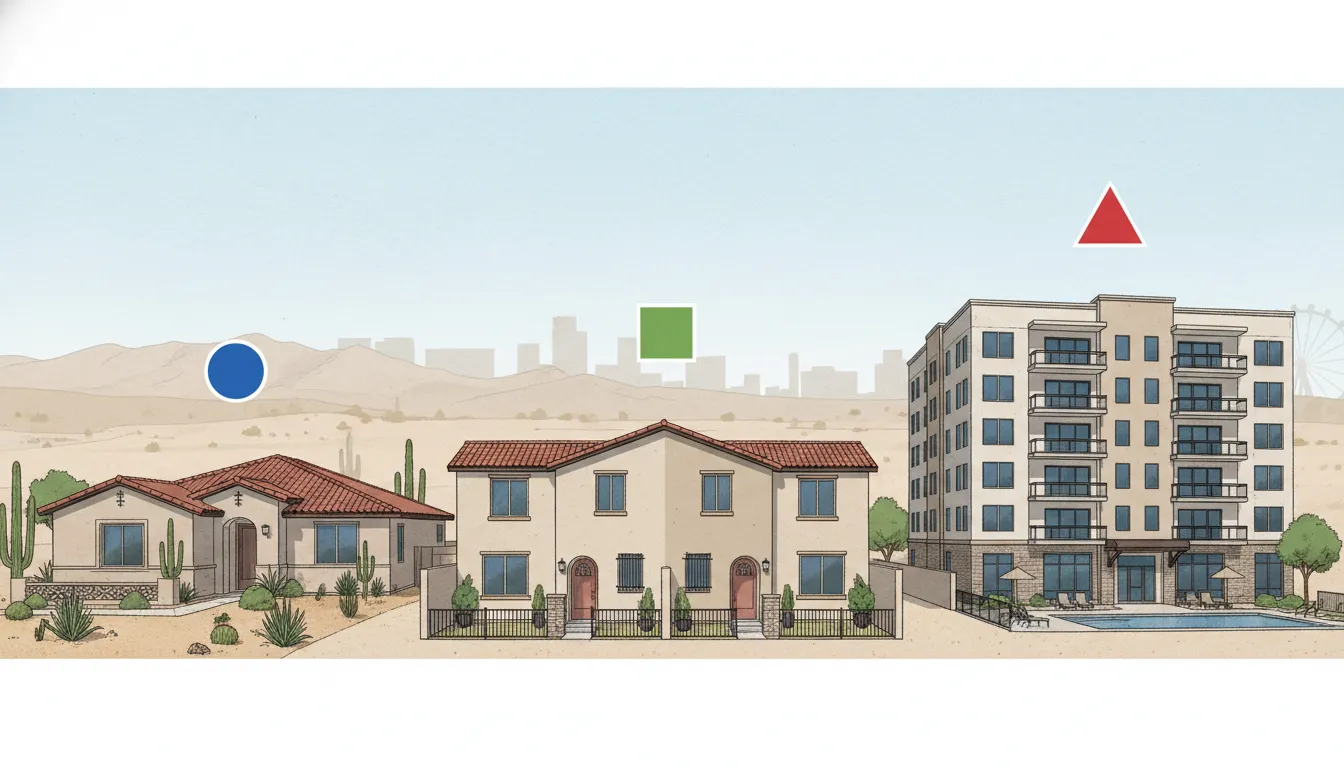
This is one of the biggest relocation mistakes I see. People choose a home based on floor plan, finishes, or commute alone, and they ignore how the lot sits in the sun and wind.
In Las Vegas, orientation matters.
A west-facing backyard takes a beating in the afternoon. That is when the sun is punishing, patio use drops off, and your air conditioner has to work harder. Over time, that means higher utility costs and less enjoyment of your outdoor space.
East-facing and north-facing backyards tend to be much friendlier here. They usually offer more usable outdoor time and can help reduce the overall strain on your cooling system.
If you are house hunting, do not just ask:
- How many bedrooms does it have?
- How updated is the kitchen?
- How close is it to work?
Also ask:
- Which way does the backyard face?
- How old is the HVAC system?
- What material are the fences made of?
- How much afternoon sun hits the rear of the home?
- How exposed is the lot during spring wind events?
Those answers can change the true cost of living in the house.
🚗 What Desert Heat Does to Your Vehicle
Las Vegas weather does not just affect homes. It is hard on cars too.
The desert is brutal on batteries. A lot of people moving here are shocked by how often they need replacement compared with cooler climates. Two years is a reasonable expectation for many batteries in this environment.
Heat also stresses:
- Cooling systems
- Tires
- Belts and hoses
If you are commuting long distances, especially toward Creech, this matters even more. A breakdown in summer heat is not just inconvenient. It can become a safety issue.
Before settling into regular desert driving, make sure your vehicle is ready. The NHTSA summer driving tips page is a useful reference for heat-related car prep.

🪖 Nellis vs. Creech: Weather Differences Military Families Should Know
If you are military and headed to the Las Vegas area, the weather conversation changes a little depending on your base.
Nellis Air Force Base
Nellis sits in North Las Vegas, near the mountains. You are dealing with the same broad desert heat as the rest of the valley, but local wind patterns can feel a little stronger near the terrain. Housing closer to base may be convenient, but older homes can come with less efficient insulation, older windows, and higher utility bills.
Creech Air Force Base
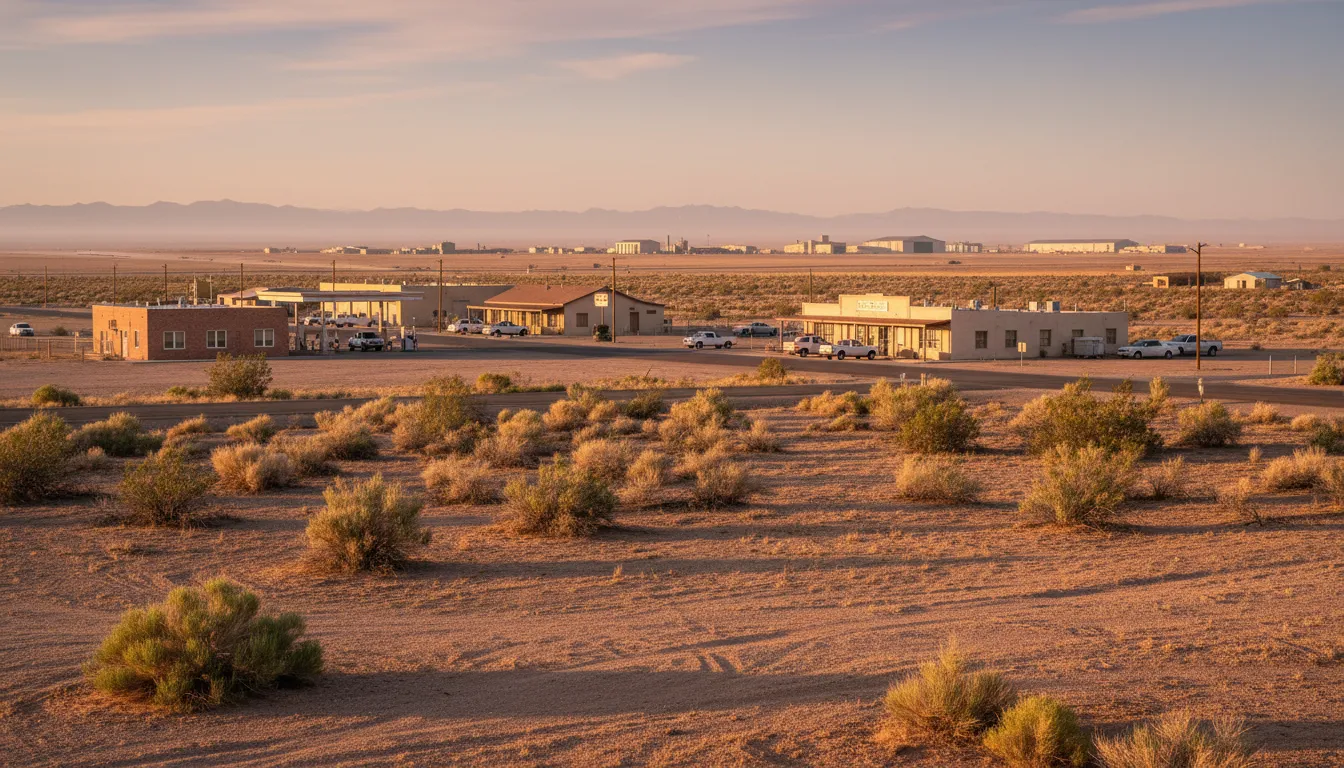
Creech is out in Indian Springs, northwest of the city at a slightly higher elevation. It can run a bit cooler than the valley, but it is also more exposed. Wind is a serious factor out there, and the commute puts more strain on your car.
If you are choosing between living close to work or deeper in the Las Vegas metro, weather and commute costs need to be part of the discussion. Not just housing cost. Not just BAH. The whole picture.
💸 Summer Electric Bills Are a Bigger Deal Than People Expect
This is where a lot of relocation budgets get sloppy.
Your summer electric bill in Las Vegas can be substantial. In 2026, budgeting somewhere around $250 to $470 per month during peak AC season is a realistic range, depending on the home.
That is not a fringe-case number. That is a planning number.
If you are military, your housing allowance may handle rent or mortgage, but it does not magically wipe out a high summer power bill. If you are civilian, the same rule applies. The monthly ownership or lease payment is only part of your real housing cost.
Factors that can push utility bills higher include:
- West-facing exposure
- Older windows
- Poor insulation
- Aging HVAC systems
- Larger square footage
- Older housing stock near some base-adjacent areas
If you want local utility context, NV Energy is the place to check rates, programs, and seasonal information.
📦 The Best Time to Move to Las Vegas
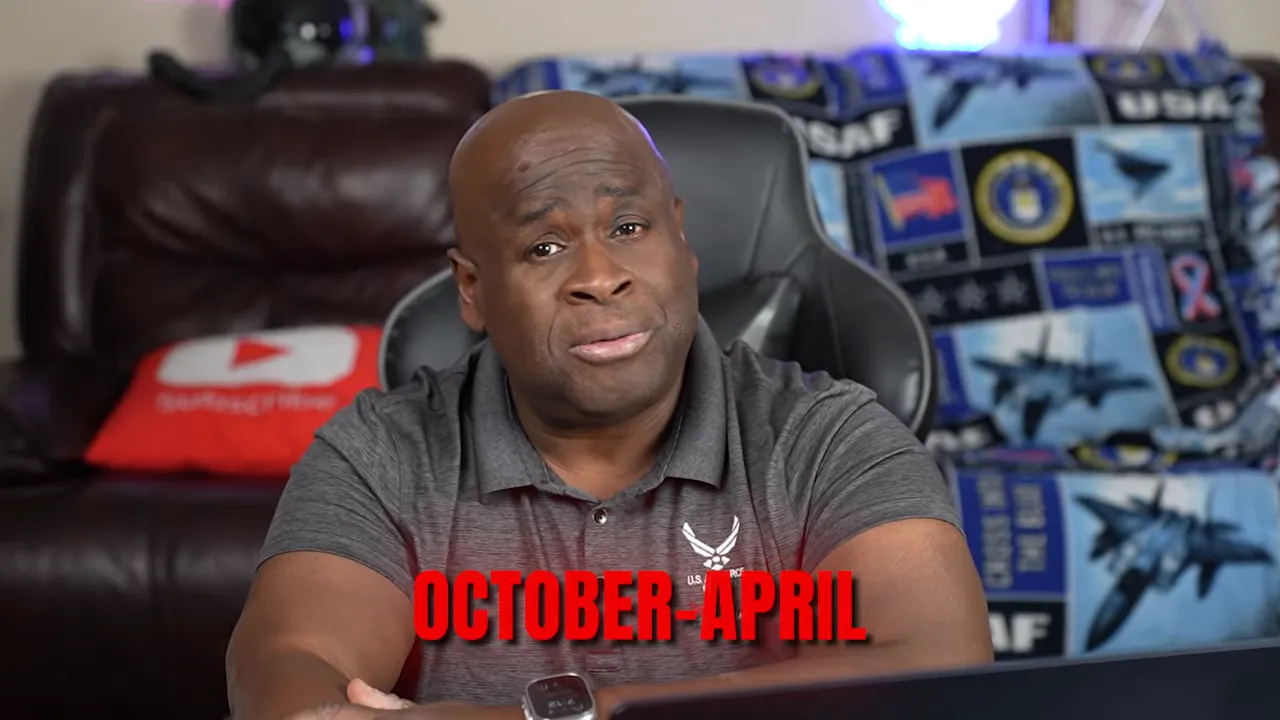
If you have any flexibility at all, the sweet spot for moving to Las Vegas is October through April.
That window helps you avoid the worst of the summer heat and lets you settle in when the city is at its most comfortable. It is easier to tour neighborhoods, easier to manage a moving truck, easier to walk properties, and easier to get a feel for outdoor living.
Summer moves can absolutely be done. People do them all the time. But they require more planning, more hydration, more awareness, and more tolerance for discomfort.
If you can choose, choose the cooler months.
✅ Is Las Vegas a Good Place to Live?
Yes, I think it is.
Especially for military families, Las Vegas can be a strong fit. There is a solid community here, a lot to do, and weather that is genuinely appealing for much of the year. The key is not fearing the desert. It is respecting it.
People run into trouble when they underestimate how weather affects the practical side of life.
Respect the heat. Respect the wind. Respect flash flooding. Think about sun exposure before signing on a house. Budget for utilities before assuming your monthly payment tells the full story. Keep your vehicle ready. Protect your pets. Hydrate like it matters, because it does.
When people do that, Las Vegas becomes a much easier place to enjoy.
❓Frequently Asked Questions
What is the biggest weather mistake people make when moving to Las Vegas?
Most people focus only on summer heat and overlook spring wind. Strong gusts can damage wooden fences, move patio furniture, and affect how usable a backyard really is.
How hot does Las Vegas get in summer?
Average July highs are around 105°F, and temperatures can reach 115°F during extreme heat events. Triple-digit days are common from June through September.
Is Las Vegas heat easier to handle because it is dry?
In many ways, yes. Low humidity means shade works better and the air does not feel as sticky as humid climates. But the trade-off is faster dehydration, so you still need to take the heat seriously.
Does Las Vegas get dust storms?
Yes. Dust storms, including haboobs, can reduce visibility quickly and coat everything in fine desert dust. Going indoors and waiting them out is usually the safest move.
Does Las Vegas have a monsoon season?
Yes. Late July and August can bring sudden thunderstorms, higher humidity, and flash flooding. Flooded roads should always be avoided.
How much can summer electric bills cost in Las Vegas?
A realistic summer range is about $250 to $470 per month, depending on the home, its orientation, insulation, HVAC efficiency, and how much the AC runs.
What backyard orientation is best in Las Vegas?
East-facing and north-facing backyards are generally more comfortable and energy-efficient than west-facing ones, which take the harshest afternoon sun.
How often do car batteries need replacement in Las Vegas?
Desert heat is hard on batteries, and many drivers should plan on replacing them about every two years.
When is the best time to move to Las Vegas?
October through April is usually the best window. The weather is much easier for moving, house hunting, and getting settled.
Las Vegas weather is not just a background detail. It is part of the cost of living, part of the home-buying equation, and part of daily life. Understand that upfront, and you can avoid a lot of preventable mistakes.
Categories
Recent Posts