Zillow Is LYING to You?! How AI Is Tricking Home Buyers in 2026 (Homebuying Process Part 7)

Zillow Is Lying to You? How AI Is Tricking Home Buyers in 2026

House hunting used to be simple enough. You saw a listing, looked through the photos, drove over, and figured out pretty quickly whether it was worth your time.
That is not the world we live in anymore.
Between AI-enhanced listing photos, virtual staging, aggressive editing, flattering camera angles, and search platforms that can make an average house look like a dream home, a whole lot of buyers are getting fooled before they ever set foot on the property. And when you are trying to buy a home in a real market with real money, getting fooled costs more than just a little disappointment. It costs time, energy, negotiating power, and sometimes thousands of dollars.
I want to help you avoid that.
If you are buying in Las Vegas or anywhere else, the job is not just finding homes you like. The job is filtering out the nonsense fast enough that you can focus on the homes that actually fit your budget, your lifestyle, and the current market.
🏠 The biggest mistake buyers make online
The first trap is assuming the photos are telling the truth.
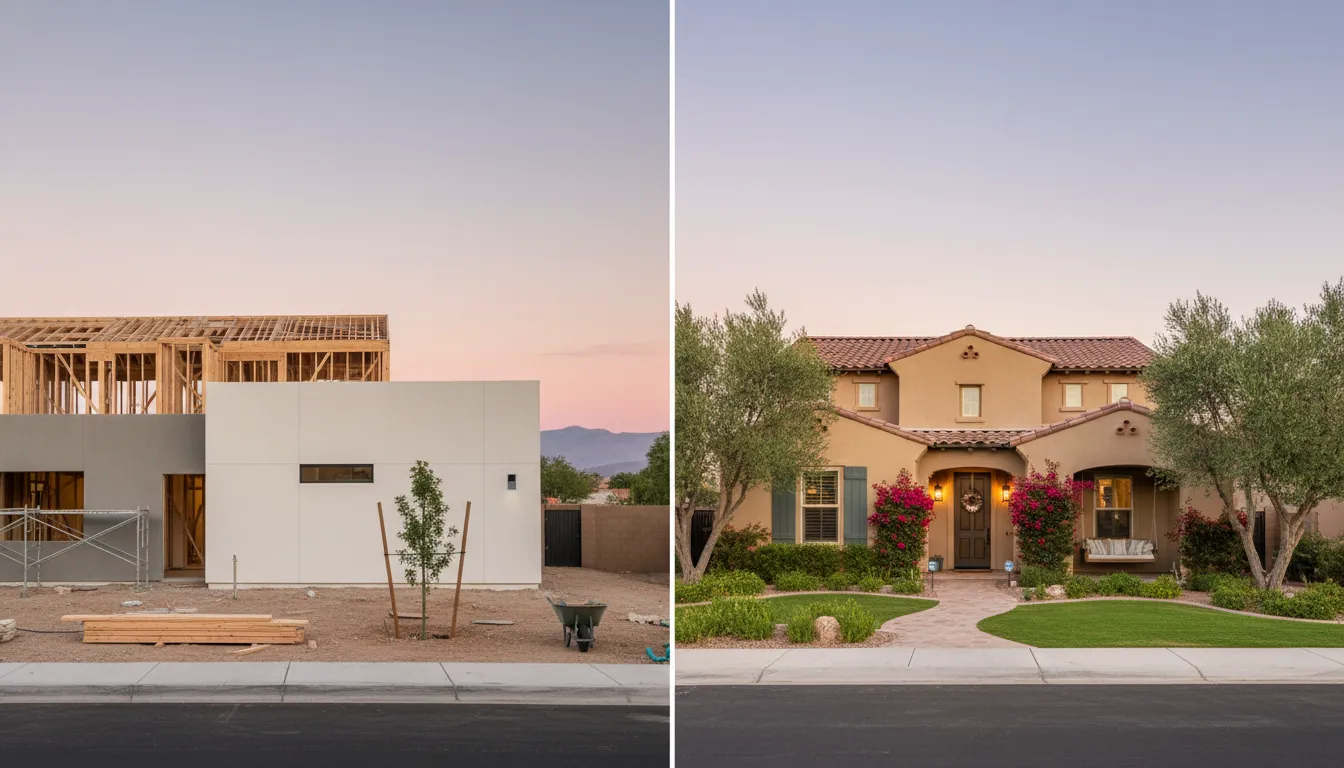
I am not saying every listing is dishonest. I am saying you should stop treating listing photos like evidence. They are marketing. That is a big difference.
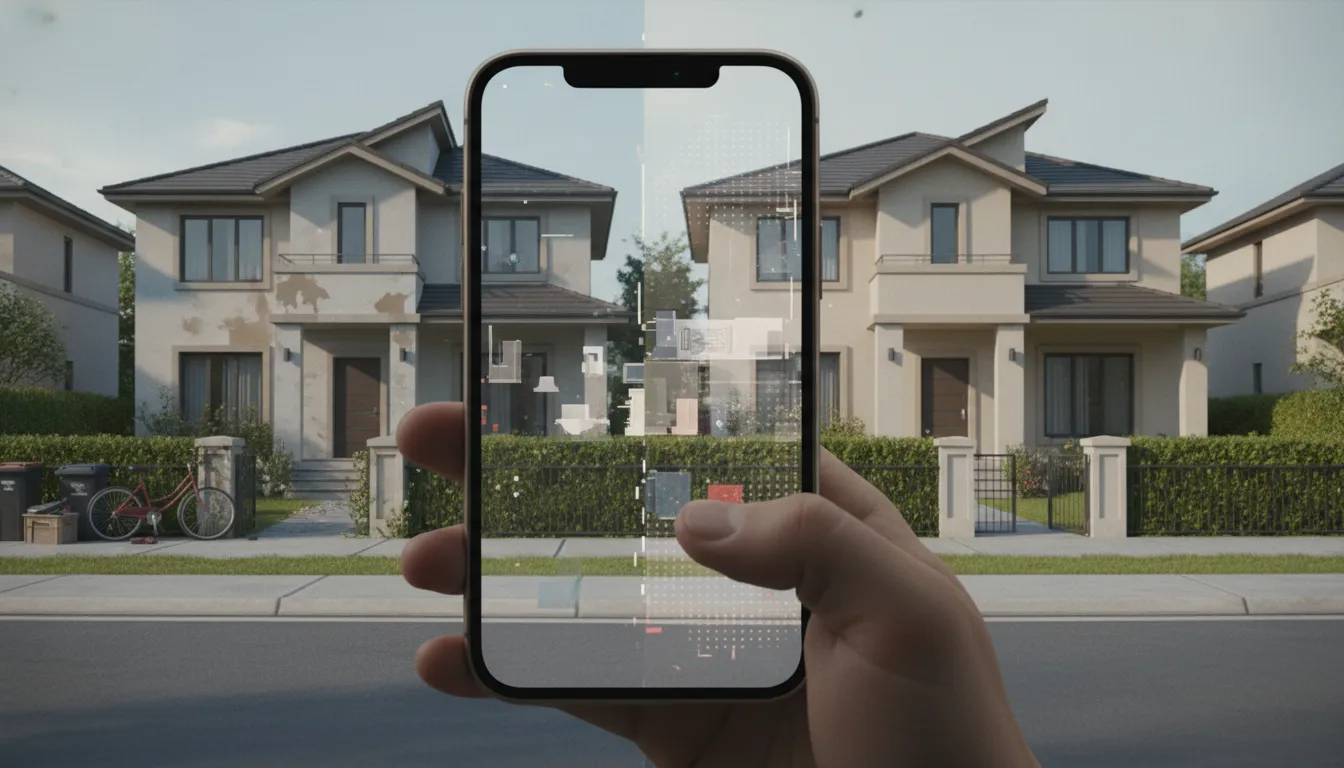
For years, agents and sellers have cleaned things up in photos. Better lighting, better angles, tidying the place, maybe removing visual clutter. That part is not new. What is new is how far technology can now push an image. AI tools can brighten, replace, reshape, smooth, furnish, and enhance a property until it looks far better than it does in person.
So if you are staring at a house priced like a modest starter home, but it looks like a luxury magazine spread, stop right there and ask yourself one question: does this make sense?
A $400,000 house should not be presenting like a million-dollar estate unless something unusual is going on. Sometimes that “unusual” thing is a genuinely underpriced listing. More often, it is editing doing a whole lot of heavy lifting.
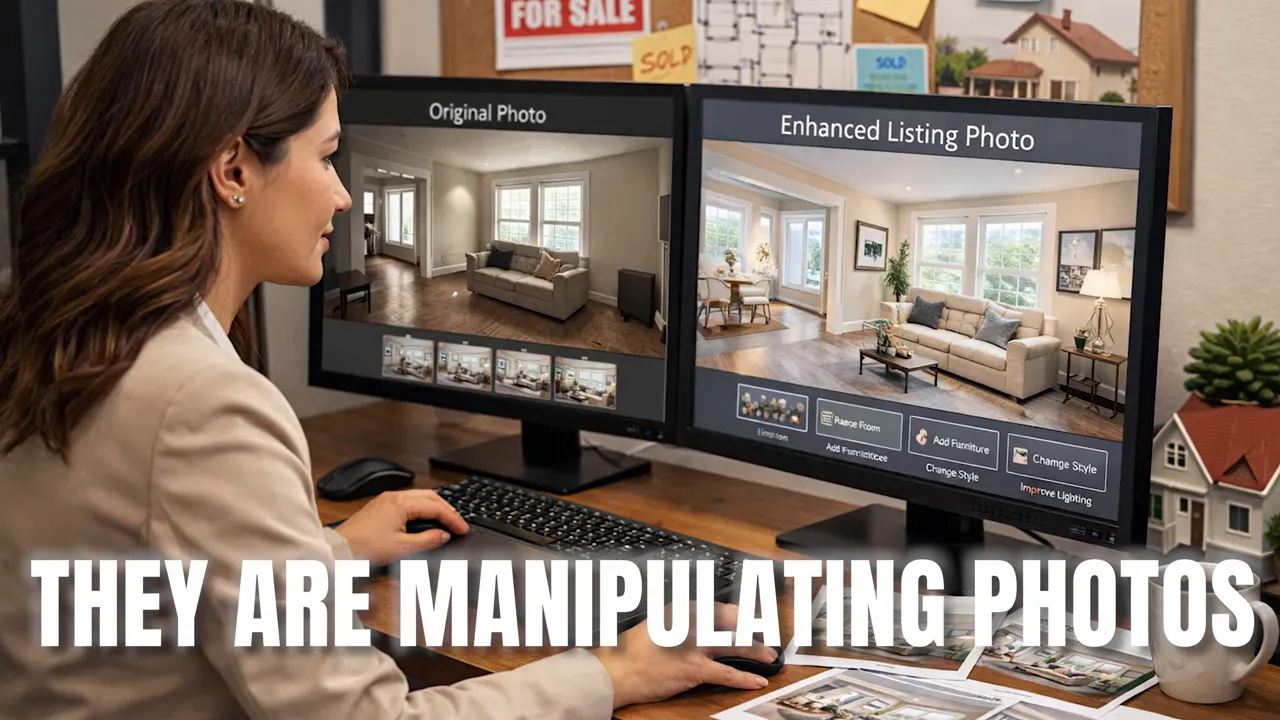
📸 How to spot over-edited or misleading listings
You do not need special software or a photography background to catch this stuff. You just need to slow down and look critically.
Here are a few things I pay attention to:
- Perfect-looking rooms in an imperfect price range. If the finish quality in the photos looks way above the asking price, something may be off.
- Virtual staging. In many MLS systems, virtual staging has to be disclosed. But that does not cover every other kind of visual enhancement.
- Missing trouble spots. If there are no photos of flooring, baseboards, backyard corners, or older bathrooms, there is usually a reason.
- Wide-angle distortion. Rooms can look much larger than they really are when photographed from the right corner with the right lens.
- Too much cleanup. That backyard may look neat online, but in person it could be a mess. Cosmetic reality matters because it affects how a house feels and what work you are walking into.
I have seen homes where the photos were polished to perfection, then you arrive and find worn carpet, deferred maintenance, or an exterior that tells a much rougher story. Even something as basic as an untidy backyard can totally change your impression of the place.
That does not mean you reject every imperfect house. It means you stop falling in love with pixels.
🗺️ Use Google Maps before you ever schedule a showing
One of the easiest ways to save time is to investigate the property before you ask to see it.
Most buyers are still using home search sites as if those sites are the whole picture. They are not. One quick trip over to Google Maps or Google Earth can tell you things the listing never will.
I am talking about practical stuff:
- What does parking actually look like?
- Are cars jammed up and down the street?
- Is the home backing to something noisy or undesirable?
- What do the neighboring homes look like?
- What is one block over like? Two blocks over?
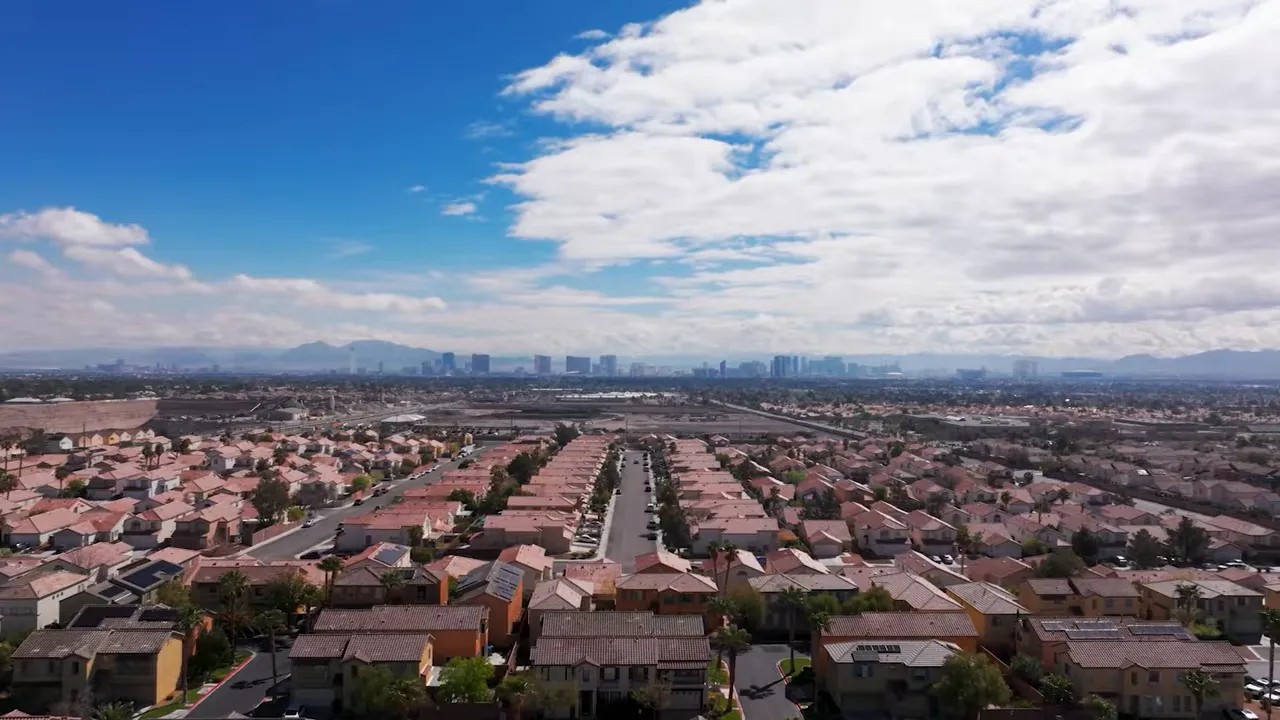
That last one matters more than a lot of people realize. A house can sit on a decent-looking street and still be too close to a rough patch, heavy traffic, neglected properties, or commercial spillover. You need to study the area around the house, not just the house itself.
Street View helps too. Check when the image was taken. If the listing exterior looks pristine but Street View shows a totally different reality, now you know you need to investigate further.
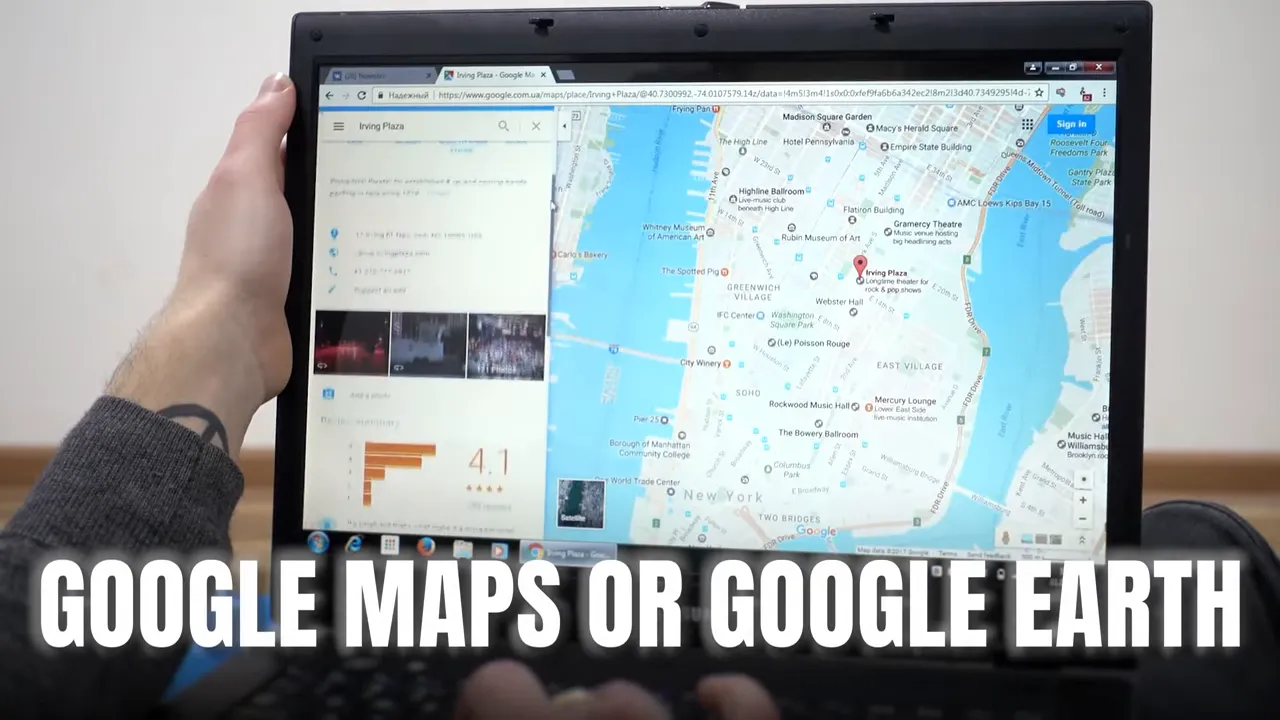
🤖 ChatGPT can help your home search if you use it the right way
This is another place where buyers can work smarter.
AI is not just for agents, marketers, and listing photographers. You can use it too.
Tools like ChatGPT can help organize your home search, compare locations, and pressure-test whether a property actually fits your needs. That does not replace your agent, your lender, or your own judgment. But it can help you sort through a lot of noise.
For example, you can give it your criteria:
- maximum budget
- ideal commute distance
- bedroom count
- single-story or two-story preference
- must-have neighborhood features
Then you can drop in a property address and ask questions like:
- Is this likely too far from my workplace?
- What should I research about this neighborhood?
- What hidden costs should I think about for a house like this?
- How can I compare this property to the others I am considering?
Used properly, it becomes a sorting tool. That means less wasted time touring homes that never had a real shot.

👀 When you tour a house, stop shopping like a dreamer and start walking it like an analyst
Once you have narrowed your list and actually go see homes, you need a more critical eye than most buyers bring with them.
Too many people walk in and immediately react emotionally. They see a pretty kitchen or a staged living room and mentally move in before they have looked at the things that matter.
When I evaluate a property, I am asking:
- Does the house match the online presentation?
- Do the room sizes feel as large as they looked in photos?
- What condition are the floors, walls, and fixtures really in?
- How does the outside space feel in person?
- What does the street sound like?
- How close are the neighbors really?
- Does anything look neglected or expensive to fix?
You are not there just to confirm that you like it. You are there to find out whether the property deserves an offer at all.
💵 Your budget has to match the market, not your wish list
This is where a lot of buyers get into trouble.
They know what monthly payment they can afford, but then they shop in a price band that only works if somebody gives them a major discount. That is not strategy. That is hope.
If you can truly afford a $400,000 house, then your realistic range depends on what the market is doing. In a softer market, maybe you can stretch up a bit if homes are overpriced and negotiable. In a hot spring market where homes are moving fast, trying to chase a much higher list price and then negotiate your way down is usually a waste of everybody’s time.
I have seen buyers want a giant discount simply because that is what they need for the numbers to work. The market does not care what anyone needs. It responds to supply, demand, condition, pricing, and timing.
The same is true on the seller side. Sellers do not get a premium just because they want one. A house is worth what the market supports.
📉 The truth about lowball offers
Can you make a low offer? Sure. You can offer whatever you want.
The better question is whether your offer is within a believable negotiation range.
Context matters:
- How long has the house been on the market?
- Has the seller reduced the price before?
- Is the home actually overpriced compared with recent sales?
- Did the seller’s circumstances change?
- Is the market moving quickly or slowly in that neighborhood?
If a property is fresh on the market, correctly priced, and sitting in a competitive season, a dramatic lowball offer is not negotiating. It is just getting rejected quickly.
On the other hand, if the home has been sitting for months with no meaningful price adjustment, now you may have room to work. That is why your agent needs to run the numbers and explain the setup before you start throwing offers around.
I get a kick out of those stories where somebody claims they got a huge discount on a home and acts like that proves everyone else was wrong. Maybe. Or maybe the house was overpriced from day one. Maybe the seller finally got realistic. Maybe the property was not worth the original asking price in the first place. Without context, those stories do not teach you much.
A smart buyer does not chase internet bragging rights. A smart buyer chases a supportable deal.
📊 Numbers matter more than opinions
Real estate gets emotional fast, but the numbers are still the numbers.
Before you submit an offer, I want you thinking about:
- What are homes like this actually selling for?
- How many homes are currently on the market in that area?
- How quickly are they selling?
- Are listings piling up faster than they are being absorbed?
- Are builders offering incentives?
Builders can be a useful signal. They have economists, forecasting models, and a sharp eye on demand. If builders are rolling out major incentives, that tells you something. If they start pulling incentives back, that tells you something too.
None of this means you should obsess over every tiny market fluctuation. It means you should stop making decisions based only on what you hope is possible.
🧾 Before you make an offer, know your real costs
This is where buyers need to get serious.
Do not wait until after the offer is accepted to figure out whether the deal works. By then, you are already emotionally invested, and that is when bad decisions happen.
Before you write the offer, you should already know:
- your estimated monthly payment
- your down payment amount
- your estimated closing costs
- whether seller concessions are common right now
- how much cash you need to bring to closing
Market conditions change. There have been periods where sellers would not help with closing costs at all. There have also been times when incentives were everywhere because supply outpaced demand.
So ask your agent and your lender what is normal right now, not what was normal two years ago.
A good offer is not just about price. It is about total structure.
⏰ Do not let anyone waste your time with bad showings
Another thing buyers need to understand is that not every agent uses your time the way they should.
In a strong market especially, every showing should have a purpose. If a house is unavailable, effectively gone, or obviously not a fit, you should not be touring it just so someone can build rapport or say they showed you something.
That kind of time-wasting still happens.
Your search should be intentional. If you are only seeing five or six homes in a day, every one of those homes should have earned its place on the list through screening, research, and honest conversation.

💼 A word on buyer agreements and commission conversations
There is another issue floating around the market right now that buyers need to pay attention to, and that is how compensation is being handled.
Commissions are negotiable. Always remember that.
Some buyers are being told they must pay the difference if a seller is offering less than a certain amount to the buyer’s agent. Sometimes that may be part of the agreement they signed. Sometimes they do not fully understand what they signed in the first place.
The important part is this: read the paperwork, ask questions, and do not assume every fee is fixed by law or by custom.
If you do not understand how your agent is being paid, ask. If you do not understand whether you are responsible for any shortfall, ask. If you do not like the answer, that is a conversation to have before you are deep into the process.

✅ What a strong offer really looks like
A strong offer is not necessarily the highest possible offer.
A strong offer is one that:
- fits the market
- fits the comps
- fits your budget
- fits the seller’s likely negotiation range
- has been thought through on closing costs and financing
If you have done your homework, checked the property, looked at the neighborhood, understood the numbers, and written an offer within a rational range, you have given yourself a real shot.
If you go in wildly low just because you would like a bargain, you are probably not doing anything except speeding up the rejection.
There is nothing wrong with starting below list when the situation supports it. Just make sure you are still negotiating in the real world.
🏦 One more thing buyers should remember about appraisals
One guardrail that helps buyers is the appraisal.
During the wildest market periods, some buyers were covering big appraisal gaps because values and bidding wars got out ahead of reason. In a more normal environment, that is not the default expectation.
Practically speaking, that means you have some protection against massively overpaying if the financing and appraisal process are structured correctly. You may be able to buy below value if the negotiation goes your way. But paying above market gets much harder when the appraisal does not support it.
That is one more reason not to panic-buy.

🧠 The bottom line for house hunting in 2026
The modern home search is not just about finding listings. It is about filtering truth from marketing.
AI has made that harder, not easier. Photos are cleaner, prettier, and more persuasive than ever. But the fundamentals have not changed. A home still has a real location, a real condition, a real market value, and a real monthly cost.
If you keep your eye on those four things, you will avoid a whole lot of pain.
My advice is simple:
- Question listing photos.
- Use Google Maps and Street View.
- Use AI tools to organize your search, not replace judgment.
- Tour homes critically.
- Stay inside a price range that matches the current market.
- Base your offer on data, not wishful thinking.
- Know your true costs before you submit anything.
- Understand any agreement you sign, especially around compensation.
Do that, and you are already ahead of a lot of buyers.
❓FAQ
Can Zillow and other listing sites really make homes look better than they are?
Yes. Listing platforms display the photos they are given, and those photos may include virtual staging, aggressive editing, enhanced lighting, wide-angle shots, and AI cleanup. The home may still be real, but the presentation can be much more flattering than reality.
How can I tell if a listing photo is misleading?
Look for rooms that seem unusually large, unusually bright, or unusually polished for the price point. Also pay attention to missing photos, suspicious angles, and homes that look far nicer online than similar homes in the same area.
Why should I check Google Maps before touring a house?
Google Maps and Street View can reveal parking issues, neighbor conditions, nearby traffic, surrounding streets, and other location factors that listing photos usually do not show. It is one of the fastest ways to eliminate bad fits before spending time on a showing.
Can ChatGPT help with a home search?
It can help organize your criteria, compare addresses, think through commute distances, and generate research questions. It is best used as a support tool, not as a replacement for your agent, lender, or due diligence.
Should I make a lowball offer if I want a better deal?
Only if the numbers support it. A low offer works best when the house is overpriced, stale on the market, or tied to a seller with changing circumstances. If the home is freshly listed and correctly priced in a strong market, a dramatic lowball offer is more likely to get rejected than accepted.
What should I know before submitting an offer?
You should know your estimated monthly payment, cash to close, likely closing costs, whether seller concessions are common in the current market, and how the home compares with recent sales. You should also understand any buyer agreement you signed and whether you may owe your agent compensation.
If you are house hunting in Las Vegas, the smartest thing you can do is stop treating the search like online shopping and start treating it like a field operation. The prettier the listing looks, the more disciplined you need to be.
Categories
Recent Posts