What It’s REALLY Like Living Near Creech AFB (Indian Springs NV)
What It’s Really Like Living Near Creech AFB in Indian Springs, NV
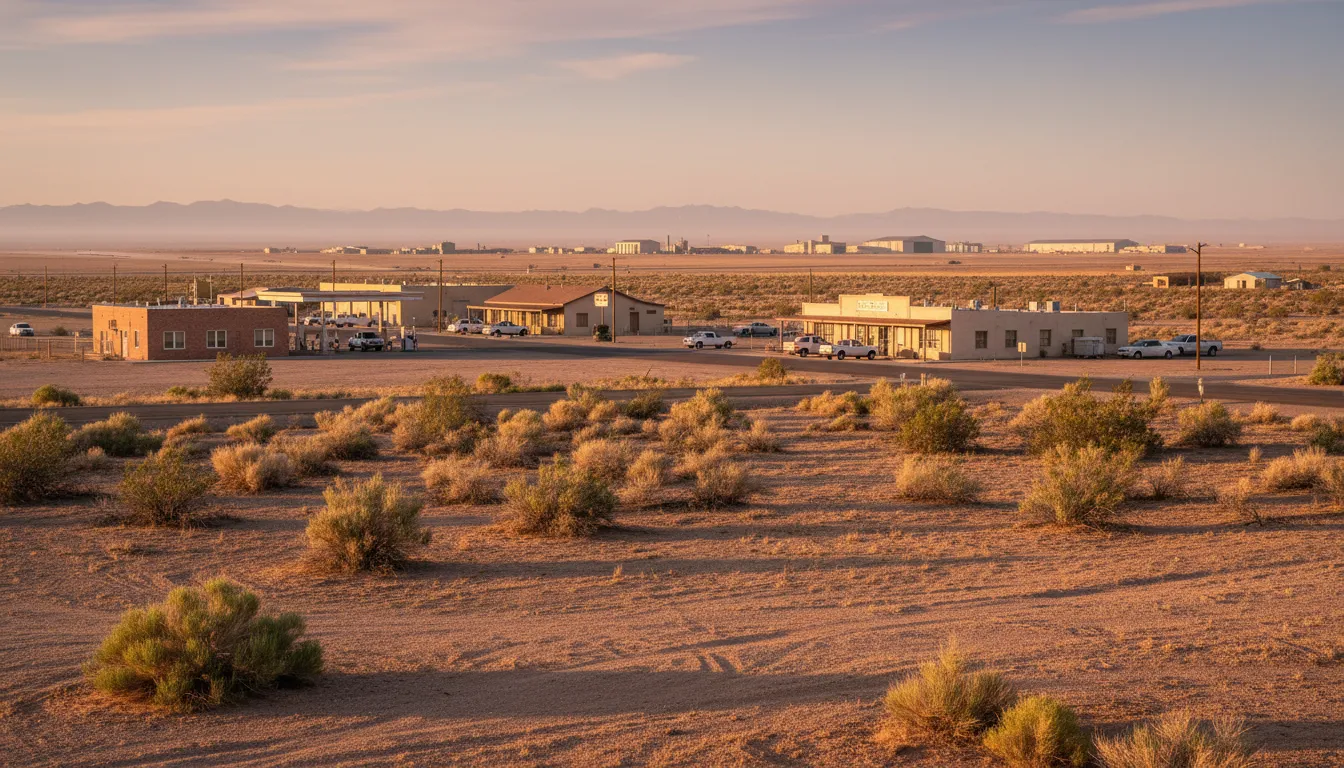
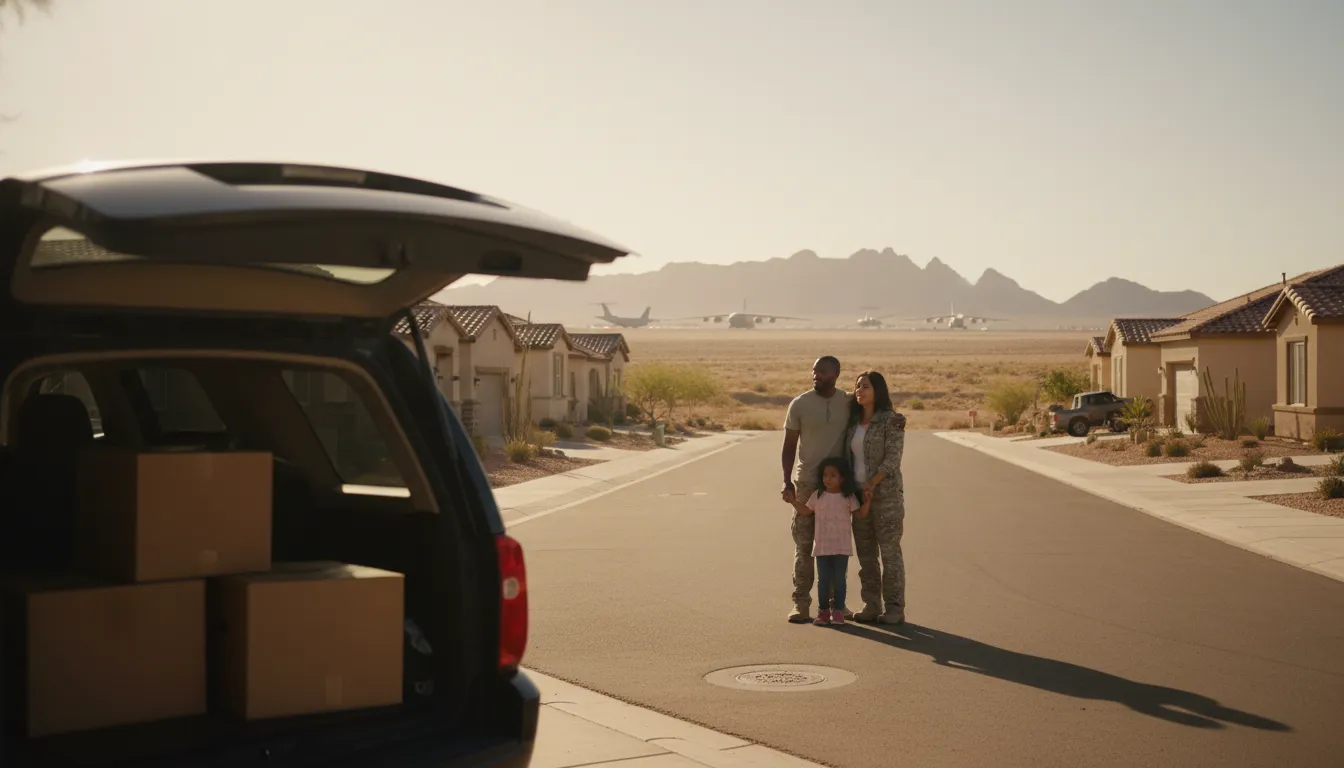
Indian Springs is one of those places a lot of people pass through without ever really thinking about living there. If you are stationed at Creech Air Force Base, though, or you are trying to stay near the base without making that daily run back and forth from Las Vegas, then Indian Springs starts to look a whole lot more relevant.
I recently made the drive back through Indian Springs after more than a decade away, and I wanted to see how much had changed. I had not been back since leaving Creech, and back then this little town was about as bare-bones as it gets. A couple gas stations, trailer parks, the school, the post office, a metro station, and the Oasis. That was pretty much the story.
Now? It is still small. It is still remote. It is still very much its own thing. But it is no longer frozen in time.
If you are considering living near Creech AFB, this is the honest picture of what Indian Springs looks like today, what has changed, what has not, and whether it may actually make sense for your lifestyle.
🚗 The drive tells you a lot before you even get there
One of the first things you need to understand about Indian Springs is that the location is both the benefit and the tradeoff.
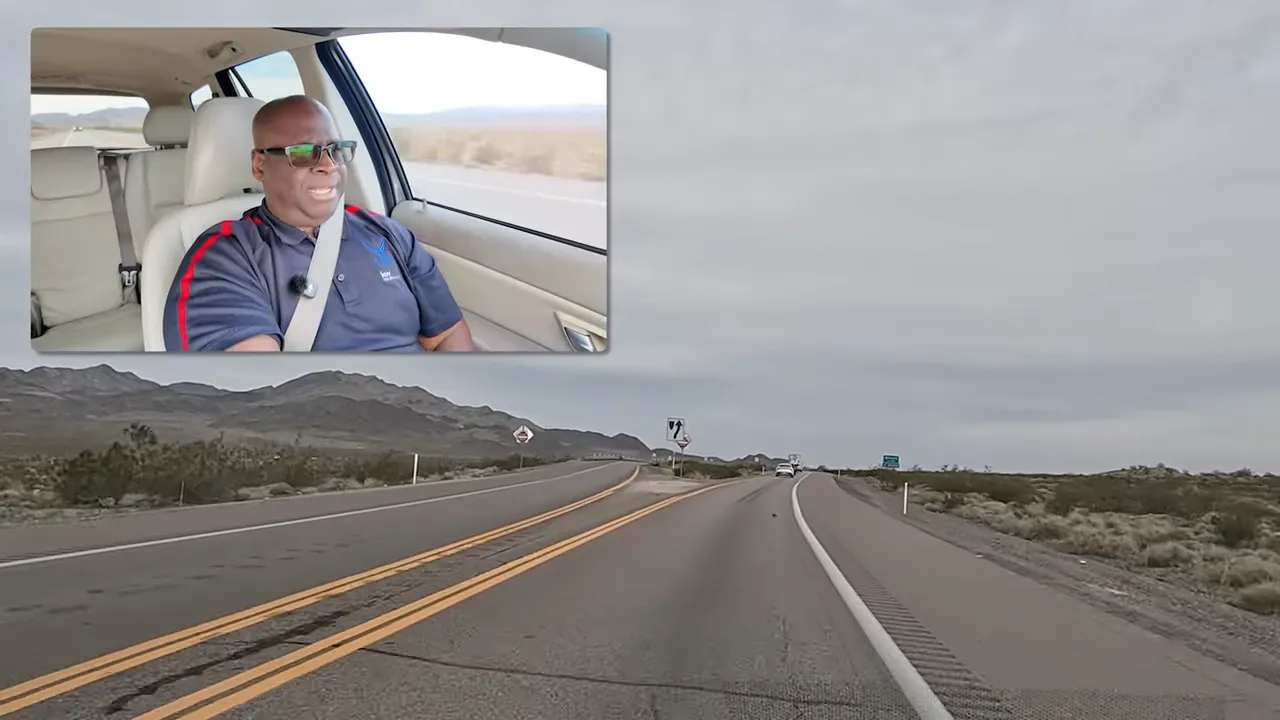
The town sits along US-95 northwest of Las Vegas, and if you are coming from the city, you are looking at roughly 35 to 40 minutes to get there depending on traffic and where in Vegas you are starting. If you are working at Creech, that distance matters. For some people, that commute is no big deal. For others, doing it every day gets old fast.
That is really the reason new home communities started showing up in Indian Springs in the first place. Some people simply got tired of driving back to Las Vegas after work. They wanted to live closer to the base, save time, and keep life simpler.
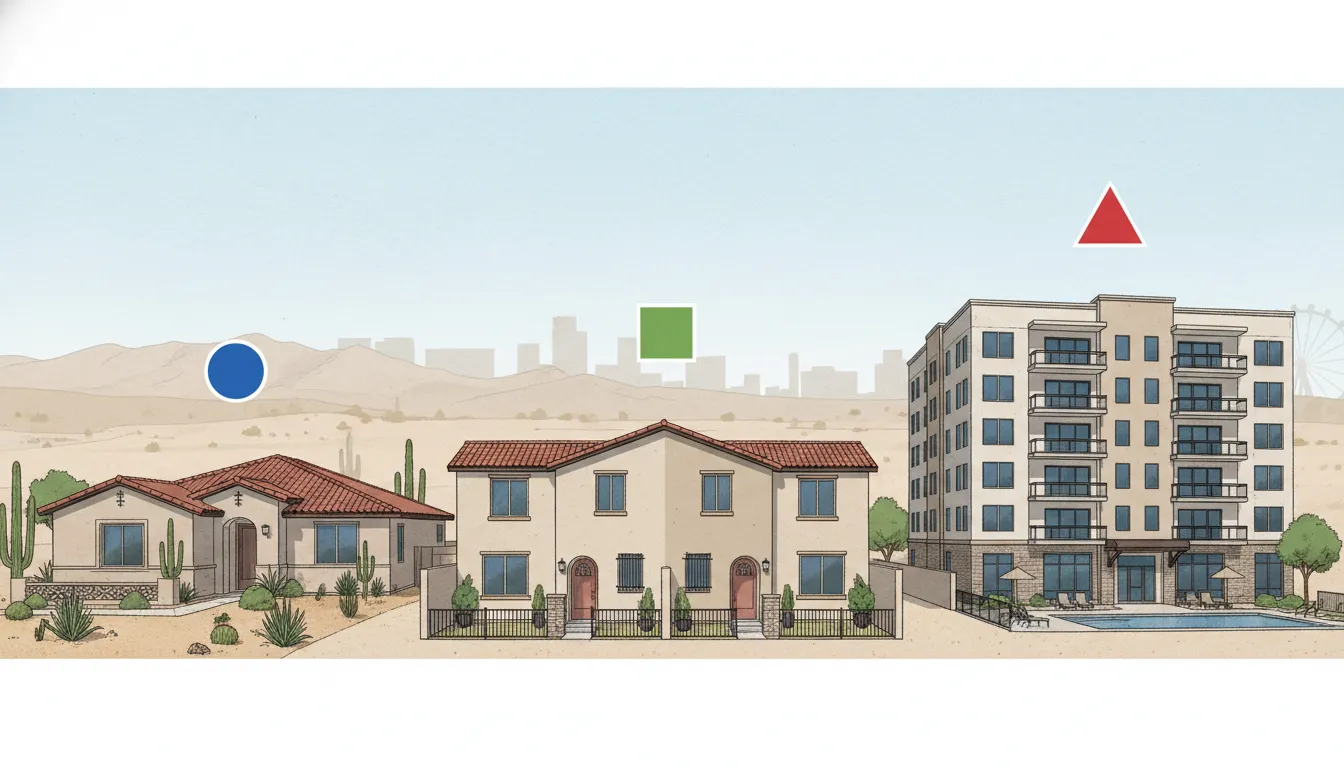
The approach into town also reminds you that this is not suburban Las Vegas. You are driving through open desert, mountain views, long stretches of road, and very little in between. If you love wide-open space and a quieter setting, that is going to feel like a plus. If you want restaurants, shopping centers, and neighborhoods on every corner, this is probably going to feel isolated.
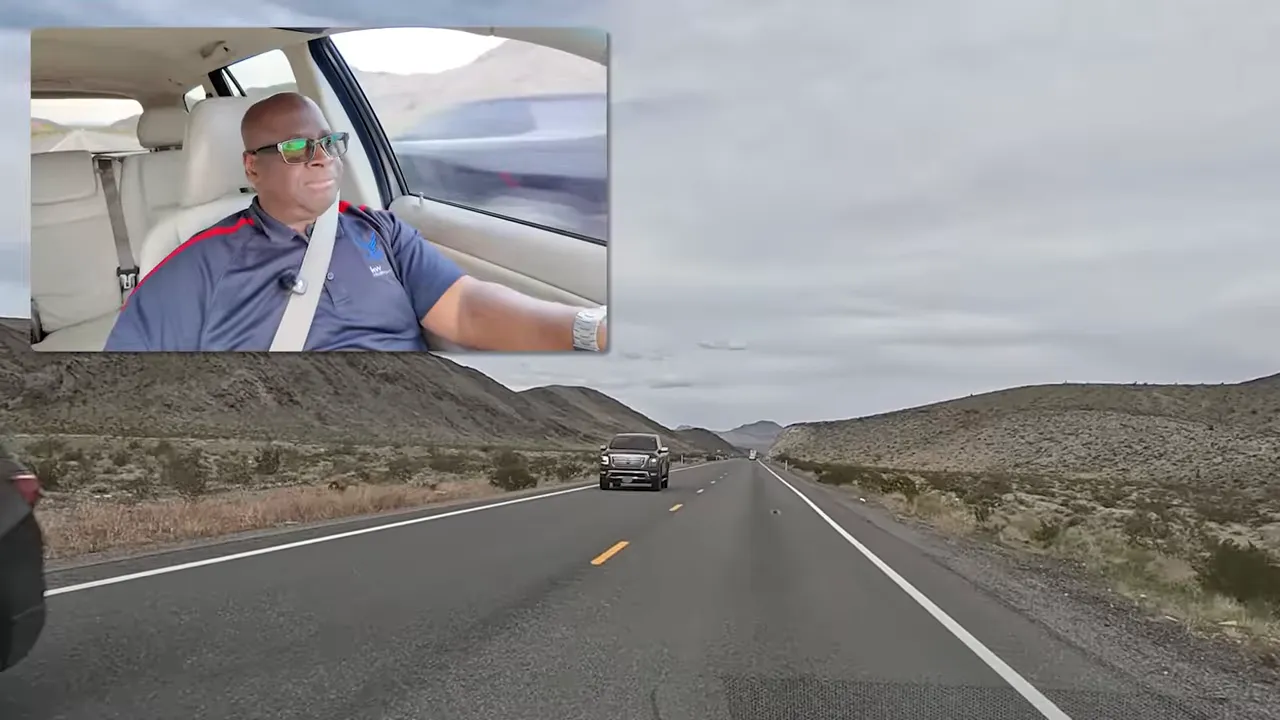
That remoteness is not a flaw. It is part of the identity. You just need to know what you are signing up for.
🏜️ Indian Springs used to be extremely limited
When I was stationed at Creech, Indian Springs was a very different place from what some people might expect now.
It was a true small desert town with basic services and not much more. The Oasis was the local standby. There were trailer parks all over, a school that served the local kids in one centralized setup, a post office, law enforcement presence, and a couple fuel stops. That was about the extent of it.
Parts of the commercial area near the base were also affected by security changes over time. The government acquired property on the base side of Highway 95 for force protection purposes, which changed the layout and eliminated some of the old businesses and roadside stops that used to be there.
So if somebody last saw Indian Springs years ago and has a picture in their mind of a near-empty outpost with a few trailers and not much else, that memory is not totally wrong. It is just incomplete now.
What is interesting is that even with the newer construction, Indian Springs still carries that old-school Nevada desert-town feel. It has not turned into Summerlin North. It has just become more practical for people who need or want to be near Creech.
☢️ The area has a lot of Cold War history around it
Driving this route also reminds you how much history is tucked into this part of Southern Nevada.
Not far from the route into Indian Springs is Mercury, a closed government town that was tied to activity at the Nevada Test Site during the Cold War. This whole region has a long connection to military operations, weapons testing, and restricted federal land. That history is part of the landscape out here.
If you want context on the area’s past, the National Park Service overview of the Nevada Test Site and the broader history of the Nevada National Security Sites are useful starting points.
You do not need to be a military history buff to live in Indian Springs, but it helps to understand that this is not just another small town on the edge of metro Las Vegas. It sits in a region shaped by the Air Force, federal land use, testing history, and secure facilities.
✈️ Living near Creech means the base is the center of gravity
If you are moving here because of Creech Air Force Base, then most of your daily life is going to revolve around one central question: how much do you value convenience to work?
Creech has evolved over the years. When I first came through, the mission mix looked different than it does now, and the base continued shifting more heavily toward remotely piloted aircraft operations over time. That growth and change helped create more demand for nearby housing.
The closer you live to Creech, the less you have to deal with the Vegas commute. That sounds simple, but it matters more than people think. Saving 35 to 40 minutes each way can change your whole day. More sleep. Less gas. Less wear on the car. More time at home. If your schedule is odd or demanding, that starts to matter in a hurry.
At the same time, living close to the base means you are trading access to big-city amenities for job convenience. For some households, that is absolutely worth it. For others, especially if a spouse wants more shopping, dining, or entertainment nearby, it may not be the right fit.
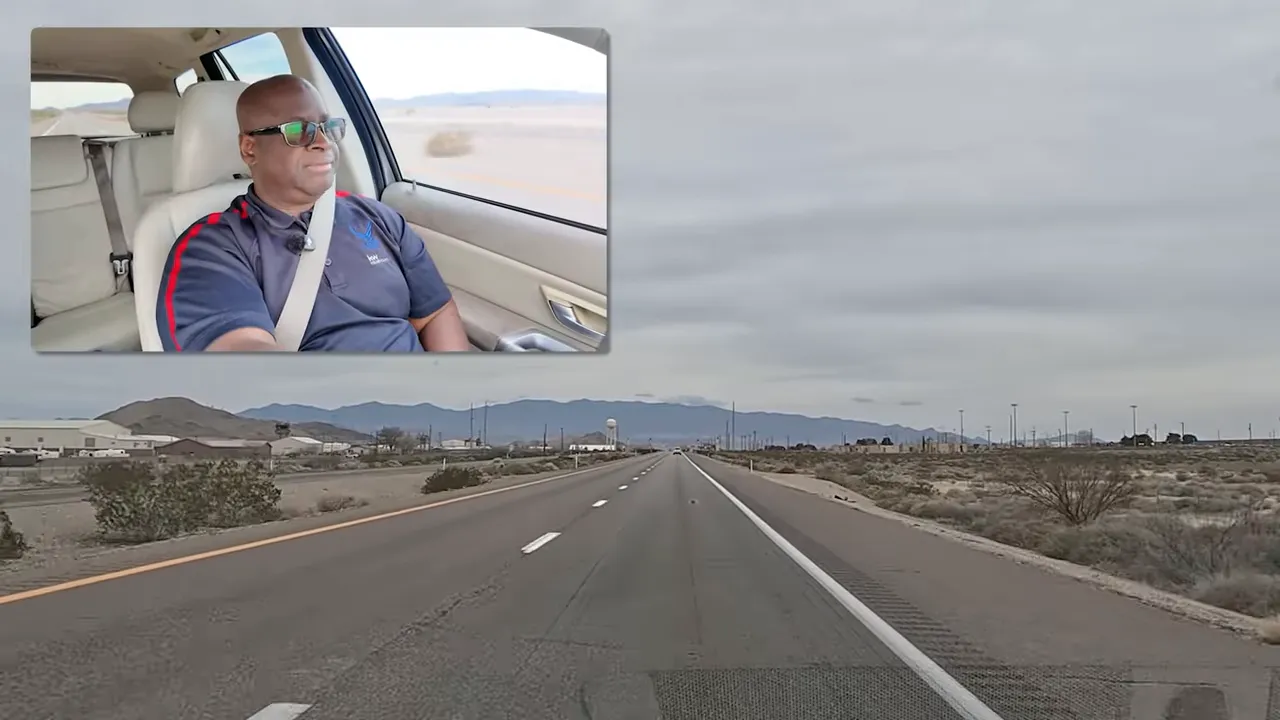
The main thing is to think about your actual routine, not your idealized one. A lot of people say they do not mind a drive until they have done it five days a week for a year.
🏘️ The biggest surprise is the new home construction
The biggest change in Indian Springs is easy to spot once you drive into town. There are now newer single-family home communities that simply did not exist back in the day.
That is the part that catches people off guard.
You can still find the older sections of town, and you can still see the trailer-park-heavy identity that Indian Springs had for years. But tucked in there now are subdivisions with newer homes, paved neighborhood streets, block walls, garages, and a much more suburban feel than people expect this far outside Las Vegas.
That does not mean the whole town has been transformed. It means there is now a specific option for buyers who want:
- To stay close to Creech AFB
- A newer home instead of an older manufactured or mobile home setup
- A lower-key lifestyle away from Las Vegas traffic
- A community that feels more residential than improvised
And honestly, some of those homes looked pretty solid. Not luxury showpieces, but nice, clean, modern homes that make Indian Springs feel more livable than many people assume.
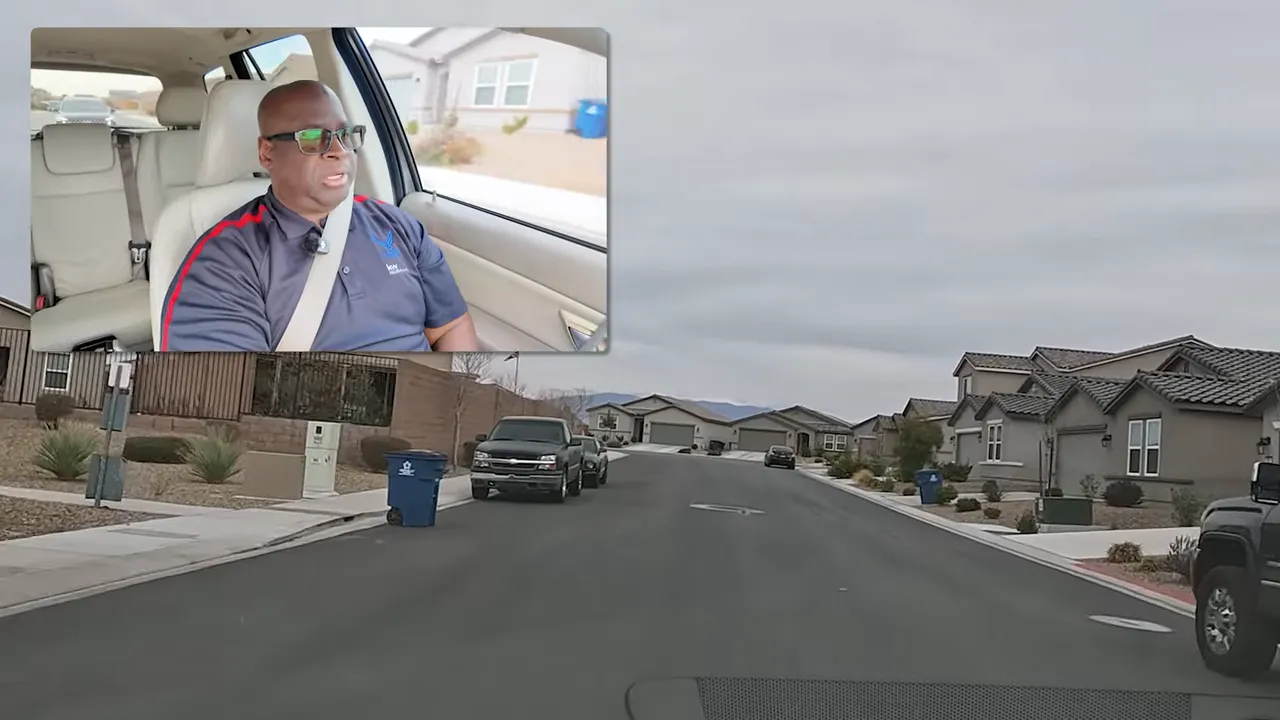
If you are house hunting here, do not just rely on old impressions of the town. The housing stock is more mixed now than it used to be.
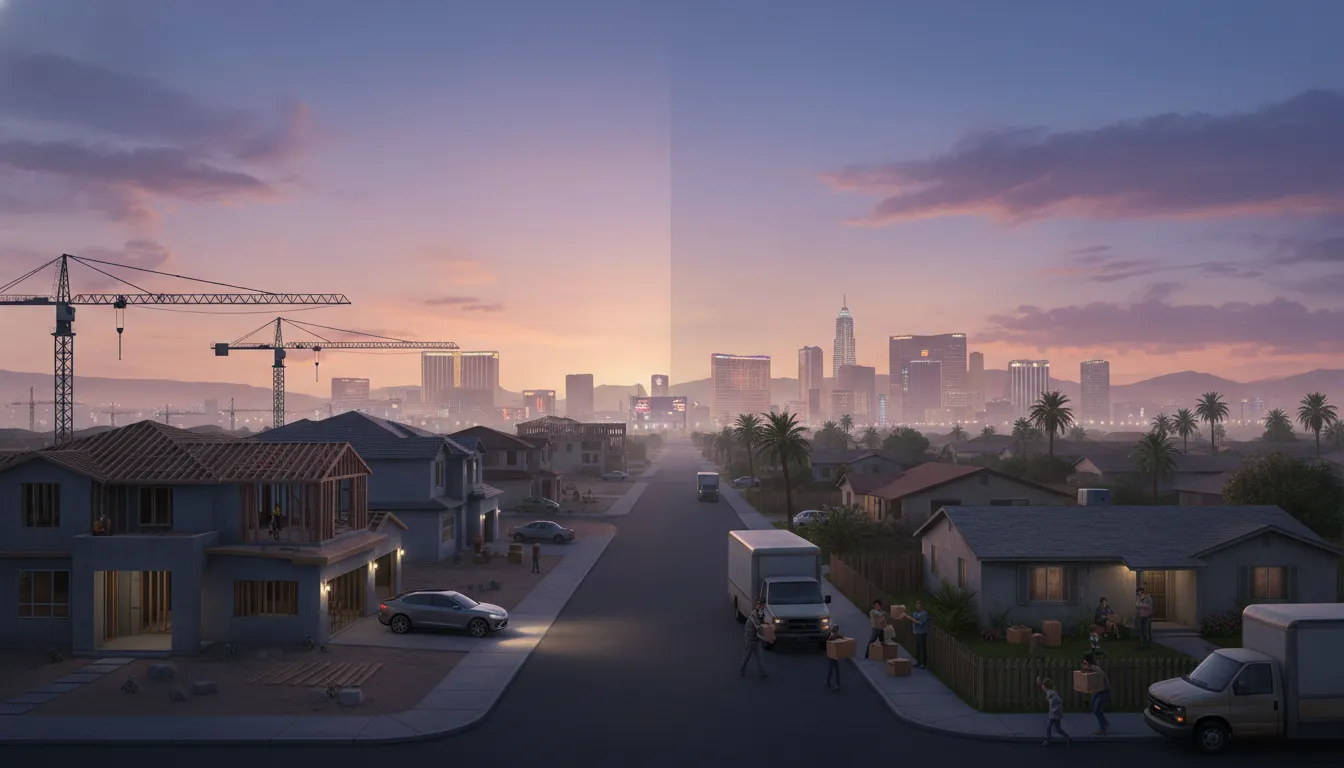
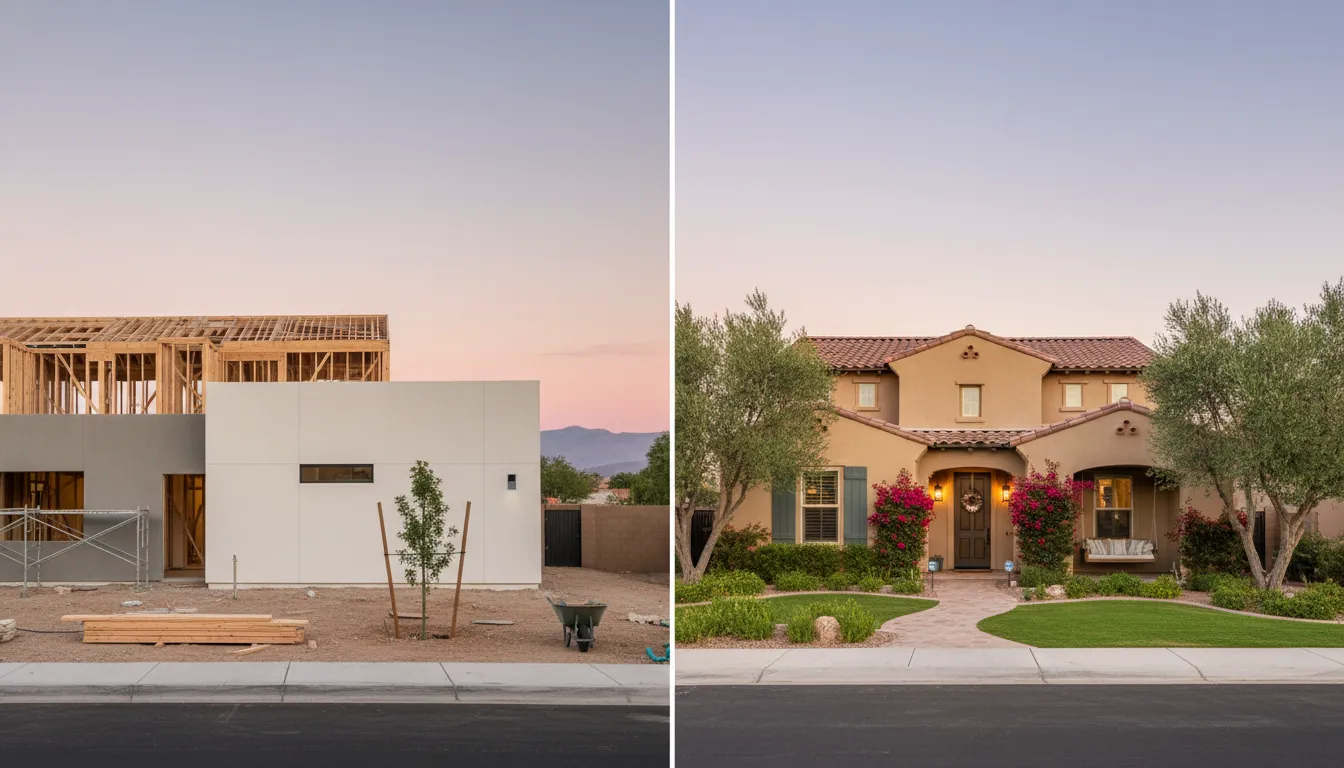
🏚️ Old Indian Springs and new Indian Springs sit side by side
One of the most useful things to understand is that Indian Springs is not one uniform neighborhood. It is more like layers.
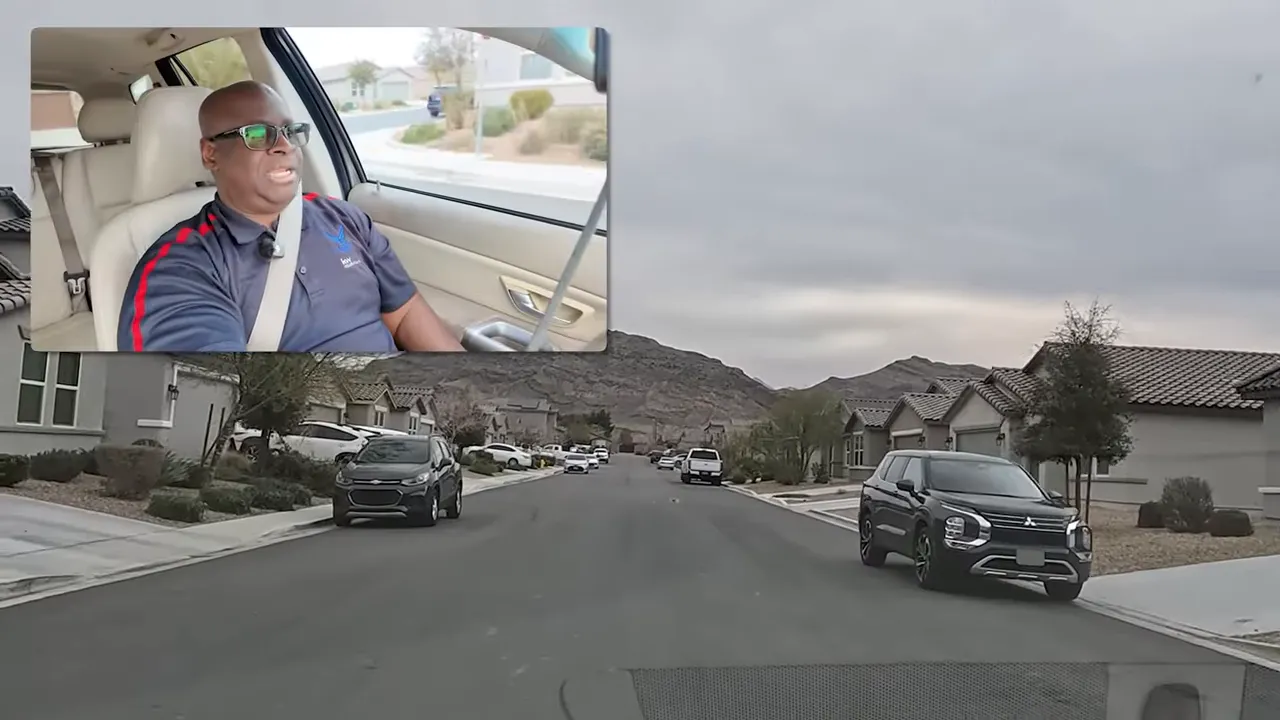
You have the older sections that still reflect what the town used to be for a long time. Trailer parks, older lots, basic infrastructure, and a more rugged look. Then you have the newer communities that feel planned, newer, and much more familiar to buyers coming from suburban markets.
That contrast is sharp. You can go from an older no-frills part of town to a newer subdivision in a matter of minutes.
That matters because your experience of living in Indian Springs can vary a lot depending on where exactly you buy. Some people hear “Indian Springs” and picture only the older parts. Others see a new house online and assume the entire town looks like that subdivision. Neither picture tells the whole truth.
The better way to think about it is this:
- The town overall is still small and limited
- The newer housing gives you a more comfortable residential option
- The surrounding environment is still rural desert, not metro suburbia
🛒 What shopping and amenities are actually like
Now let’s talk about the practical side, because this is where people either decide Indian Springs works for them or they immediately know it does not.
You are not getting major retail out here.
You do have some local basics, including discount-store type shopping and fuel stops. There is also a casino presence in town, and the Oasis is still part of the local picture. So you are not cut off from the world. You can handle quick needs, grab essentials, and get by day to day.
But for serious shopping, errands, broader dining options, medical specialists, entertainment, or the full range of suburban conveniences, you are still heading toward Las Vegas.
That means Indian Springs works best for people who:
- Do not need constant access to city amenities
- Are comfortable planning shopping trips
- Value proximity to Creech more than proximity to entertainment
- Prefer a quieter, simpler environment
It works less well for people who want walkable conveniences, variety in dining, or the kind of retail access that comes standard in most Las Vegas neighborhoods.
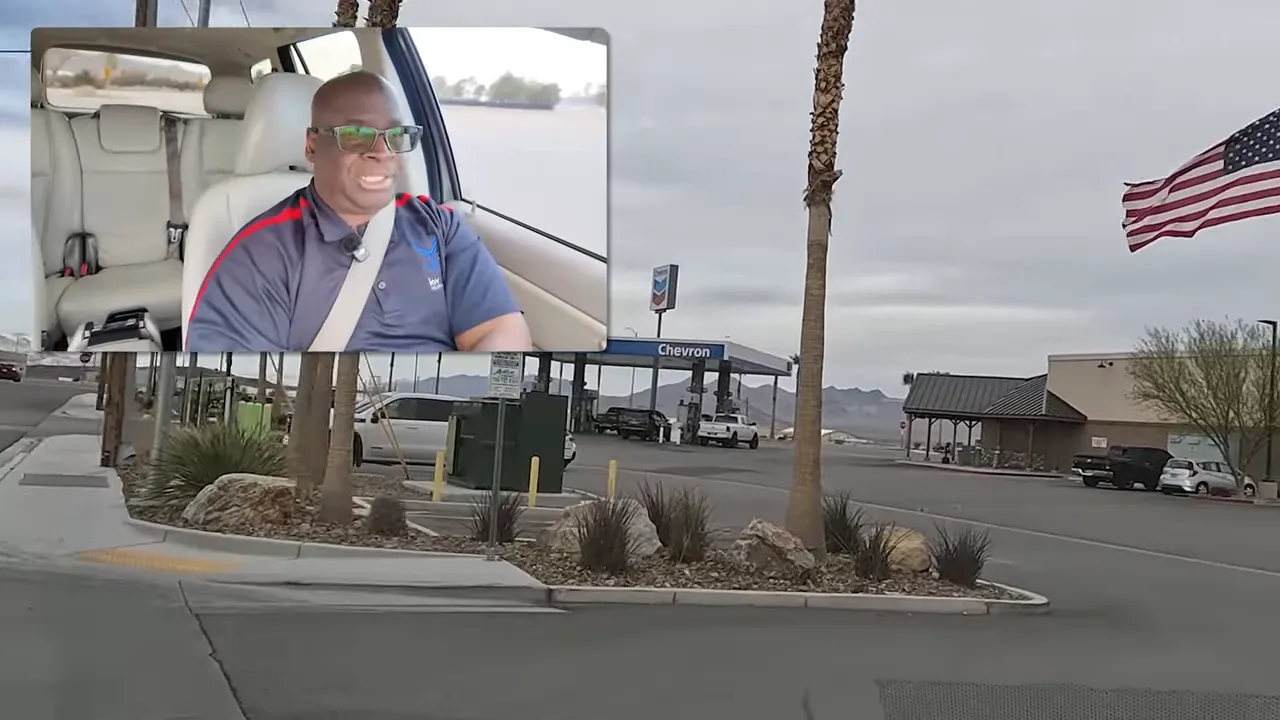
That is not a complaint. It is just reality. Indian Springs is functional, but it is not full-service living in the way Henderson, Summerlin, or even parts of North Las Vegas are.
😄 Small-town living comes with personality, quirks, and stories
Any place this small develops its own personality.
Indian Springs has always had that little-town mix of rumor, local lore, and everybody-knows-something-about-somebody energy. Years ago, I heard all kinds of stories about who lived there and why, including theories tied to the nearby prison. Whether every bit of that kind of talk is true is another matter entirely. In a place this size, stories travel fast and facts sometimes take the scenic route.
That same small-market dynamic also shows up in real estate. If you are buying new construction anywhere, not just Indian Springs, you need to do your homework with lenders, builders, and paperwork. I have seen enough oddball situations in this business to know that “pre-approved” can mean very different things depending on who issued it and how seriously they reviewed the file.
That is one of those areas where buyers need to stay sharp:
- Make sure financing has been properly reviewed
- Do not assume every lender’s preapproval means the same thing
- Understand builder requirements before you get deep into the process
- Work with people who verify details instead of just taking paperwork at face value
That advice applies anywhere, but especially in a smaller market where the inventory and builder options may already be limited.
⚖️ The real pros and cons of living in Indian Springs
If I were boiling this down for somebody seriously considering a move, here is the honest scorecard.
Pros
- Close to Creech AFB, which can make daily life much easier for military and civilian personnel working there
- Newer housing options now exist, which is a major improvement over the older perception of the town
- Quieter pace of life compared with Las Vegas
- Open desert surroundings and mountain views for people who like space and less density
- Basic services in town for everyday needs
Cons
- Limited amenities compared with Las Vegas or its suburbs
- Small-town environment is not for everybody
- Still remote if you need frequent shopping, dining, or entertainment
- Housing inventory is narrower than in the metro area
- The town is visually mixed, with older and newer areas side by side
That last point is important. Some people want a fully polished, master-planned environment. Indian Springs is not that. It is a practical desert town with some newer housing layered into an older setting.
🏡 Who Indian Springs is best for
Indian Springs tends to make the most sense for a pretty specific kind of buyer or renter.
It is a good fit if you are:
- Stationed at or working near Creech AFB
- Tired of the long drive back to Las Vegas
- Comfortable with limited local shopping and services
- Looking for a quieter place to live
- Open to a smaller community with a rural-desert feel
It is probably not the right fit if you are:
- Expecting a typical Las Vegas suburban experience
- Dependent on nearby dining, retail, and nightlife
- Wanting a large variety of neighborhoods and home styles
- Uncomfortable with a more isolated setting
That is really the bottom line. Indian Springs is not trying to be everything to everybody. It serves a purpose, and for the right person that purpose is actually pretty compelling.
❓FAQ
How far is Indian Springs from Las Vegas?
For most people, the drive is about 35 to 40 minutes, depending on where in Las Vegas they are starting and traffic conditions.
Is Indian Springs a good place to live if I work at Creech AFB?
It can be an excellent fit if being close to the base is your top priority. The biggest advantage is reducing the daily commute. The tradeoff is limited shopping, dining, and entertainment compared with Las Vegas.
Are there new homes in Indian Springs, Nevada?
Yes. Indian Springs now has newer single-family home communities that offer a more modern residential option than the older housing the town was traditionally known for.
What shopping is available in Indian Springs?
You can find some everyday basics, fuel, and limited local services. For bigger shopping trips, more restaurant options, and broader services, most people still go into the Las Vegas area.
Is Indian Springs rural or suburban?
Overall, it is still more rural desert town than suburban Las Vegas. The newer home communities add a suburban feel in certain sections, but the town as a whole remains small and remote.
What is the lifestyle like in Indian Springs?
Life there is quieter, simpler, and more centered on work, home, and basic errands. It appeals most to people who value peace, space, and convenience to Creech more than access to big-city amenities.
📍Final thoughts on living near Creech AFB
Coming back through Indian Springs after all these years, the biggest thing that stood out to me was not that it had become some booming destination. It has not. The biggest thing was that it had become more livable for the people who actually need it.
That is a meaningful difference.
Indian Springs still has the same desert setting, the same small-town scale, and the same separation from Las Vegas. But now it also has newer homes and a more realistic housing option for people who do not want to spend a huge chunk of every day commuting to Creech.
So what is it really like living near Creech AFB in Indian Springs?
It is quiet. It is practical. It is limited. It is improving. And for the right person, it may make a whole lot more sense than making that drive from Las Vegas day after day.
Categories
Recent Posts