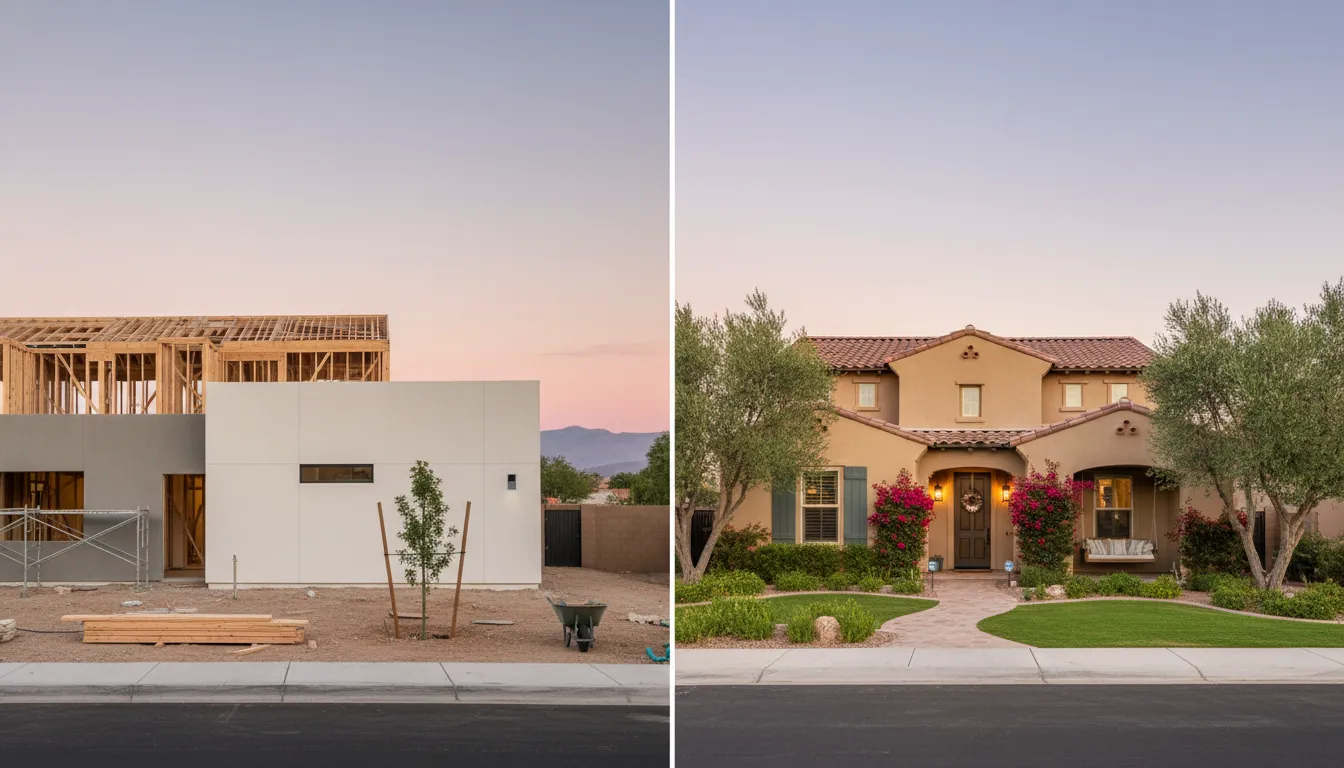
You Might Be Buying the WRONG Type of Home (Condo vs Townhouse vs House) | Homebuying Process Part 5

You Might Be Buying the Wrong Type of Home: Condo vs Townhouse vs House in Las Vegas
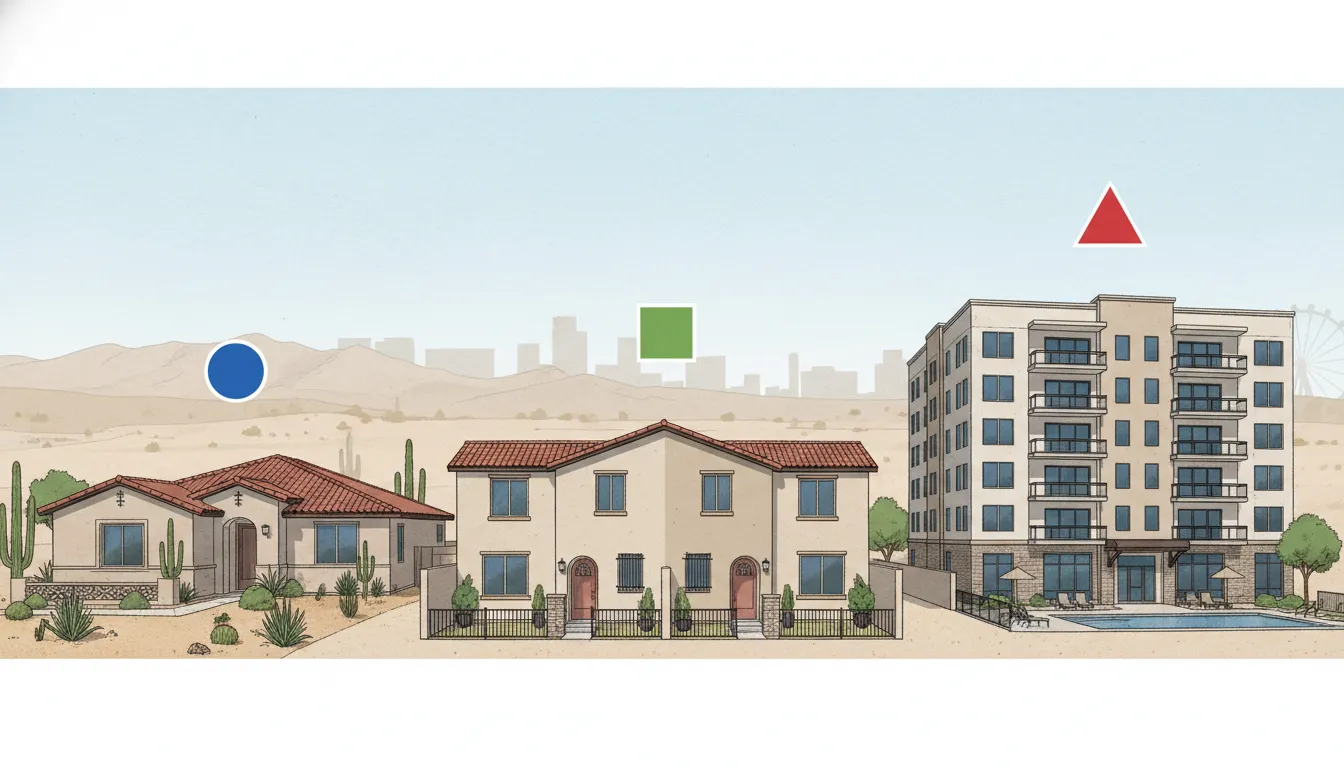
A lot of buyers think they’re choosing between a house, a townhome, or a condo based on what the building looks like. That’s where people get tripped up.
In Las Vegas, the biggest mistake I see is folks assuming the style of the property tells them everything they need to know. It doesn’t. What really matters is how the property is legally classified, how ownership works, and how that classification affects your financing, HOA costs, and long-term plans.
If you don’t understand that before you start shopping, you can end up chasing the wrong properties, getting surprised by lending restrictions, or finding out in escrow that the place you thought was a townhome is actually treated like a condo.
That is not a fun surprise.
🏠 The three main residential property types I deal with most in Las Vegas
For most buyers in the Las Vegas Valley, the main property types are:
- Single-family homes
- Townhomes
- Condos
Now, yes, other parts of the country get into co-ops and some other arrangements. But here in Las Vegas, those three are the main categories most buyers are dealing with.
The part that confuses people is this: these categories are not always about the shape of the building. A lot of the time, they are really about the form of ownership.
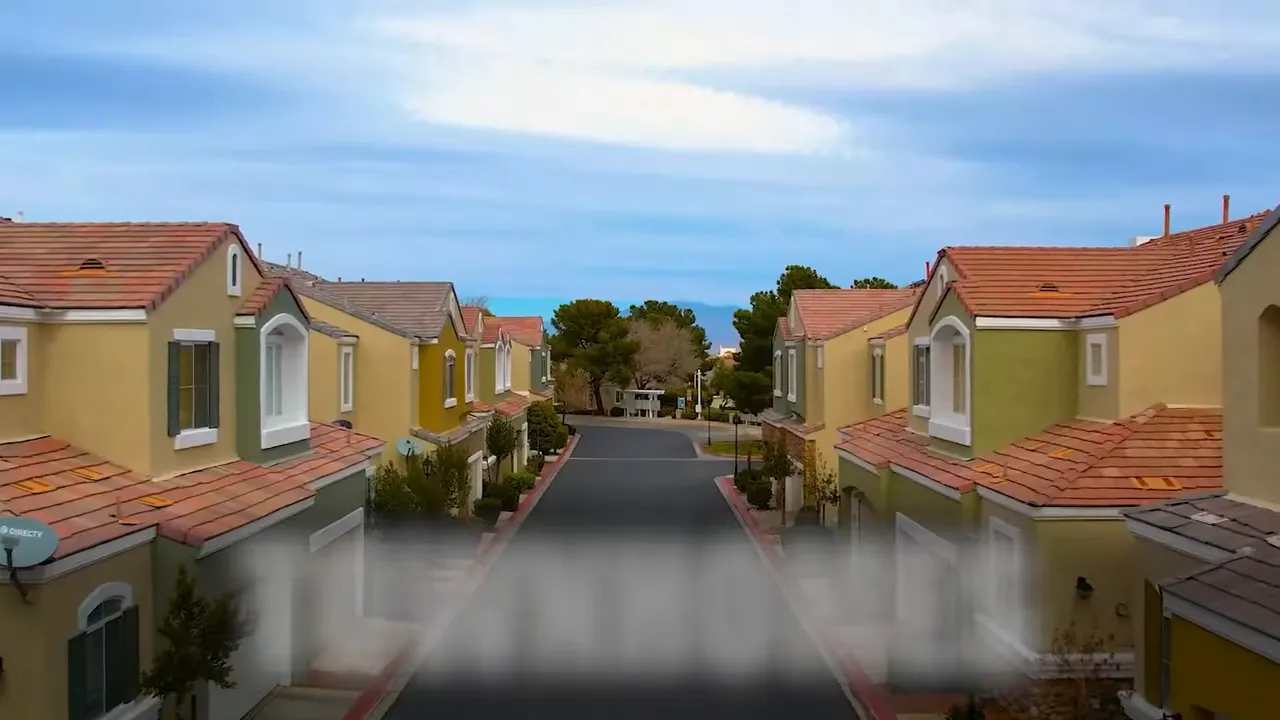
That means two homes can look similar from the street and still be treated very differently for financing and ownership purposes.
🏘️ Single-family home does not always mean fully detached
Most people hear “single-family home” and picture a detached house with space on all sides.
Usually, that’s what they mean. But not always.
In the Las Vegas area, there are some single-family homes that are actually attached to another home. Typically, you’ll see no more than two attached together, sharing a wall. A buyer will often roll up and say, “That’s a townhome.” Not necessarily.
If the ownership and legal structure classify it as a single-family residence, then for lending purposes and many practical purposes, that is what it is.
Builders do this in some newer developments because it can help control costs. So if you’re shopping based only on appearance, you can get misled fast.
This is one reason I always tell buyers not to assume the architecture tells the whole story. A shared wall does not automatically make something a townhome.
🏡 What actually makes a townhome a townhome?
Townhomes are always attached products, but people still misunderstand what they are.
A lot of buyers think a townhome has to be a two-story unit in a row of three or four homes. That’s a common image, but it’s not a rule.
In Las Vegas, Henderson, and North Las Vegas, there are also single-story townhomes. You’ll find many of those in 55-plus communities, and sometimes in developments where a single-story unit sits on one end, a couple of two-story units are in the middle, and another single-story unit is on the other end.
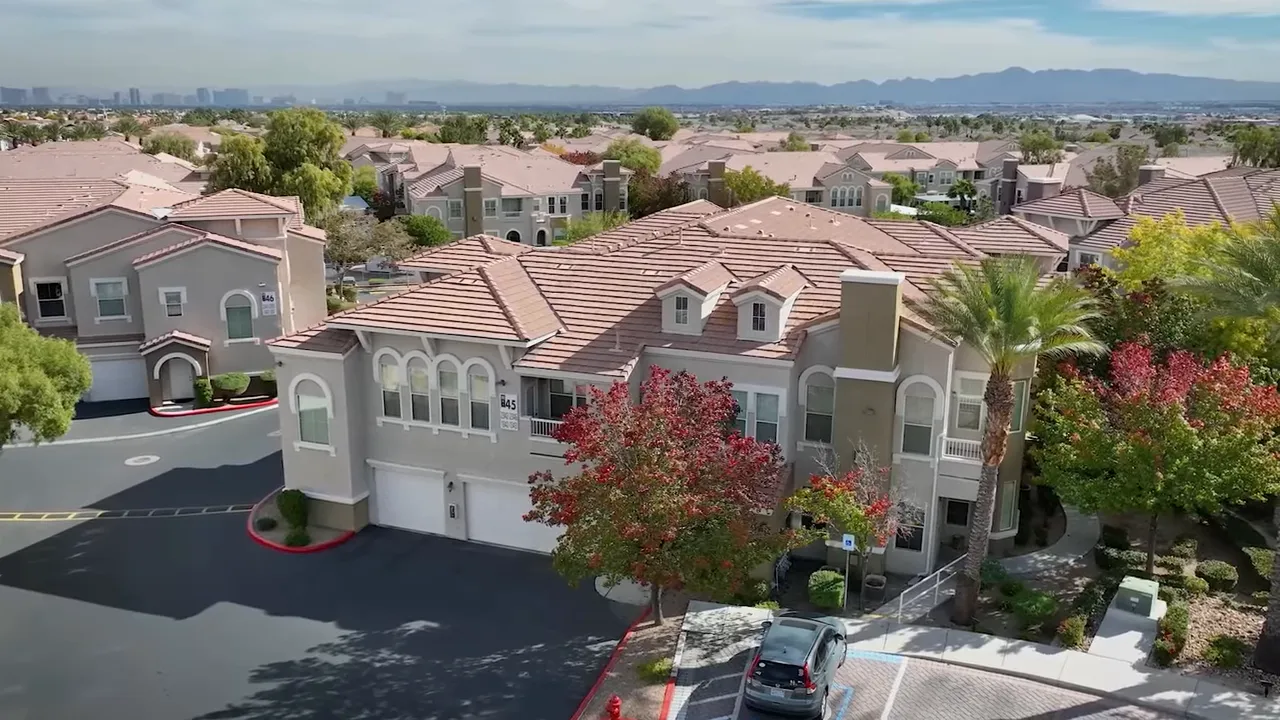
So the visual takeaway is simple:
- Townhomes are attached
- They can be one story or two stories
- The legal ownership structure matters more than the curb appeal label
That last part is where buyers get themselves in trouble.
🏢 Condos are more than just “apartments you own”
Most condos look like apartment-style buildings, and that’s usually the easy part. The harder part is understanding what condo ownership really means.
With a condo, you generally own the interior space of your unit, while the larger building structure and common areas are owned and maintained through the association setup.
That matters because condos are often treated differently by lenders.
And here’s where the real headache starts: some properties that look like townhomes are legally classified as condos.
So you may drive into a neighborhood with “townhomes” on the sign, see attached homes that look exactly like townhomes, and still have the development filed as a condo project.
That is not just a paperwork technicality. It can directly affect whether your loan works.

💰 Why ownership type matters for financing
If you’re getting a mortgage, classification matters. A lot.
Here’s the simple version:
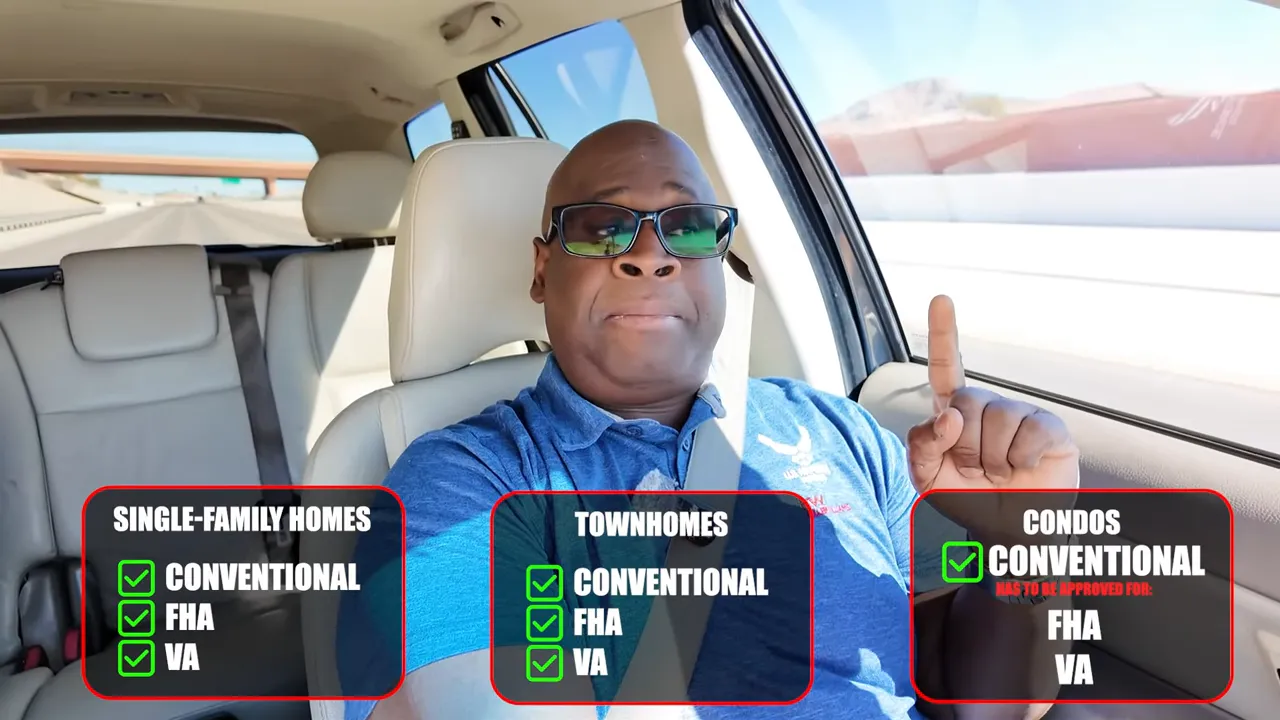
- Single-family homes generally qualify for conventional, FHA, and VA financing.
- Townhomes generally can qualify for conventional, FHA, and VA as well.
- Condos are more limited. Conventional financing is usually the easiest route, while FHA and VA often require the project to be specifically approved.
And just because a condo project is approved for FHA does not mean it’s approved for VA. Those are separate things.
This is why some buyers get deep into a deal and suddenly hit a wall. They thought they were buying a townhome with broad financing options, but the legal classification comes back as condo, and now the project approval becomes the issue.
That can slow things down or kill the deal if nobody checked it early enough.
If you want to understand condo project approvals better, HUD has a good overview of FHA condo approval rules here: HUD condominium approval resources. For VA eligibility questions, the U.S. Department of Veterans Affairs also provides guidance here: VA home loan information.
🧠 The townhome-versus-condo trap that catches buyers in escrow
This is one of those sneaky Las Vegas issues that does not get explained nearly enough.
A development can market itself like a townhome community and still be organized legally as a condominium project. If that happens, your lender may underwrite it as a condo, not a townhome.
That means:
- Different financing standards
- Possible approval requirements for FHA or VA
- A very different conversation than you thought you were having
The average buyer has no reason to know that on sight. Frankly, a lot of agents don’t catch it quickly either. That’s why it pays to verify early instead of relying on what the neighborhood sign says or what a listing casually calls it.
🏚️ House hacking is possible, but the rules matter
Everybody wants to be a mini real estate mogul these days. Buy a place, live in it, rent part of it, stack properties, build wealth. I get it.
But if you’re planning to “house hack,” you need to understand the loan rules before you start talking yourself into a bad idea.
Here’s the clean version:
- FHA and VA loans are not for buying pure investment property.
- These are owner-occupant loan programs.
- You generally need to live in the property as your primary residence.
For FHA and VA, the basic idea is that you cannot use those government-backed loans to buy a place strictly as a rental or flip. If you’re telling people your plan is to buy with FHA and immediately turn it into an investment, that is a problem.

VA and FHA occupancy standards are serious business. If your intent from day one is investment only, you need to be honest about that and use the right loan product.
Conventional financing gives you more flexibility, but there is a catch. If you’re buying an investment property with a conventional loan, expect a higher down payment requirement. In the example I discussed, the baseline point was at least 20% down for an investment purchase.
Trying to pretend you’re going to occupy a home when you already know you won’t is not some clever workaround. It’s mortgage fraud. Don’t play games with occupancy.
If you want the official lending side of occupancy and consumer mortgage rules, the Consumer Financial Protection Bureau has solid educational resources for buyers.
🏢 Duplex, triplex, and fourplex options for house hacking
Now here’s the part a lot of people should be paying more attention to.
If your goal is to live in one unit and rent the others out, the classic path is a 2- to 4-unit residential property:
- Duplex = 2 units
- Triplex = 3 units
- Fourplex = 4 units
These are still considered residential properties, and yes, this is where true owner-occupied house hacking can make sense. Live in one unit, rent the others, and you may be able to use residential financing depending on the program and your qualifications.
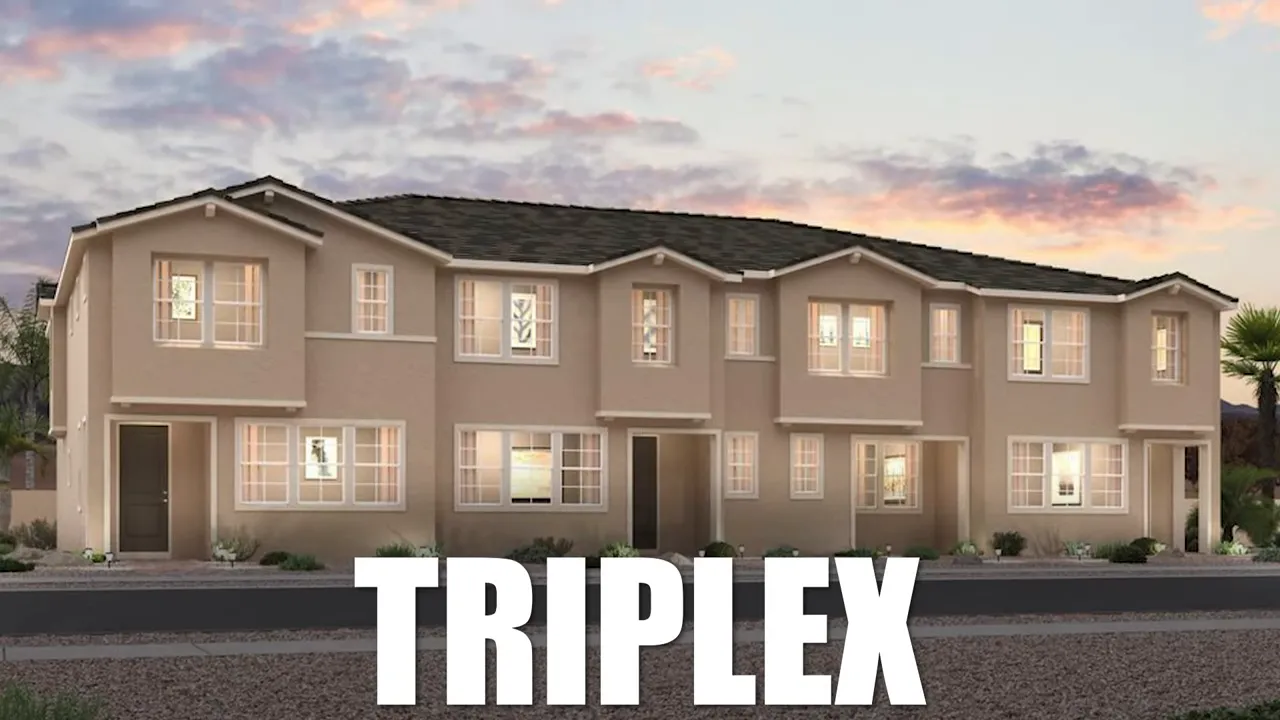
Another thing many buyers do not realize is that the loan limits can increase when you buy a multifamily residential property instead of a single-unit property. That can open doors for buyers who are trying to make the numbers work.
But multifamily is its own animal. Different underwriting, different cash reserve considerations, different rental assumptions. It’s not impossible. It just needs to be approached with your eyes open.
🚪 HOA vs non-HOA in Las Vegas: here’s the reality
Now for the subject people love to have strong opinions about: the HOA.
I hear it all the time. “I don’t want people in my business. I want no HOA.” I understand the instinct, but in Las Vegas, you need to be realistic.
Here’s the rough breakdown:
- Almost all condos have an HOA
- Almost all townhomes have an HOA
- About 73% of single-family homes in the Las Vegas Valley have an HOA
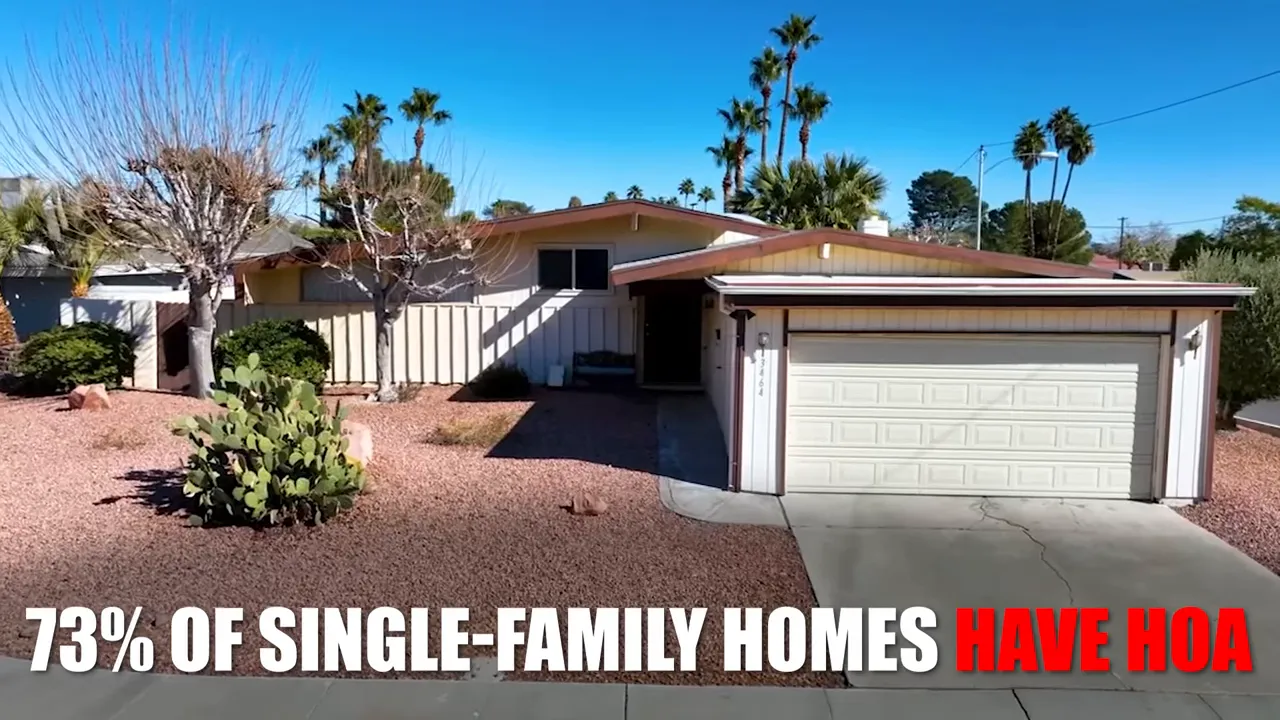
So yes, non-HOA single-family homes exist. But they’re a minority, and they tend to show up more often in older parts of Las Vegas, North Las Vegas, old Henderson, and especially some east side neighborhoods.
You may also occasionally find newer non-HOA homes, but those are usually luxury or semi-custom products that were built that way from the ground up. In the example I gave, the last development like that started at around $800,000 before the big run-up in pricing, so those homes are typically not entry-level options.
💸 What HOA fees usually cover
HOAs in Las Vegas are not all the same, and that’s important.
Some are pretty minimal. I’ve seen very low annual fees where the association basically handles a little bit of community upkeep or limited amenities.
For single-family neighborhoods, many HOA dues are still under $100 a month. In those communities, the HOA often focuses on the basics:
- Neighborhood appearance
- Rules about exterior paint and visible clutter
- Landscaping standards
- Common area maintenance
- Sometimes gates or small amenities
For townhomes and condos, the HOA usually covers more. That can include:
- Exterior maintenance
- Roof responsibilities
- Common area insurance structures
- Landscaping
- Shared amenities

That broader coverage is one reason townhome and condo HOA dues are usually higher than single-family HOA dues.
It can also affect your homeowner’s insurance. For example, if the HOA is responsible for the roof or portions of the exterior, your personal policy may be structured differently than it would be on a fully detached house.
🚨 Are gated communities actually safer?
I’m going to save some people some disappointment here.
A gate does not automatically equal security.
In a lot of Las Vegas neighborhoods, a gate is more about perception than true protection. People get let in all the time because the next car behind a resident just follows through. Folks are in a hurry, and they’re not trying to play gate patrol for the neighborhood.
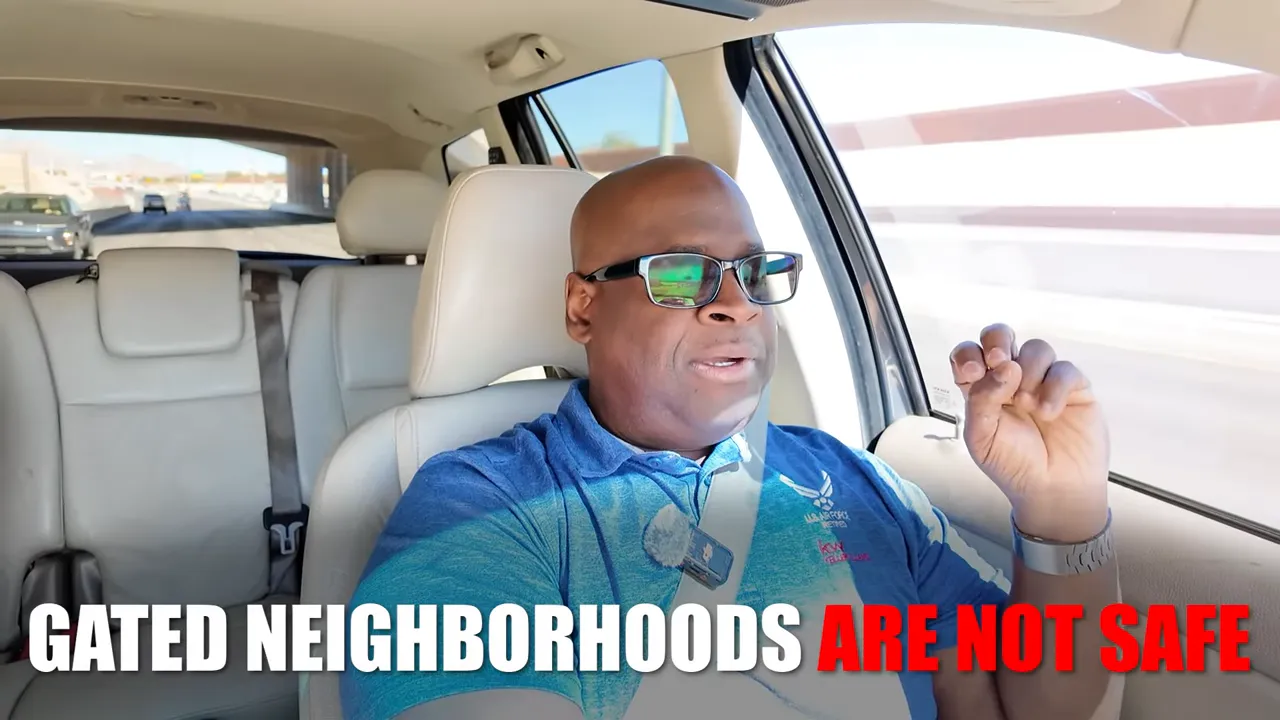
So if your only reason for paying extra is the belief that a standard gate makes the neighborhood dramatically safer, pump the brakes.
If a community has actual security patrols or is truly guard-gated, that is a different discussion. But a basic gate by itself is not some magical force field.
🧾 Are HOAs always bad? Not anymore
HOAs in Las Vegas have a rough reputation, and some of that reputation was earned years ago. There was a period when association drama got ugly. Really ugly.
That said, the landscape is not what it used to be. Most HOAs today are far more ordinary than dramatic. In practical terms, a lot of them exist mainly to prevent a neighborhood from going sideways.
Translation: they’re there to keep the place from looking chaotic.
For many buyers, that is not the end of the world. In fact, it can protect property values and neighborhood consistency. The key is not whether a home has an HOA. The key is whether the fee is reasonable and whether the rules fit your lifestyle.
If you want to review Nevada-specific HOA law, the Nevada Real Estate Division is a useful resource.
🏜️ Manufactured homes and Las Vegas high-rises count too
There are two more categories that deserve a quick mention because buyers do ask about them.
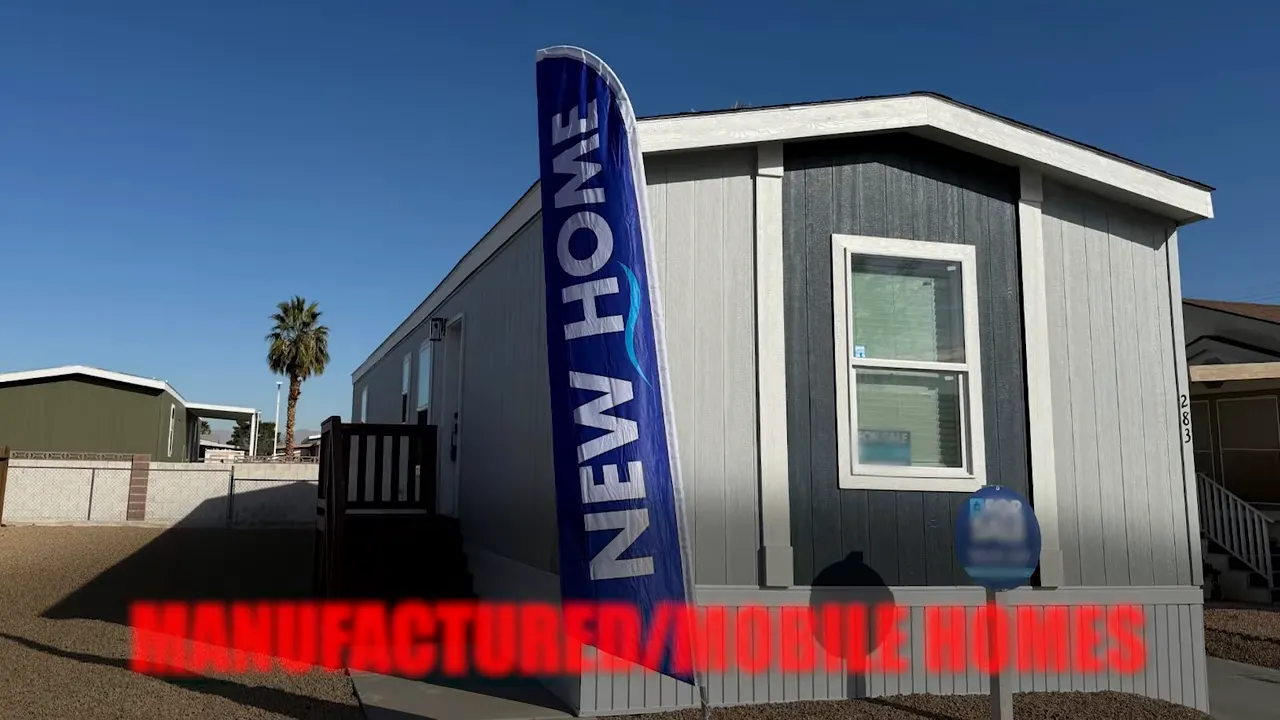
Manufactured homes
Yes, Las Vegas has manufactured housing communities, including large ones. Some people still casually call them mobile homes or double-wides. Some of these communities even have HOAs, so don’t assume manufactured housing means no association involvement.
High-rise units on or near the Strip
Those shiny towers people get excited about are generally condos from a legal and financing standpoint, even if the MLS displays them as high-rise properties. So they tend to come with condo-style lending considerations and, very often, substantial HOA dues.

If you’re shopping for a luxury lock-and-leave property, that might be fine. But if you’re comparing a high-rise unit to a house or a townhome, you need to run the full monthly cost picture before falling in love.
✅ What I want every Las Vegas homebuyer to remember
If you take nothing else away from this, remember these five things:
- Don’t assume the building style tells you the legal property type.
- Single-family, townhome, and condo classifications can affect financing in a major way.
- Some “townhomes” are legally condos, and that can change everything.
- HOAs are extremely common in Las Vegas, especially for condos and townhomes.
- If you want to house hack, understand occupancy and loan rules before you write offers.
Buying the right home is not just about bedrooms, countertops, and curb appeal. It’s about matching the property type to your financing, your goals, and the way you actually want to live.
❓FAQ
What is the main difference between a condo, townhome, and single-family home in Las Vegas?
The biggest difference is often the legal ownership structure, not just how the property looks. A single-family home is typically the most flexible for financing. A townhome is attached but may still qualify similarly to a house. A condo usually comes with more lending restrictions and association involvement.
Can a townhome be legally classified as a condo?
Yes. Some properties that look like townhomes are filed as condominium projects. That matters because lenders may treat them as condos, which can affect FHA and VA eligibility.
Do all condos in Las Vegas have HOAs?
Nearly all of them do. Condos are almost always tied to an HOA because the association manages shared structures, common areas, and building responsibilities.
Are non-HOA homes common in Las Vegas?
They exist, but they are less common. Most non-HOA homes are older single-family homes in established parts of Las Vegas, North Las Vegas, or older Henderson neighborhoods.
Can I use an FHA or VA loan to buy a rental property?
Not as a pure investment property. FHA and VA loans are intended for primary residences. If you use one of those loans, you generally need to occupy the home under the program rules.
What is the best property type for house hacking?
For many buyers, a duplex, triplex, or fourplex is the most straightforward option because you can live in one unit and rent the others, subject to loan guidelines and qualification standards.
Are gated communities safer in Las Vegas?
Not automatically. A standard gate may provide privacy and peace of mind, but it does not necessarily provide meaningful security unless the community also has stronger measures like guard access or security patrols.
The bottom line is simple: before you fall in love with a property in Las Vegas, make sure you know what it actually is. Not what it looks like. Not what the sign says. What it is legally, financially, and practically. That is how you avoid buying the wrong type of home.
Categories
Recent Posts