Why 2026 Could Be the Best Buying Window Las Vegas Has Seen in Years

Why 2026 Could Be the Best Buying Window Las Vegas Has Seen in Years

🧭 The current landscape: normalization, not collapse
Las Vegas is moving out of an extreme sellers market and into something healthier and more balanced. Inventory is up, buyers have time, and affordability is at a recent high. That combination creates a rare window of opportunity for buyers who come prepared and for sellers who adapt.
When markets normalize, noise increases: headlines that scream crash, experts who predict dramatic swings, and anxiety from people on both sides of the transaction. The reality is more nuanced. Rising inventory and slower price growth are shifting negotiating power back to buyers, but the fundamentals—homeowner equity, prudent lending standards, and local employment trends—don’t point to a repeat of 2008.

🔑 Buyers: a practical five-step action plan
If you’re in the market to buy in Las Vegas, this is likely the best position you’ve been in for years. More homes to choose from, more time to decide, and more leverage. Follow these five steps to make it count.
- Get preapproved, not just prequalified. A preapproval letter is a game-changer. It shows sellers you’re serious and removes a major contingency. Don’t delay because you’re waiting for mortgage rates to fall to 4 or 5 percent. That may not happen for years, and when rates do drop, demand will spike and you’ll face intense competition.
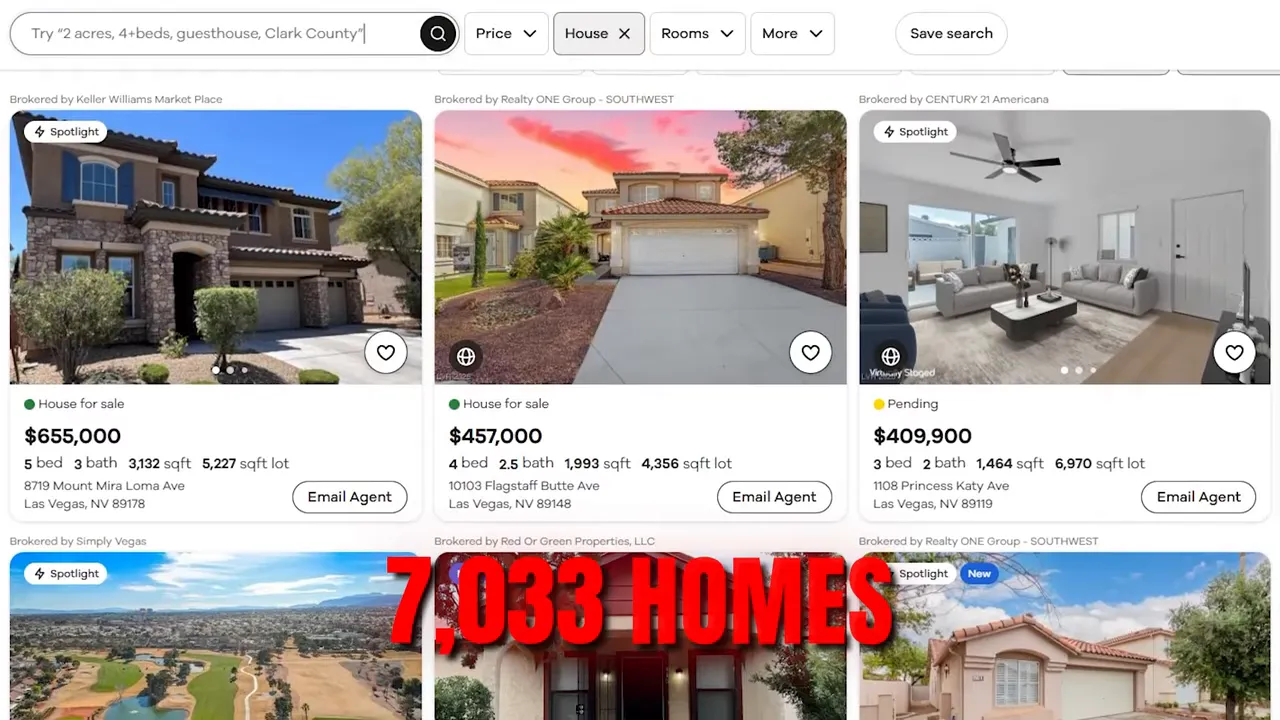
- Be selective—know your must-haves vs nice-to-haves. With roughly 7,000+ homes on the market, you don’t have to settle. Identify neighborhoods, school zones, commute limits, and resale-sensitive features. I recommend viewing about 10 to 15 properties over a 2–3 week period to narrow your list. If you need to see more than 15 homes, something is off with either your criteria or the market fit.
- Negotiate smartly, not recklessly. Sellers are more willing to negotiate than they’ve been in years. Asking for $100,000 below list price is rarely effective, but there’s room to bargain on price, closing costs, rate buydowns, and other credits that reduce your out-of-pocket expense. In Las Vegas, sellers commonly cover closing costs—plan for requests in the $8,000 to $15,000 range depending on price and lender.
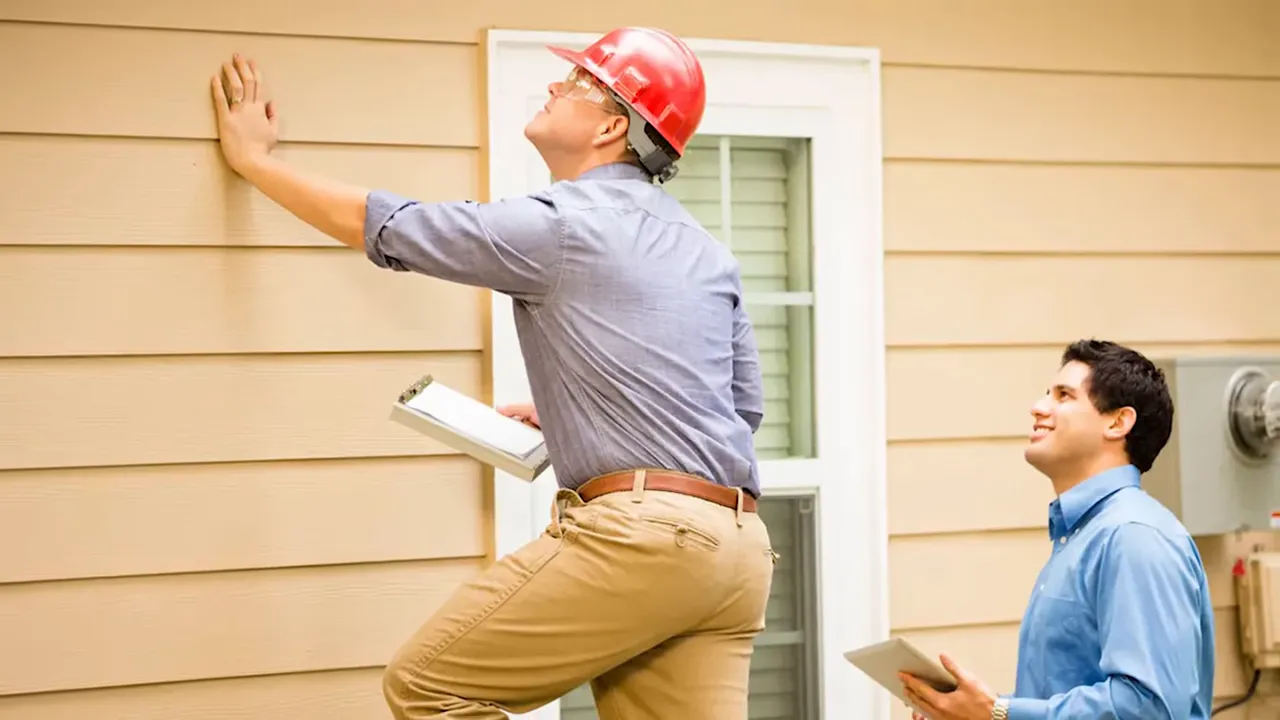
- Insist on a thorough home inspection. During the frenzy years, buyers often waived inspections to win offers. That was risky. Today, you should get a proper inspection from reputable inspectors who explain which items are critical and which are routine disclosures. If a seller refuses an inspection, take that as a red flag.
- Think long term. The average homeowner in recent years stays in their home close to 10 years. If you plan to live in a home for at least five years, buying typically beats renting from a wealth-building perspective. Homeownership forces forced savings: your loan balance declines while the home (likely) appreciates and equity compounds over time.
Small historical context matters: even people who bought in 2006—right before a major downturn—came out ahead over the long term, particularly those who refinanced during lower-rate periods. Renters didn’t get that benefit.
🏷️ Sellers: adjust your playbook for a balanced market
Selling in 2026 requires a different approach than the last two years. Buyers still exist, but they are patient and selective. Here’s how sellers win in a market with more inventory and longer average days on market.
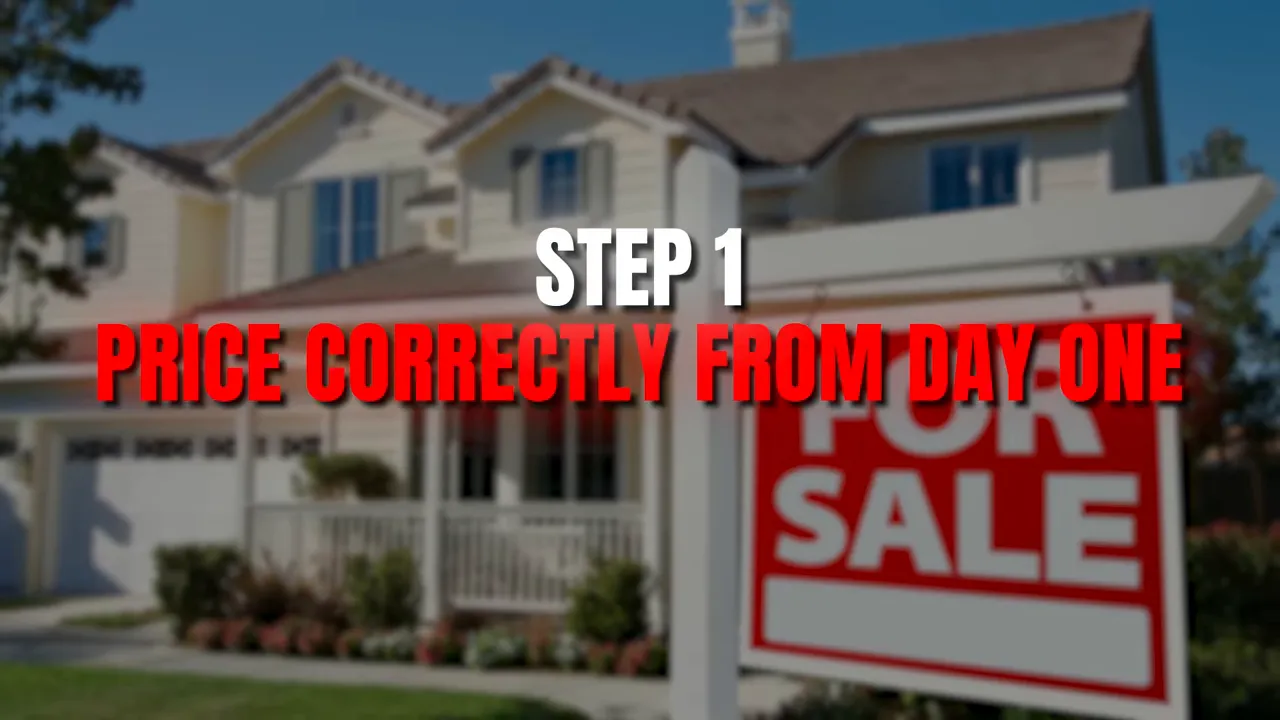
- Price it correctly from day one. There’s no “try” with pricing. Overpricing leads to long days on market—often 90 days or more—and ultimately lower offers. Pricing to the market attracts qualified buyers and creates momentum.
- Make the home show-ready. With thousands of listings competing for attention, declutter, deep clean, and stage where appropriate. Be prepared to show on short notice and resist placing excessive restrictions on showings.
- Be flexible and realistic in negotiations. If comparable homes are offering closing cost credits or concessions, buyers will expect the same. Refusing reasonable concessions can cost you offers. Think about the net proceeds to your pocket, not only the headline price.
- Work with an agent who knows the neighborhood. Don’t choose an agent based only on the lowest commission. Choose someone who can market the home properly, price with data, and manage the negotiation to maximize your net.
- Understand timing and patience. Expect the average single-family home to take roughly two months to sell right now—66 days is a reasonable benchmark. Condos and higher-end homes often take longer; condos currently show about 6.9 months of inventory in many areas.
🔮 Five realistic predictions for Las Vegas in 2026
Forecasts are always imperfect, but based on current trends and local fundamentals, these are the developments I'm expecting to see:
- Inventory will remain elevated and likely rise with spring. Spring typically brings fresh listings. Expect more choice and continued normalization. That will keep price appreciation muted.
- Local economic signals will matter most. Vegas is a tourism and service-driven economy. If unemployment rises and tourism softens further, housing demand could weaken. Conversely, stable job growth will support housing.
- Mortgage rates will likely hover in the 6 to 6.5 percent range. The Fed may cut rates gradually, but those moves do not always translate into proportionate mortgage rate declines. If you are waiting for a return to 4 percent mortgage rates, prepare for a long wait.
- Negotiating power will shift—buyers will have the edge more often. We have moved away from a seller-dominant market. Buyers will enjoy more time to compare options and stronger leverage to negotiate concessions.
- No repeat of a foreclosure wave or 2008-style collapse. Homeowner equity is strong for many Las Vegas households. Lending practices are stricter now, and the economic stressors are different. A correction or flattening of prices is possible, but systemic collapse is unlikely.

💡 Practical negotiation tactics and things most people miss
Here are tactical moves that can make the difference between a good deal and a frustrating missed opportunity.
- Ask for closing cost credits instead of pushing down list price. This can help you reduce your cash to close and enable rate buydowns. Sellers often prefer a slightly higher sale price plus a credit to a lower outright discount.
- Shop lenders but lock one in for the transaction. Don't randomly use the first lender you talk to. Preapproval with a dependable lender strengthens your offers and speeds closing. Make sure your lender understands local practices around earnest money and contingency timelines.
- Use inspection reports strategically. A good inspector will separate major structural and safety issues from minor cosmetic items. Request repairs or concessions for genuine safety and systems failures, not every worn faucet or cosmetic blemish.
- Target homes that have lingered 60 to 90 days. Sellers with properties on market this long are often more motivated. That can translate into better terms for buyers, but always confirm why the home hasn’t sold—sometimes it's price, sometimes it's condition or location.
📈 The long-term view: why ownership still builds wealth
Homeownership isn’t a short-term speculation. Over the span of years, mortgage payments reduce principal, homes tend to appreciate, and equity amplifies net worth. Data show that even buyers who purchased before downturns and held through cycles ended up with meaningful wealth accumulation—particularly those who refinanced at lower rates when available.
If you can afford a home and plan to stay at least five years, buying is frequently the right financial decision. Renting may appear cheaper month-to-month in some cases, but it doesn't deliver the forced savings and potential appreciation that homeownership does.

🔍 Local matters: neighborhoods, price bands, and microtrends
Real estate is hyperlocal. What’s happening at the metro level doesn’t uniformly apply to every neighborhood or price tier. Some areas may see flat or slightly declining prices while others continue modest appreciation. High-end luxury properties and condos behave differently from entry-level single-family homes.
When making a decision, dig into neighborhood-level metrics: days on market, pending ratio, comparable sales in the last 30–90 days, and active inventory. That will give you the clearest picture of what to expect for timing and pricing.
📋 Final thoughts and a simple checklist
In short, the Las Vegas market is transitioning to balance. That creates opportunities for prepared buyers and demands new strategies from sellers. Here’s a checklist you can use right now.
- Buyers: Get preapproved, define your list of must-haves, see 10–15 homes, negotiate smartly, get an inspection, and plan to hold for at least 5 years.
- Sellers: Price right from day one, make the home show-ready, be flexible in negotiations, choose an agent who understands your market, and expect longer days on market than the peak seller era.
- Both sides: Watch local employment and tourism data, expect mortgage rates to stay around 6 to 6.5 percent through 2026, and don’t let fear or headlines drive your decision.
❓ Frequently asked questions
Is the Las Vegas housing market crashing?
The market is not crashing. It is normalizing. Inventory has increased and price appreciation has slowed, but homeowners hold healthy equity and lending remains prudent. Expect moderation and selective price flattening in some segments rather than systemic collapse.
Should I wait for mortgage rates to drop to buy?
Waiting for a return to 4 percent mortgage rates could take years. If you can afford to buy and plan to stay at least five years, buying now often makes sense because you lock in a home and begin building equity. When rates fall in the future, you can always refinance.
How long will it take to sell a typical Las Vegas home?
Average days on market are around 60 to 66 days for single-family homes currently. Condos and higher-end properties typically take longer. Be prepared for those timelines when planning your move.
Can buyers ask sellers to pay closing costs?
Yes. In many Las Vegas transactions sellers are covering closing costs, often in the range of several thousand dollars. Asking for closing cost credits or rate buydowns is a common negotiation strategy in the current market.
Will foreclosures spike in 2026?
No widespread wave of foreclosures is expected. Most homeowners have significant equity, lending standards remain tight, and while the economy softens, it is not collapsing. The conditions that produced the 2008 foreclosure crisis are not present.
📣 Closing note
Normalizing markets are healthy markets. They give buyers the time and leverage to make rational decisions and give sellers who price and present well a fair shot at good outcomes. Focus on data, neighborhood specifics, and a strategy that fits your timeline. Real estate is a long-term endeavor—make decisions that reflect that horizon rather than short-term headlines.
If you’re actively buying or selling, follow the checklist above and work with someone who knows the local market intimately. That’s the single best way to convert this window of opportunity into a successful transaction.
Categories
Recent Posts