The Truth About Realtor Commissions and Who Really Gets Paid in the Home Buying Process

The Truth About Realtor Commissions and Who Really Gets Paid in the Home Buying Process

If you are buying a house and you want the real story, not the polished brochure version, here it is. Real estate is full of people telling you what is “best” for you. Sometimes it is. Sometimes it absolutely is not. And the fastest way to understand the difference is to understand how everybody gets paid.
That is the whole game.
People work for a paycheck. That does not automatically make them bad people. It does mean their compensation affects their advice, their urgency, their recommendations, and sometimes what they mysteriously forget to mention. If you understand the money, you understand the motivation. And if you understand the motivation, you can protect yourself a whole lot better during the home buying process.
This is part of the bigger home buying process conversation. First, I talked about your motivation. Then I covered some of the loan side. Now it is time to pull back the curtain on everybody else in the deal.
🏡 Real estate agent commissions used to be simple. Now they are not.
For years, most people had a rough idea of how commissions worked. A listing agent would negotiate a commission with the seller. Maybe it was 5%, maybe 6%, maybe something else. Commissions are negotiable, always. That part matters.
Using a simple example, if a home sold with a 6% commission agreement, the listing side would often split that with the buyer’s agent. So maybe 3% to the listing side and 3% to the buyer’s side. That was the old system most people were used to seeing.

Now things have shifted. Under the newer rules and changes that came out of the commission lawsuits, the buyer’s agent compensation is no longer just automatically baked into the MLS the way many people assumed it was. In practical terms, the buyer’s agent now has to negotiate compensation, and technically the buyer is the one responsible for their own representation.
What happens in the real world is that buyers often ask for that compensation to come from the proceeds of the sale. So the structure changed, but the economics of housing did not magically reset overnight. For more than a century, commissions were baked into pricing. A lawsuit does not erase that history with a snap of the fingers.
The important takeaway is this: ask clearly how your agent is being paid, who is paying it, and what happens if the seller does not agree to cover all or part of it.
💼 The commission number you hear is not what the agent keeps
One thing a lot of people miss is that agents do not just pocket whatever commission amount gets thrown around in conversation.
There are broker splits. There are franchise fees in some cases. There are referral fees. There are marketing costs. There are transaction fees. There are a lot of little mouths getting fed before the agent sees the final number.
That matters because buyers and sellers will hear a big commission figure and assume the agent is making a fortune. Sometimes the gross number sounds big. The net number is another story.
That does not mean you should not negotiate. It means you should understand the structure before assuming anything.
Watch out for the “cheap listing” trap
I also need to say the quiet part out loud. Some agents market themselves as super low-cost listing agents. You will see versions of “I’ll list your home for 1%” or something equally flashy.
Sounds great, right?
Maybe. Maybe not.
In a lot of those cases, the real play is trying to represent both sides of the deal and make money as the buyer’s agent too. That is where the “double dip” temptation comes in. If an agent is engineering a transaction so they can pick up both sides, that may not line up with the seller’s best interest.
If your listing agent is more focused on controlling the whole transaction than exposing your home to the best buyers, you have a problem.
💰 Lenders have motivation too, and it is not mysterious
Lenders are not in this for charity either. They generally make money based on the loan amount. The rough figure I gave was about 1.5% of the loan value.
So if you buy a $500,000 house and borrow $400,000, they are getting paid off that $400,000 loan.
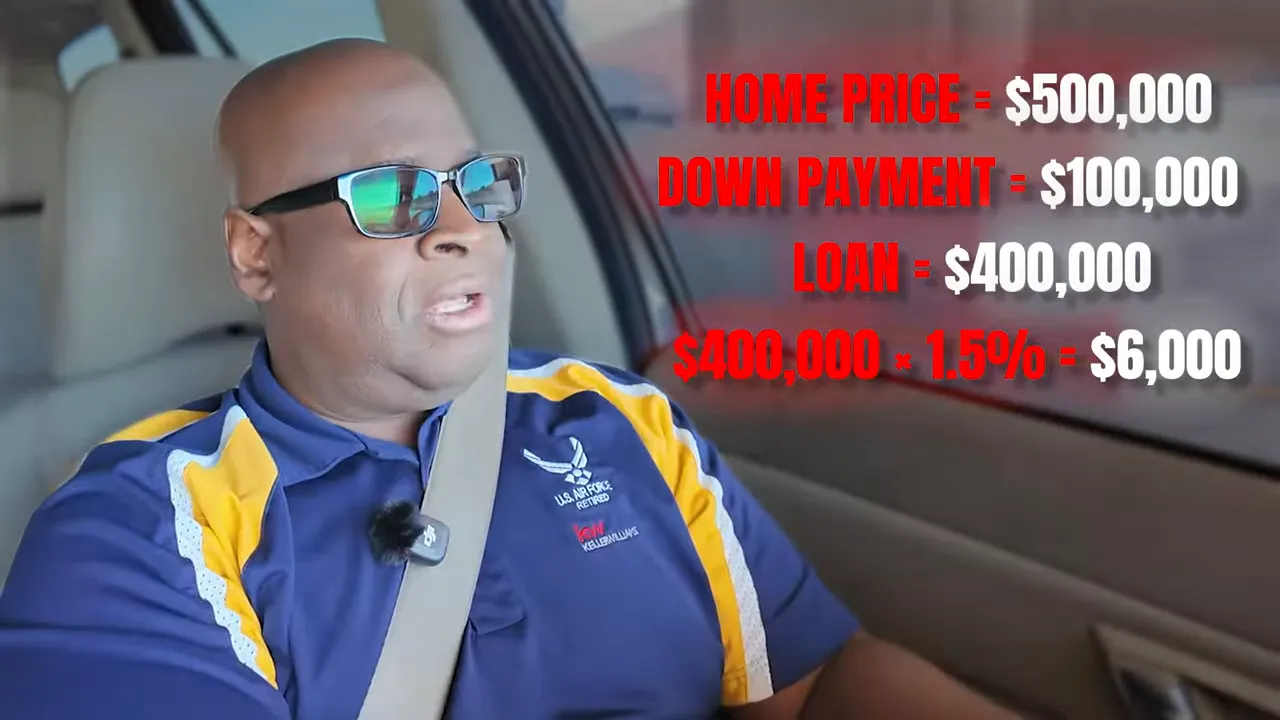
This is why lenders naturally want to keep the loan alive and why they are motivated to get you financed. It is also why, if you are paying cash, there is no paycheck for them. If you are on the fence between cash and financing, just understand they have a very clear financial incentive to steer you toward the loan.
That does not automatically mean a loan is wrong. It means you need to separate good advice from paid advice.
📄 Title and escrow companies quietly make a ton of money
This is one of the least understood parts of the home buying process, and honestly, one of the most overlooked.
Depending on where you live, your closing may run through a title company, an escrow company, or an attorney. Broadly speaking, many western states are escrow states and many eastern states are attorney states, with some exceptions and overlap.
Whatever the structure, somebody is handling the money, the documents, and the legal transfer process.
Escrow is there to make sure everybody performs. The seller gets paid. The buyer gets the property. Funds do not go flying around all over the place unsecured.
Title insurance is there to protect against defects in title. In plain English, if some old legal issue pops up later, title insurance is supposed to help make that right.
That could be an old claim, an unknown heir, a forgotten easement, or some buried legal right attached to the land from decades ago. Weird things happen in real estate. That is why title insurance exists.

There are usually two types involved:
-
Owner’s title policy, which protects the buyer
-
Lender’s title policy, which protects the lender if there is a mortgage
And no, there usually is not much of a way around this. It is one of those costs that shows up and has to be handled. In the example I gave, title insurance can commonly land somewhere around $3,500 to $5,000, depending on the property and market.
What makes this category interesting is how aggressively title and escrow companies court agents for business. You will often see language in listings implying the seller has already “opened escrow” at a certain company. In practice, there is often a lot of influence and pressure behind which company gets selected, because there is serious money in it.
And if title and escrow get split between separate companies, costs can increase in ways people were not clearly warned about upfront.
🛡️ Insurance is not just a requirement. It is a business machine.
Everybody knows you need homeowner’s insurance. What a lot of buyers do not realize is that insurance is also a huge business with its own referral ecosystem, incentives, and profit motives.
If you have ever bought a house and felt like nobody was really helping you comparison shop insurance, there is a reason for that. Banks and lenders often have preferred relationships, and there can be referral benefits or kickbacks tied into those networks.
Again, same pattern. Follow the money.
You can also see how much this matters by watching what happens in places where insurers stop making enough money. In high-risk states like California, companies have tried to pull back or leave because the payout side got too heavy. Their business model is profit. When that gets squeezed, they react fast.
So yes, shop your insurance carefully. Do not assume the easiest path is the best path.
🏛️ Governments get paid every time property changes hands
Local governments love real estate taxes because real estate taxes fund a whole lot of what makes a city run. Schools. Police. Local services. Infrastructure. That money has to come from somewhere.
There are also transfer taxes when property changes ownership. In many resale deals, the seller pays them. In new construction, the buyer may be on the hook.

The example range I gave was roughly $1,500 to $3,000, though of course that can vary. If you are buying a new build, make sure you know whether the builder is covering any of your closing costs, because that can determine whether this lands in your lap.
And yes, people are absolutely feeling the pressure from rising property taxes and insurance costs. That is one of the biggest affordability squeezes in housing right now.
📞 Referral fees are one of the dirtiest little secrets in real estate
This one gets people fired up, and for good reason.
Almost half of all real estate transactions involve some kind of referral. A whole lot of people assume referrals are just professional courtesy. They are not. Usually somebody is getting paid.
Typical agent-to-agent referrals may be around 25% of the commission. That is the low end.
Referral companies? They often start around 35% and can go as high as 47%.
Read that again.
If somebody sends a lead to an agent through a referral platform, that platform can take a huge bite out of the commission. So when a lender, website, relocation company, or big platform says, “We can connect you with one of our top agents,” understand what may be happening behind the curtain.
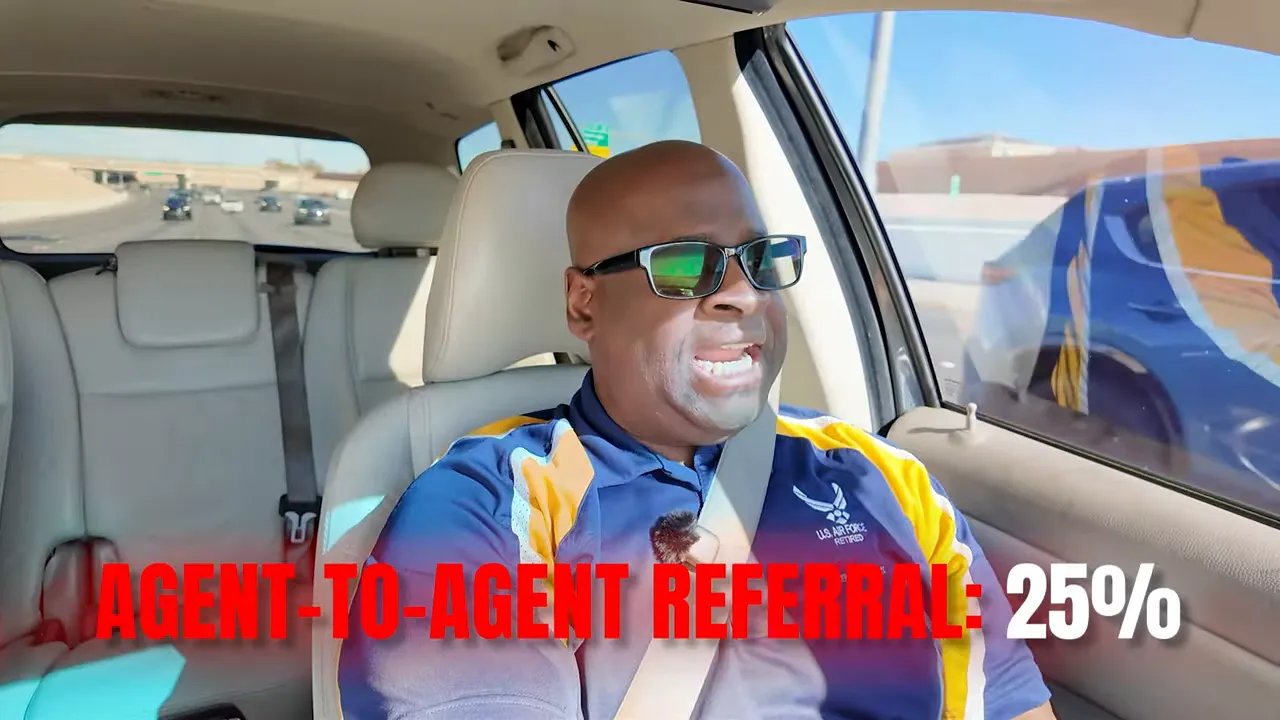
That referral fee changes behavior. It has to. If an agent owes away 35% to 47% of the commission, do you really think that has no effect on pricing, service, negotiation, or advice?
Come on. Talk to me like I’m 3 years old. Of course it does.
Why lenders push “their” realtor
Ever have a lender ask whether you are already working with a real estate agent? If you say no, they may suddenly have someone wonderful to recommend.
Why?
Because if they can make money on the loan and pick up a referral fee from the real estate side, that is a much better business model for them. It also helps them protect the loan by keeping the whole process inside their preferred ecosystem.
That can become a real problem if the “recommended” agent is being nudged to keep you away from choices that are bad for the lender’s business, even if those choices might be better for you.
I gave an example of a buyer who wanted to sell his house and buy a new build. The lender’s side wanted control over who handled the transaction because they wanted the referral fee and wanted to protect the financing arrangement. That is not a small conflict. That is a giant one.
🚚 Corporate relocation programs can be brutal
If your employer has a relocation benefit and says they have a network of agents ready to help, do not assume that means it is automatically a great deal for you.
Some of these relocation companies charge agents up to 47% just for the privilege of helping you.
And it gets worse.
Even if you choose your own agent, these companies may still try to insert themselves and demand a referral agreement from that agent just because you work for a company with a relocation plan. They may pressure the agent into signing, knowing that even if the legal footing is shaky, they can make the fight so expensive that the agent caves anyway.

That is how ugly this business can get.
So if you are relocating for work, ask these questions:
-
Is my agent paying a referral fee to this relocation company?
-
How much?
-
Does that affect my costs or service?
-
Am I required to use their network agent to receive benefits?
🌐 Lead-gen websites are not doing favors out of kindness
You know those websites that promise to connect you with the best realtors? Same story.
Some of these companies do not just refer you once and move on. They track you, your transaction, and sometimes even future opportunities tied to your name. If you later buy, sell, or refer a friend through that same network trail, they may still be trying to collect.
That is why some of them keep checking in. It is not because they are worried about your happiness. It is because they are protecting their referral pipeline.
And again, if an agent has to surrender 35% of the commission to a lead platform, that money has to come from somewhere. So when a company advertises huge discounts while taking giant referral bites from agents, use common sense. The math does not magically disappear.
🚪 The second you close, the sales vultures show up
This part almost feels like a conspiracy until you buy a house and see it for yourself.
The moment you close, it is like every industry in America suddenly knows your address.

Here comes:
-
Alarm companies
-
Solar companies
-
Closet companies
-
Window treatment companies
-
Home improvement offers
-
Insurance solicitations
-
Mailers pretending to be official documents
Alarm companies will tell you danger is around every corner and try to put you in a 3- to 5-year contract.
Solar companies can be even slicker. They will show up with scary utility projections and tell you your electric bills are about to explode, then slide you into a contract that may not save you what you think and may make your home harder to sell later.
And your mailbox? It is going to be overflowing with people who assume that if you just bought a house, you must also have piles of cash for custom closets, blinds, upgrades, and every other add-on under the sun.
You probably just spent a ton of money buying the house. But the marketing machine does not care.
Watch out for fake official notices
One of the worst post-closing gimmicks is the mail that makes something simple sound urgent and official. A classic example is a notice saying you need to file your homestead exemption and offering to do it for a fee, maybe $99.
In the example I gave, filing that exemption is free.
So before you pay anybody after closing, stop and verify whether that thing even costs money in the first place.
🧠 How to protect yourself when buying a house
None of this means you should distrust every person in real estate. It means you should stop being naive about the incentives.
If you want to be smarter than the average person going through a transaction, do these things:
-
Ask every professional how they are being compensated. Not vaguely. Specifically.
-
Ask whether any referral fees are involved. That includes lenders, agents, relocation companies, and websites.
-
Read who is paying for what. Buyer agent compensation, transfer taxes, title fees, closing costs, all of it.
-
Be skeptical of “preferred” vendors. Preferred by whom and for whose benefit?
-
Do not confuse convenience with value. A one-stop shop can be helpful, but it can also be designed to monetize you from every angle.
-
Question discount marketing. If somebody in the chain is taking 35% to 47%, the savings story may not hold up.
-
Ignore pressure tactics after closing. Especially if they rely on fear, urgency, or official-looking mail.
Real estate is a huge part of the U.S. economy. A lot of hands touch one transaction. A lot of people are trying to earn from it. The more you know, the less likely you are to get played.
❓FAQ
Are Realtor commissions fixed?
No. Realtor commissions are negotiable. The amount can vary based on what the seller and listing agent agree to, and buyer agent compensation can also be negotiated under the newer rules.
Who pays the buyer’s agent now?
Technically, the buyer is responsible for their own agent’s compensation, but buyers may still ask for that money to come from the proceeds of the sale through negotiation with the seller.
How do lenders make money in a home purchase?
Lenders generally make money based on the loan amount. A rough example used here is about 1.5% of the value of the loan, which is why they are motivated to keep the financing in place.
What do title and escrow companies do?
Escrow helps manage the transaction so the money and documents are handled properly, while title insurance protects against legal defects or hidden claims attached to the property.
What is a real estate referral fee?
A referral fee is money paid by one agent or service provider to another company or agent for sending a client. Agent-to-agent referrals might be around 25%, while referral companies can take 35% to 47%.
Why do lenders or websites push their preferred agents?
Because they may earn referral fees and also keep the transaction inside a system they control. That can create conflicts of interest if the advice you get is designed to protect their business first.
Do corporate relocation programs always help the buyer?
Not always. Some relocation programs charge very high referral fees to agents, and that can affect how the transaction is structured and how much flexibility exists in service and pricing.
Should I trust post-closing mail that looks official?
Not automatically. Some companies send official-looking notices for services that may be free or unnecessary. Always verify with your county, lender, or trusted real estate professional before paying anything.
🔍 Final thought
If you remember only one thing, remember this: motivation explains behavior.
The real estate agent has motivation. The lender has motivation. Title has motivation. Insurance has motivation. Referral companies definitely have motivation. Government has motivation. The door-knocking sales people after closing have motivation.
That does not mean the whole industry is evil. It does mean you need to stop assuming everybody at every step is acting like a fiduciary saint.
Buying a house is one of the biggest financial moves most people will ever make. You should know exactly who is getting paid, how they are getting paid, and whether that payment structure is shaping the advice you are receiving.
That is how you become the expert in your own deal. And frankly, that is how you avoid getting hustled.
Categories
Recent Posts