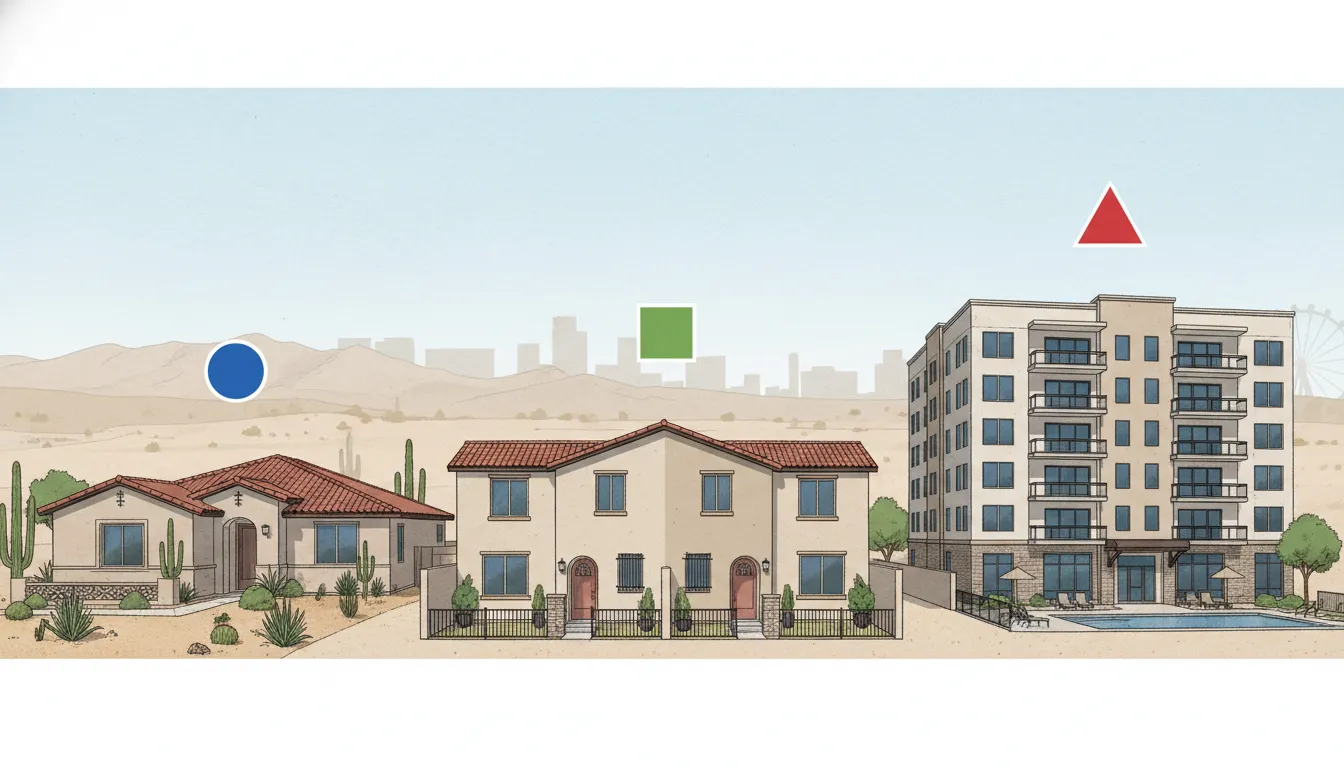
Why Homes Aren’t Selling and What Sellers Are Doing Wrong

Why Homes Aren’t Selling and What Sellers Are Doing Wrong
I disappeared for a minute because my truck was in the shop, but I’m back and straight to the point: the market is behaving differently and a lot of sellers are surprised when their homes sit. I talk to buyers and sellers every day, and patterns keep repeating — price games, relisting tricks, and ignoring new-construction incentives are costing sellers real money. Here’s what you need to know right now to stop guessing and start selling.

📉 The mixed market signals I’m seeing
Some months the numbers scream one thing while transactions tell another story. Recently I saw a strange combo: overall market indicators dipping while closed sales ticked up. That sounds encouraging until you dive into the details and realize inventory behavior and buyer expectations have changed.
What matters for a seller is not just a headline about “sales up” or “market down.” It’s the local, comparable activity around your property and how buyers are viewing and comparing every single listing. When sellers assume old rules still apply they get stuck with a property that won’t move.
🔁 “Days on Market” tricks don’t work like they used to
One of the oldest plays in the book was to take a listing off the market, tweak the price, then relist it so the clock resets and the listing looks fresh. That trick used to fool casual browsers and sometimes buyers. Not anymore.

In open-record states, all the listing history is discoverable. Sites that aggregate MLS data let buyers drill into price history and days-on-market. Buyers see every delist and price reduction. When a buyer sees a house that’s been relisted repeatedly and dropped in price multiple times, it raises red flags. Those red flags shrink your leverage and encourage low offers.
🏷️ Pricing is the single biggest determinant of early success
Listings that sell quickly almost always started at the right price. Listings that languish tend to start too high, or they’re priced based on emotion rather than competition. Sellers often say, “I want to list where homes used to sell,” or “Let’s test the market.” That lets buyers test you instead.
If nobody is walking through your door, or you’re not getting offers — you are priced out of the market. Adjusting to what comparable homes are selling for, not what they were listed for, matters. Sales set the market, not list prices.
🕵️ Zillow and other portals have become the great equalizer
Zillow and similar portals aren’t perfect, but they give buyers unprecedented access to listing history, tax estimates, and comps. Many sellers assume listing-platform quirks will hide the truth; buyers know the workarounds. A quick dropdown or a deeper inspection reveals relists, price cuts, and how long a property has actually been marketed.
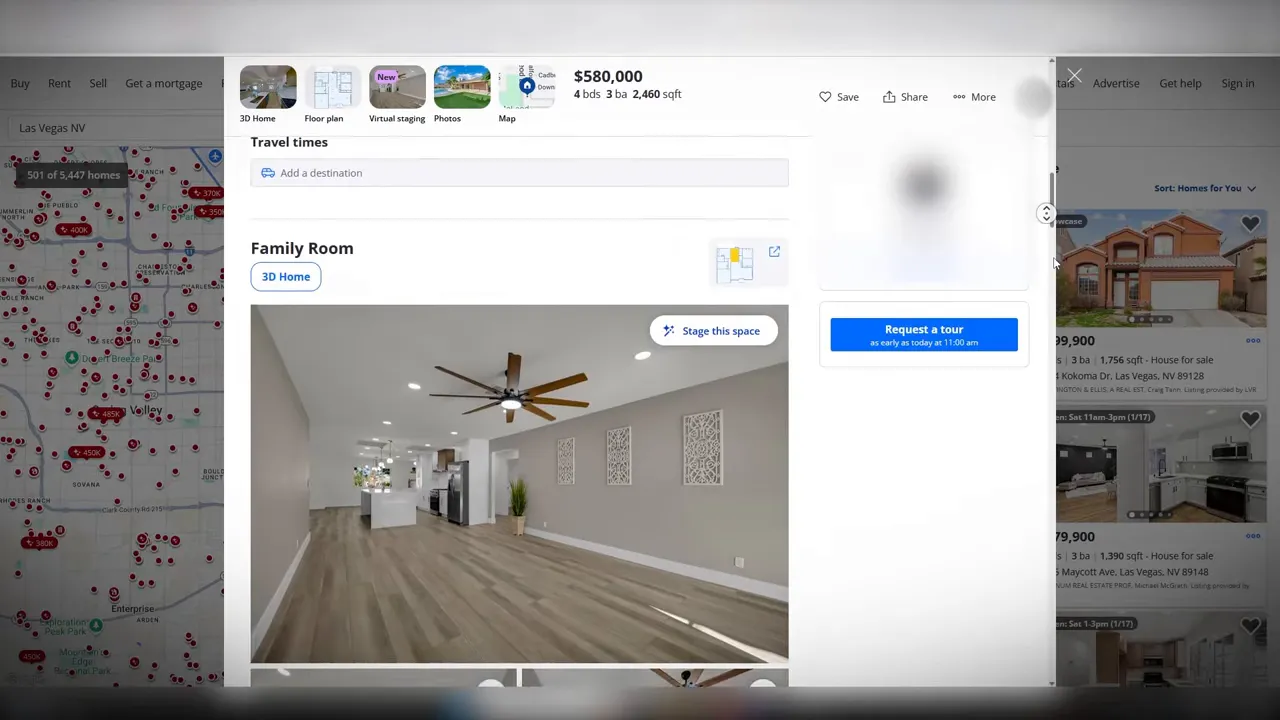
Portal dynamics also change how eyeballs move. Companies now prioritize promoted placements and premium packages. If your agent isn’t strategically spending marketing dollars or understanding how to get exposure without wasting money, your listing can get buried while other agents buy clicks and placements.
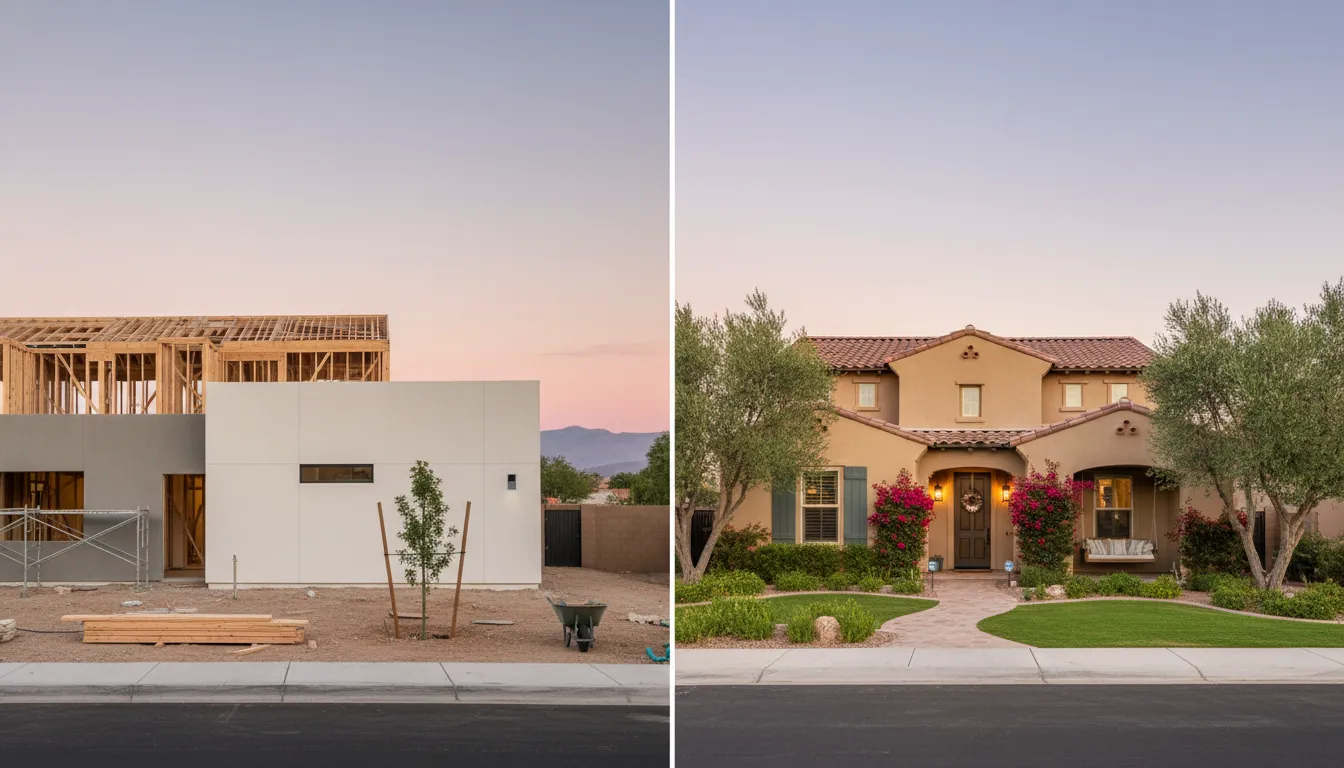
🏗️ New construction incentives are changing buyer math
One of the biggest shifts sellers must recognize is the power of builder incentives. Right now builders are offering aggressive rate buydowns, upgrade credits, and closing-cost assistance. In some cases, a new home with similar square footage and finishes can end up costing a buyer the same or less than a resale — and it comes with brand-new appliances, warranties, and developer financing perks.
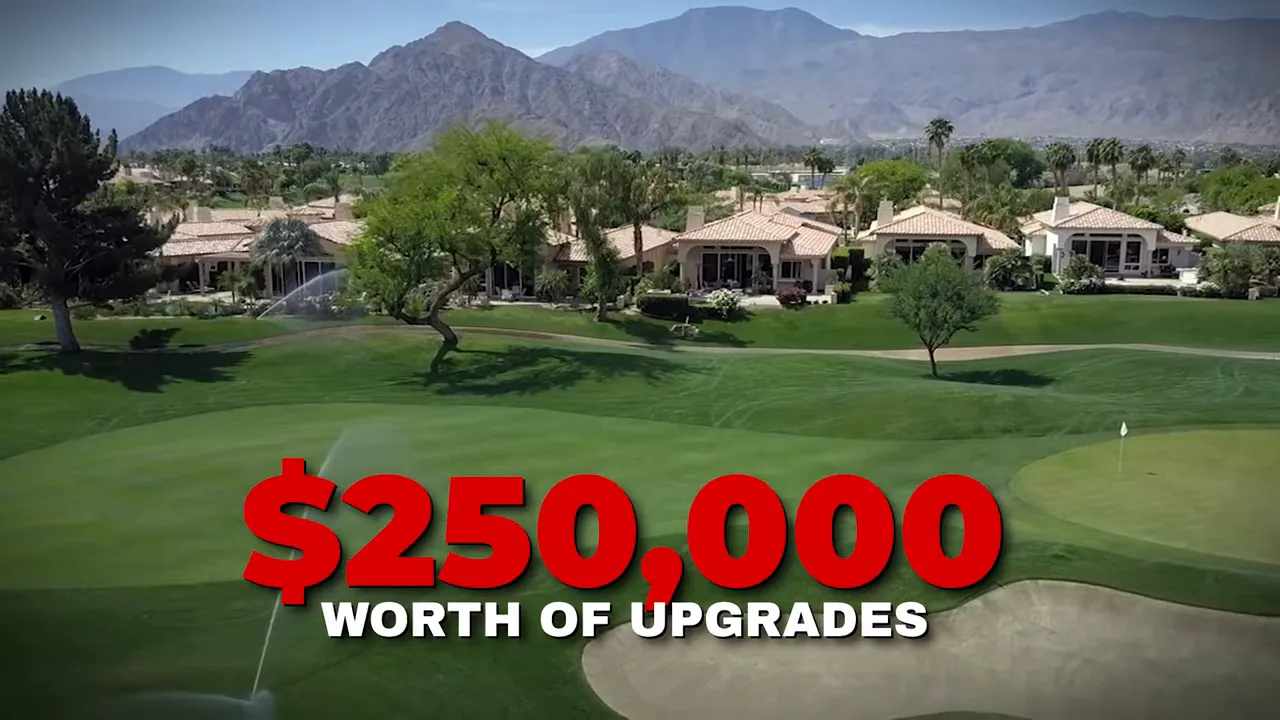
Buyers compare total value. If a new build offers a 3.5 to 5 percent effective interest rate via buydown and a generous upgrade allowance, a resale home priced even modestly lower can look less attractive. Sellers need to understand those packages and position their home accordingly.
💸 Interest rates and the “buydown” arms race
Interest rates shifting below 6 percent caused emails and excitement, but builders in many markets are offering sub-5 percent effective rates on new inventory through temporary buydowns or special loan products. That means your competition isn’t just other resales — it’s well-funded builders who can offer lower monthly payments plus cosmetics and coverage.
When builders can make monthly payments look significantly lower for the first few years, buyers who are qualifying on payment, not list price, will lean toward new construction. If you want to win over those buyers, consider seller-paid rate buydowns or being flexible with closing-cost contributions.
💡 How sellers should position a home today
Positioning counts more than ever. Here are practical moves that help listings attract attention and offers:
- Start at a competitive price. Use recent sold data, not old list prices, to set expectations.
- Be transparent and proactive about comparables. Buyers will find the truth; show you understand the market instead of pretending it doesn’t exist.
- Consider limited seller concessions. Rate buydowns, closing help, or small upgrade credits can bridge the gap to new-construction offers.
- Upgrade the marketing mix. Premium photos, floor plans, and targeted placements matter. Understand how Zillow, Homes.com, and other portals boost listings and where your agent spends marketing dollars.
- Don’t rely on delist/relist tactics. Those moves are visible and often detrimental.
- Think like a buyer. If a buyer can get new appliances, warranties, and a lower first-year payment from a builder, what would convince them to choose your home?
🔍 Real examples that explain what I mean
I represented a buyer in a neighborhood where every property we toured was listed as being on the market for under a month — but the true history showed six months of activity, multiple delists, and price drops. Sellers and their agents were using relist tricks to make the inventory look fresh while quietly reducing expectations.
Meanwhile, a nearby builder was offering huge upgrade credits. A two-million-dollar listing down the street had a massive upgrade allowance from the builder that effectively made the new model irresistible for buyers comparing options. That resale had to compete not only on price but on perceived value. If you’ve poured money into upgrades and those same features are being bundled free or heavily discounted by a builder, you must rethink your strategy.
🛠️ Practical checklist for sellers
- Run a true sold-comp analysis. Focus on final sale prices, not initial list prices.
- Ask your agent how your listing appears on portals. What is the price history? What tags or badges will attract attention?
- Decide whether to offer rate buydown credits, closing-cost help, or a small upgrade allowance. Model the impact on net proceeds vs. the increased probability of a sale.
- Replace the relist habit with genuine adjustments. If the market says lower, do it quickly and publicly.
- Invest in professional listing photos, a floor plan, and a targeted ad budget. Sometimes a relatively small marketing spend unlocks major visibility.
🤖 Is your listing optimized for how buyers search now?
People are not searching the same way they did five years ago. Some are using traditional search engines, others are turning to voice assistants and AI-based tools. That means listing descriptions, headlines, and structured data matter.
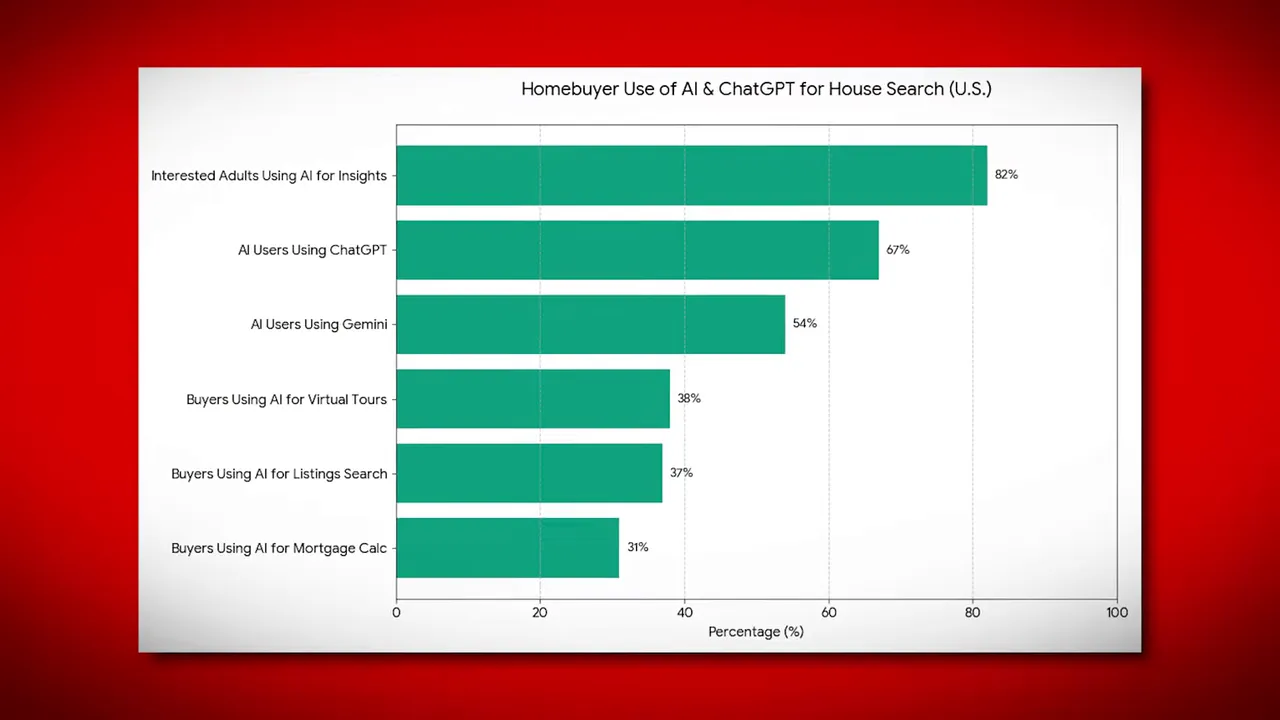
Ask your agent if your listing is optimized for SEO and for conversations that stem from AI tools. Are you using clear, searchable terms for neighborhoods, school names, and key features? Is your headline attention-grabbing? These small adjustments increase the chance an interested buyer discovers your home organically without sponsored placement.
📣 The reality sellers must accept
Buyers are better informed than ever. They see the full history, the price trajectory, and builder incentives all in one place. As a seller, clinging to old tactics only prolongs the sale and reduces your eventual net. The market will not wait on optimism; it rewards realism and smart positioning.
When a property sells quickly, it’s rarely luck. It’s the right combo of price, condition, marketing, and timing. When it doesn’t sell, it’s usually because one of those variables was ignored or misjudged.
✅ Quick recap — what to do next
- Price for demand, not ego. Sellers set themselves up to win when comps and recent sales dictate price.
- Understand portal visibility and invest where it counts. Premium listings and smart ad spends work better than being hidden behind a delist/relist.
- Compete with builders on value, not just price. Consider buydowns or small credits to match the effective monthly payment buyers can get with new construction.
- Optimize your listing copy and metadata for modern search. People are using new tools to find homes; make sure those tools can surface yours.
❓ Frequently Asked Questions
Why isn’t my house getting showings despite lowering the price?
If showings are low after a price drop, either the price is still above buyer expectations or competing listings (including new builds with incentives) are offering greater perceived value. Review recent closed sales, compare monthly payments with new-construction offers, and refresh your marketing to improve visibility.
Does relisting a property reset how buyers see it?
Relisting used to help a property look new. Today, portal history reveals delists and price changes. Relisting won’t erase the truth and often signals desperation. Make intentional, market-driven price changes instead of attempts to hide history.
How much should I consider for a seller-paid buydown?
There’s no one-size-fits-all answer. Evaluate the cost of a buydown versus the increase in net proceeds from a faster sale. A small short-term buydown that makes monthly payments comparable to new construction can be highly effective in competitive markets.
Are portal tax estimates accurate?
No. Many portals use their own formulas for tax estimates and other fields. Treat those displayed numbers as starting points and confirm exact figures through county records and your agent.
How do I compete with a builder offering big upgrade credits?
Focus on what resale offers that new construction cannot: established landscaping, mature trees, immediate occupancy, potential for negotiating on price, and unique upgrades you’ve already paid for. If necessary, use targeted concessions—rate buydowns, closing-cost help, or minor credits—to match the buyer’s financial comparison.
🏁 Final notes
Markets evolve and successful sellers evolve with them. Pricing, transparency, and smart concessions are the three levers that decide whether a property sells quickly or sits. Ignore the gimmicks, lean into the data, and be prepared to compete with builders who are playing a different game with incentives and payment math.
If you want to sell, treat the sale like a product launch: price properly, market hard, and remove surprises for buyers. The result is faster offers and better net proceeds — that’s a win.

Categories
Recent Posts