Why Skipping a Pre-Approval Can Cost You the Perfect Home

Why Skipping a Pre-Approval Can Cost You the Perfect Home

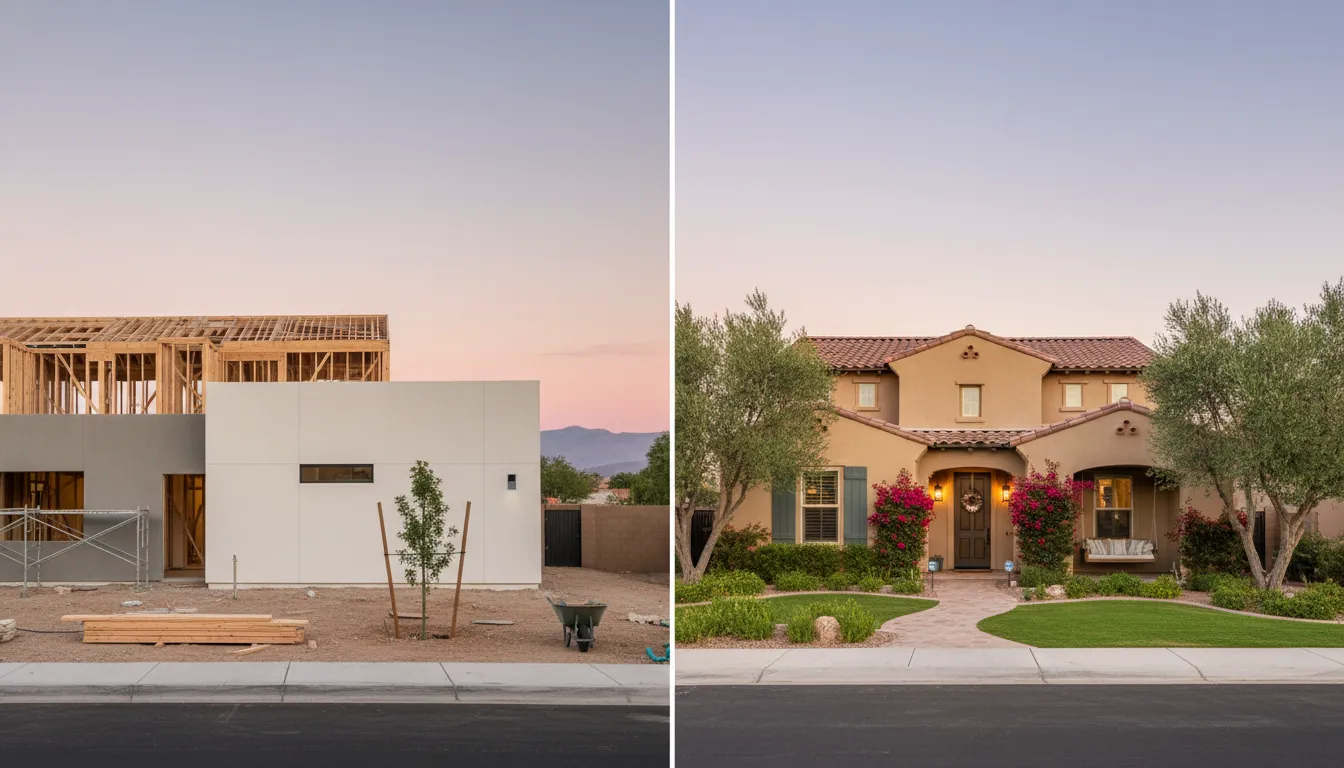
I want to be blunt: when you start house hunting, skipping a mortgage pre-approval is a gamble that can cost you the home you actually want. That’s especially true if you’re looking at new construction, spec homes, or trying to move quickly. I say this from experience working with buyers who thought they could wait until the builder’s lender handled everything—only to watch perfect homes disappear in a matter of days.
🔎 Why pre-approvals still matter
A pre-approval is not just paperwork. It’s proof that a lender has reviewed your income, assets, and credit and is willing to lend you a certain amount. Builders and listing agents treat that letter as a signal that you are a real buyer who can move fast. If another buyer walks in with that letter in hand, they are suddenly a safer bet—especially on weekends or in competitive pockets of the market.
Builders often work with in-house or preferred lenders who provide attractive incentives—interest rate buy-downs, credits toward closing costs, or other promotions. Those incentives are real and can be meaningful. But they do not remove the value of having an independent pre-approval ready before you tour homes.
Here’s the practical point: even if you intend to use a builder’s lender for incentives, having a pre-approval in your back pocket can protect you from losing a deal simply because their lender couldn’t get to you the same day.

💭 Why buyers say they skip it (and why those reasons fall short)
- "I’ll just use the builder’s lender to get the incentives." Builder lenders are powerful, but their pre-approval process may not be instantaneous—especially on weekends.
- "I don’t want lenders to steer me into their realtor network." Fair concern. Some lenders do try to funnel buyers into particular realtors or networks. That risk doesn’t mean you shouldn’t be pre-approved; it means choose your lender carefully.
- "Inventory feels slow—I can wait." Markets change quickly. Slow now doesn’t mean slow tomorrow. Homes that match your wishlist can disappear in days.
🏃 How timing, weekends, and builder processes work against you
Here’s a scenario I see too often: you and I talk through what you want. We find several spec homes that meet your move timeline and must-have list. They look like perfect fits. You want to move fast, but you also don’t want to talk to a lender because you assume you’ll use the builder’s lender when it’s time.
Then the market moves even a little bit. Those spec homes go under contract within days. You track down the one that’s left. You go to see it on a Sunday afternoon. The sales rep says they’ll get your buyer set up with the builder’s lender. But that lender isn’t working that Sunday. If someone else walked in earlier that day with a pre-approval from another lender, the builder might take that buyer instead because that buyer is an immediate, known quantity.
A bird in the hand beats two in the bush. That’s not fear-mongering; it’s how builders reduce risk when contracts are on the line.

📉 Examples that illustrate the risk
These stories are not hypothetical. I’ve worked with buyers who followed solid advice but encountered lending and brokerage shenanigans that cost them deals.
One buyer followed my suggestion to get pre-approved through a lender I trusted. Another buyer went straight to a large national lender recommended by someone else and became trapped in that lender’s network. I ended up receiving referral fees for people who did exactly what I advised—and you should know that dynamic exists.
Another buyer was talked out of a new-build purchase the day they were supposed to sign. The opposing agent offered a small amount—$4,500—to persuade them to switch to buying a resale instead. That “help” evaporated as soon as the buyer backed off, and the new build sold to someone else. The buyer had to sign another lease and lost the chance at the home that actually solved their problems.
🧭 What a smart pre-approval strategy looks like
If you want the builder incentives but also want to protect yourself, try this hybrid approach:
- Get a pre-approval from a reputable, independent lender before touring homes. This is your safety net. It takes the "waiting for paperwork" excuse off the table and gives sellers confidence.
- Ask the sales agent what they require for a reservation or contract weekend. Some builders accept independent pre-approvals; others require the in-house lender to finalize incentives. Know this up front.
- If you plan to use the builder’s lender for incentives, be transparent and ask whether doing so will affect your hold on the home. If it will, negotiate timing: get the builder’s lender pre-approval in parallel.
- Carry a dated pre-approval letter to show sellers or agent reps immediately. That small piece of paper can make or break a purchase when multiple buyers appear around the same time.
This approach costs you nothing in most cases. Lenders will pre-approve you without charge, and you can still accept the builder’s incentives later when you’re ready to commit.

🔧 Practical checklist before touring new builds or spec homes
Use this checklist so you don’t get stuck reacting instead of acting.
- Pre-approval letter from a lender that includes the loan type and amount and is dated within the last 60–90 days.
- Proof of funds for your down payment and reserves if you’re making an earnest money deposit.
- Photo ID and basic documentation (W-2s, paystubs, bank statements) so you can respond quickly if an agent asks for more info.
- Questions for the builder: Are incentives tied to using their lender? How long do promotions last? What happens if another buyer has a pre-approval?
- Backup plan: If a resale appears that fits your wishlist better than any new build, be ready to pivot. A pre-approval lets you do that without delay.
🏗️ When builder lender incentives are worth it—and how to secure them
Builder lender incentives can meaningfully reduce your costs. They can fund a rate buy-down, cover part of your closing costs, or make up for a higher list price. But you must understand the timeline and what the builder requires to lock those incentives in.
Two common tactics:
- Parallel processing: Get pre-approved by an independent lender and simultaneously start a pre-approval with the builder’s lender. That way you have proof of qualification and can still qualify for incentives if you decide to sign with the builder’s financing.
- Ask for a conditional acceptance: Some builders will accept an independent pre-approval for the reservation and let you finalize financing with their lender shortly after. Others will insist on using their lender for incentives. Ask up front so you're not surprised.
Bottom line: incentives are real, but so is competition. The cost of a lost house often outweighs the value of a discount you might get later.
📚 A deeper way to learn the whole process (announcement)
I’m starting a weekly, detailed series that walks through buying a home from start to finish. This will be thorough and practical—no fluff, no bait-and-switch. Every week I’ll cover a specific part of the process so you can follow along and become confident in each step: pre-approval, making offers, negotiating with builders, closing, and more.
This is meant for people who want to know the forms, the timelines, and how the industry actually operates so you can avoid the common traps that cost time, money, and stress.

💬 My stance on lenders and realtor networks
Yes, some lenders and agents are territorial and will push buyers toward their own networks. That happens. But being prepared and working with professionals who prioritize your interests prevents you from being steered or pressured into a decision that doesn’t serve you.
If you prefer, I can connect you with lenders who won’t try to funnel you into a specific realtor network and who are experienced with new construction and spec homes. The point is to give you choices and the power to act quickly when opportunity arises.
🛡️ Key takeaways
- Get pre-approved before you tour homes. It’s free or low-cost in most cases and provides immediate credibility.
- Builder incentives are attractive but not a substitute for being ready. You can usually qualify for incentives even if you have an independent pre-approval—if you coordinate intelligently.
- Weekends and quick timelines matter. If a builder’s lender can’t process your application the same day, another buyer with a pre-approval letter could take the house.
- Markets change fast. Even when inventory feels slow, houses that match your criteria can vanish within days.
- Choose your lender carefully. Look for someone who gives you a real pre-approval without trying to trap you in a network or pressure you into a product you don’t want.
❓ Frequently Asked Questions
Do I need a pre-approval for new construction?
Getting a pre-approval is strongly recommended. Even when you plan to use a builder’s lender for incentives, having an independent pre-approval gives you proof of buying power and helps secure a home when timing matters.
Will I lose builder incentives if I use a different lender first?
Not necessarily. Many builders will allow an independent pre-approval for reservation and let you finalize with their lender to receive incentives. Always ask the builder sales rep what their policy is and whether incentives require exclusive financing.
How long does a pre-approval last?
Pre-approvals typically last 60 to 90 days, though timelines vary by lender. If your pre-approval expires, you can usually get it renewed quickly if your financial situation hasn't changed.
What if my lender tries to funnel me into a realtor or network?
Choose another lender. A good lender will prioritize your loan needs and timeline without trying to dictate your agent choice. If you want, I can recommend lenders known for being buyer-focused and transparent.
Is a pre-approval the same as a loan commitment?
No. A pre-approval is an initial determination based on documentation provided; a loan commitment comes after underwriting and is a stronger, near-final approval. Pre-approval is still valuable because it shows sellers you can move quickly.
⚙️ Final thoughts
Buying a home is a mix of planning and timing. You need both: a clear plan and the ability to act when a great opportunity appears. A pre-approval is one of the simplest, most practical ways to protect yourself in that race.
Protecting your choices does not mean giving up builder incentives. It means being smart about timing and having all your ducks in a row so you can make the best decision when the right house shows up.
If you want a lender who will work for you rather than steer you into someone else’s network, reach out. I can help connect you with reliable lenders experienced in new construction and spec homes so you’re ready the next time a perfect property pops up.
Categories
Recent Posts