Why Buyers Are Freaking Out Over the New Buyer Broker Agreement

Why Buyers Are Freaking Out Over the New Buyer Broker Agreement
🔎 What changed and why it matters
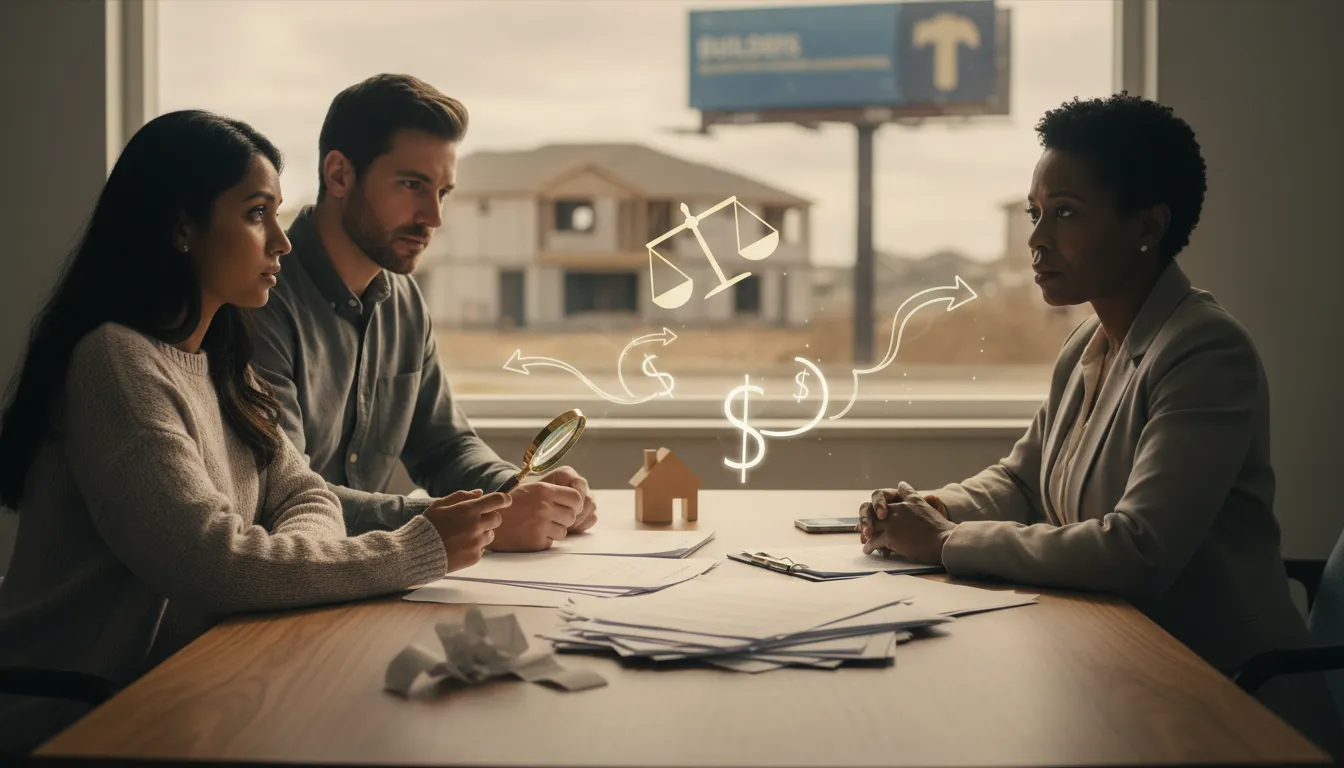
Lately I keep getting calls and messages from people who are confused, annoyed, or downright angry about the buyer broker representation agreement. I get it. Things that used to be straightforward in real estate feel messy now, and a lot of that comes down to rule changes, lawsuits, and unintended consequences that landed right in the middle of how agents are paid.
Here’s the short version: commissions are negotiable. That always has been true, but what changed is how those commissions are written, who technically pays whom, and how builders and sellers respond. Those shifts have ripple effects that buyers notice—especially when they walk into a new home community or sign a contract without fully understanding the BBR, the buyer broker representation agreement.

🧭 How buyer agent compensation works now — step by step
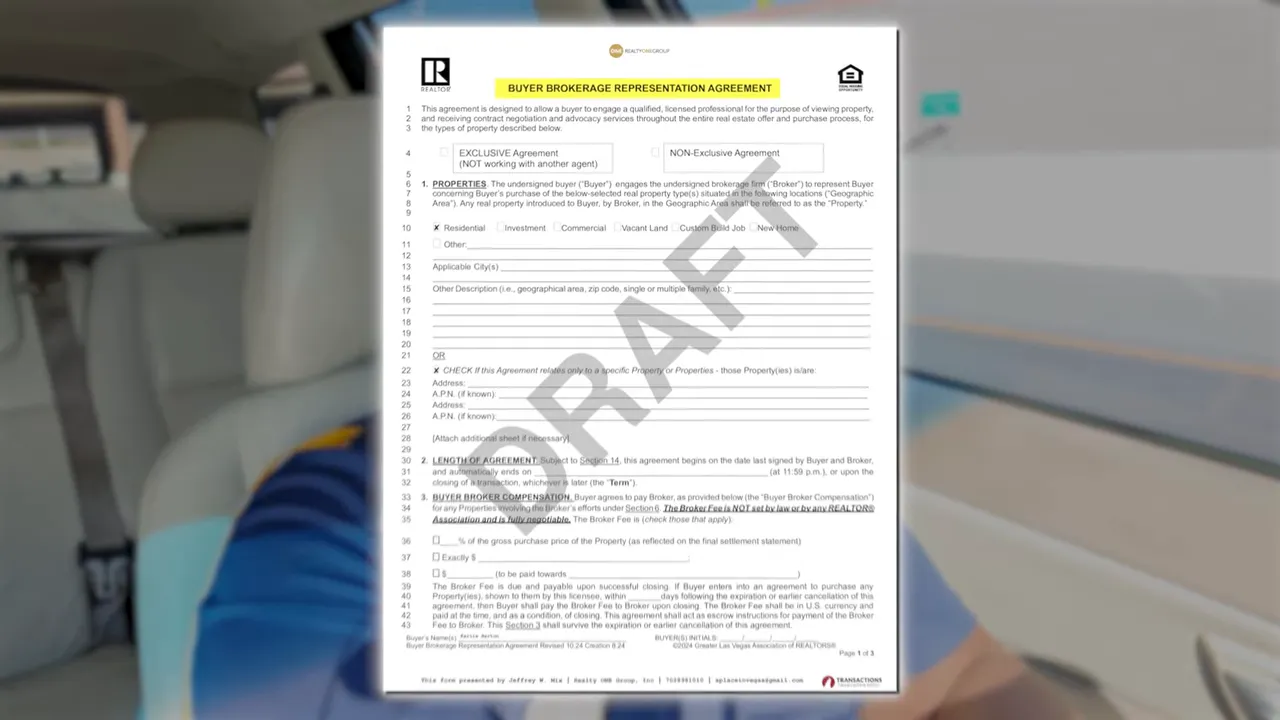
The industry flipped the script in response to a major legal settlement and subsequent rules from the National Association of Realtors. That created a new standard form called the buyer broker representation agreement. The form includes the commission the buyer will pay their agent, but the way it’s executed can look different from the old days.
- Who is technically paying the agent? The buyer is. The contract states the amount the buyer agrees to pay their agent.
- How does the agent actually get paid? The typical approach is for the buyer to include that amount in the offer and request the seller reimburse it. In practice the seller often pays from proceeds or through a commission split set on the listing, but the contract language places responsibility on the buyer.
- What does the MLS show now? Listings may still show a compensation number, but buyer agents must negotiate the fee in the buyer’s representation agreement and the purchase contract. Whatever number is in the BBR is the maximum the agent can claim in that transaction.
Example: if the BBR says 3 percent, the buyer can negotiate up to 3 percent from the seller. If the listing offers 3 percent to buyer’s agents in the MLS, all is aligned. But if the agent wrote 2.5 percent in the BBR, they can only seek 2.5 percent through the contract unless the buyer and seller agree otherwise.
🏗️ New construction and builder bonuses
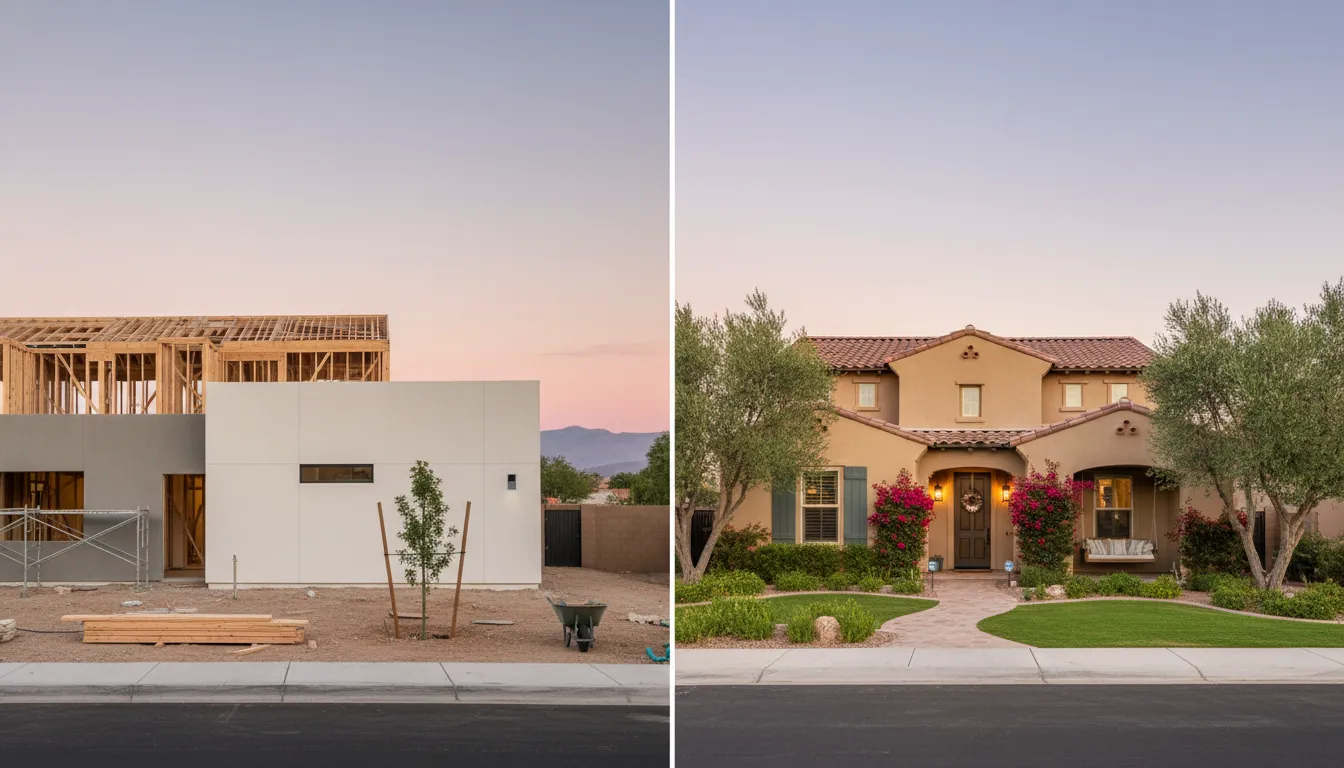
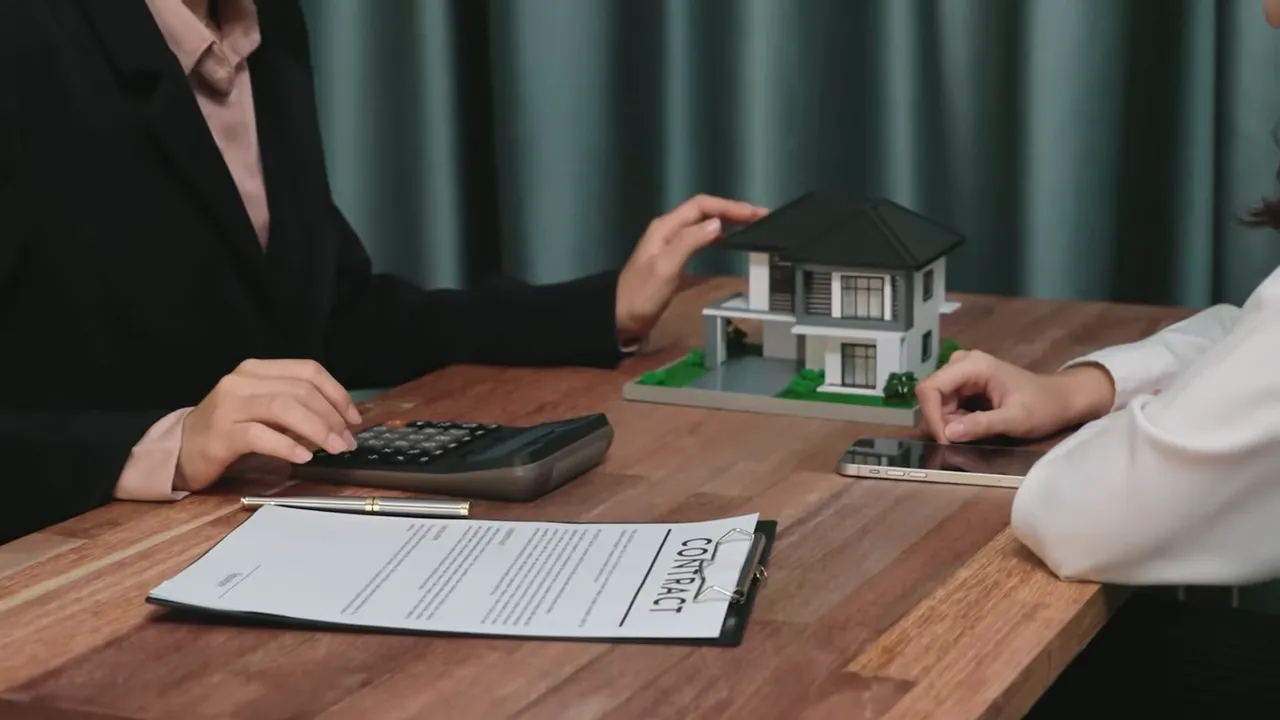
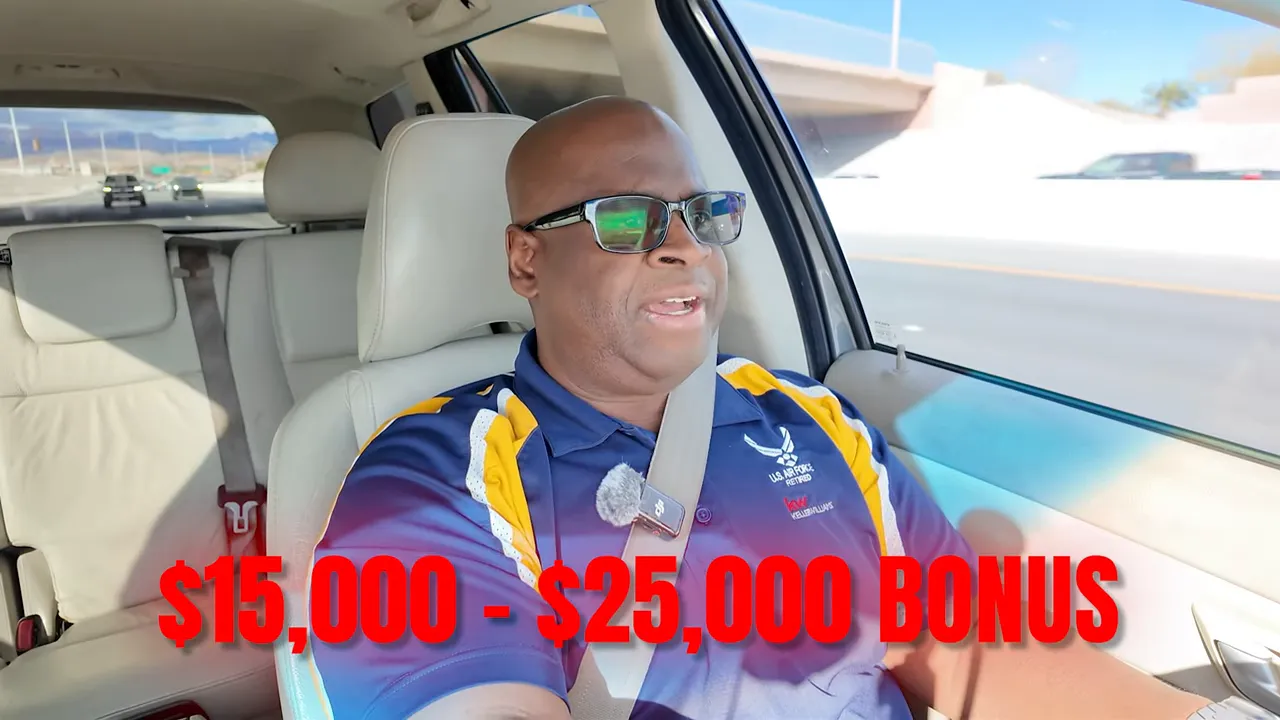
This is where things get interesting—and sometimes frustrating. Builders frequently run incentives that change the effective commission a buyer’s agent might receive. They might advertise generous bonuses like 5 or 6 percent or even a fixed amount like a $25,000 incentive on a high-end home. Those incentives are calculated by the builder, but the BBR governs how much an agent is entitled to.
If a buyer’s BBR says 3 percent and the builder planned to pay 6 percent, the builder will likely only pay 3 percent if that’s what the buyer’s agreement requires. The builder keeps the rest as additional margin. This is legal and common practice. In other words, agents who put a lower number in the BBR can unintentionally leave money on the table that the builder had budgeted to pay.
💸 Why some agents are asking buyers to pay the difference
Before the settlement, many agents were comfortable taking whatever the MLS offered without fuss. Now agents sometimes write a minimum in the BBR—think of it as their floor—and then negotiate with sellers to secure that amount. When a seller or builder refuses to offer the full requested amount, some agents ask the buyer to make up the difference.
That request triggers a few reactions. Buyers understandably feel blindsided. Agents who do this are exposing themselves to pushback. Some agents never asked for the difference in the past; now the rules and changing commission climate have created a few greedy or overly aggressive tactics. That’s one of the unfortunate side effects of the new system.
⏳ Exclusivity: how long should a BBR last?
The BBR often has a term. I get asked all the time how long is reasonable. I do not ask buyers to sign a one-year exclusivity for someone I just met. One day is my usual practice when someone is in town for a short trip and I’m showing them homes. If a buyer needs me to stay on longer, we can do it, but I don’t lock people into long exclusivity periods unless there’s a solid reason.
There are exceptions. If someone is out of town and I agree to work virtually for a week or more, I’ll extend the period to cover the remote work. But the default one-year, six-month, or even three-month exclusivity that some agents push is often unnecessary and can be a red flag if the buyer didn’t fully understand what they signed.
📈 Graduated commission scales and agent behavior
Builders sometimes use a graduated commission structure to reward agents who bring them repeat business. It might look like this:
- First time you bring a client to the builder: 2 percent
- Second time: 3 percent
- Third time: 4 percent
- Up to a maximum: 6 percent
That structure encourages agents to build a relationship with the builder. It also means an agent who has earned their way up to 6 percent could see that opportunity reduced if a buyer signs a BBR for a lower percentage before visiting the builder. The buyer doesn't necessarily lose anything, but the agent does, and that creates tension.

⚖️ Rules versus laws: what’s required and what’s optional
It’s important to separate association rules from state law. The buyer broker representation agreement requirement comes from the National Association of Realtors. That is a rule of the trade, not a state law—except where states have chosen to codify similar language.
Nevada, for reasons that are still a bit unclear, made a version of this a law earlier this year. The law reflects the association rules but now exists in the state code. Right now there’s not much enforcement happening, and few people even know it’s on the books. Whether other states follow or how this impacts ongoing litigation remains to be seen.
⚠️ Lawsuits in play and why they matter
There have been high-profile lawsuits challenging industry practices around how commissions are disclosed and paid. The one that made waves focused on sellers’ claims. Now there’s another lawsuit coming that is focused on buyers. It’s called Batson, and it could be far-reaching.
Here’s the confusing part: one lawsuit argues sellers paid commissions so they should control them; another argues buyers paid commissions so they should control them. The truth sits somewhere in the middle: commissions are baked into prices, negotiated in offers, and split as part of transactions. The legal arguments are complicated and sometimes contradictory, which adds to buyer anxiety.
🛡️ Practical advice for buyers (and what I do differently)
If you're signing a buyer broker representation agreement, keep these points in mind:
- Commissions are negotiable. Put your preferred rate in the BBR and be prepared to negotiate in the offer. If an agent is adamant about a rate they can’t secure, ask direct questions.
- Don't sign lengthy exclusivity without reason. If you're in town for a weekend, a one-day BBR is reasonable. Longer terms should be justified by the scope of work.
- Ask about new construction incentives. If the builder offers a bonus, ask how it will be applied and whether your BBR will capture it.
- Get clarity if an agent asks you to pay the difference. That conversation should happen upfront, not at closing.
- Work with someone transparent. If an agent avoids explaining the BBR or insists you sign without room for discussion, be cautious.
My personal practice is to limit exclusivity when appropriate and to be transparent about compensation. I’ll sign a one-day BBR for a buyer in town and extend only as necessary. For veterans or out-of-town buyers I often do virtual tours, and yes, a BBR is still required for that work.
🧾 A buyer’s checklist before signing any representation agreement
- Read every line of the BBR and ask the agent to explain anything you don’t understand.
- Confirm the commission percentage and whether it’s a floor or the final negotiated amount.
- Ask what happens if the seller or builder offers a higher incentive.
- Clarify the exclusivity period and whether you can cancel the agreement.
- Get the agent’s plan for showing homes and availability—if they are unavailable, that can cost you opportunities.
🤝 Why having an agent still matters with builders
It might look like the friendly person at the sales office is working for you. They smile, they answer questions, and they make the buying process easy. But their job is to represent the builder. If you want buyer-centered advice, negotiation, and post-contract advocacy, having your own agent—signed into a reasonable BBR—matters.
It does not cost you extra in most cases if the builder pays standard compensation. But if your BBR says less than the builder’s posted incentive, you might leave money on the table that the builder planned to offer.
🔮 What I’m watching next
The Batson lawsuit and other legal developments will continue to shake the landscape. Rules from trade associations, state legislation, and courtroom decisions could reshape how commissions are disclosed or who ultimately “controls” them. For now this is the framework buyers will encounter across most of the United States and several territories.
The best protection is knowledge and a straightforward agent who will explain options and consequences before you sign anything.
❓ Frequently asked questions
Are commissions still negotiable?
Yes. Commissions remain negotiable. The BBR sets the amount the buyer agrees to pay, but you can negotiate that percentage in the purchase contract. Agents often set a minimum in the BBR, then try to secure that through negotiations with the seller or builder.
Who really pays the buyer’s agent?
Technically the buyer is the one who agrees to pay the agent under the BBR. In practice, the seller or builder often reimburses that amount as part of the purchase terms. The BBR makes the buyer responsible on paper, and the offer will typically request reimbursement from the seller.
If a builder offers a 6 percent bonus but my BBR says 3 percent, what happens?
The builder will usually honor the written BBR and pay the lower amount listed there. The builder keeps the remainder. That is why the number you write in the BBR matters—agents and buyers can unintentionally reduce the compensation a builder intends to pay.
Should I sign a one-year exclusivity with an agent I barely know?
No. One-year exclusivity for a buyer you’ve never met is excessive in most cases. A one-day or short-term BBR is common for out-of-town buyers or those visiting for a weekend. Extend only when you have a clear reason and mutual agreement.
What if my agent asks me to pay the commission difference?
Ask questions and get it in writing. Make sure you understand why the difference exists and whether there were alternatives. If an agent is aggressive about demanding the difference, consider it a red flag and evaluate other representation options.
📌 Final thoughts
The buyer broker representation agreement is here to stay for now, and its effects are being felt across the country. That does not mean buyers are powerless. Commissions are negotiable, and the terms you sign shape the outcome. Insist on clarity, question long exclusivity terms, and get comfortable with how new construction incentives are handled.
My approach is simple: be transparent, limit unnecessary exclusivity, and make sure buyers understand the financial mechanics before they sign. That keeps surprises to a minimum and the deal moving forward with everyone on the same page.
Categories
Recent Posts