Is 2026 the Year to Buy a Home in Las Vegas or Is a Market Crash Coming?

Is 2026 the Year to Buy a Home in Las Vegas or Is a Market Crash Coming?

I boil complex market data down into plain language because buying a home should be understandable, not stressful. In 2026 the Las Vegas housing market looks a lot healthier than the headlines would have you believe. Three factors matter most: mortgage rates, home values across neighborhoods, and wages in Clark County. Each one changes the math of affordability in a different way. Below I explain how those pieces fit together, where buyers have leverage, and what practical steps you can take right now.
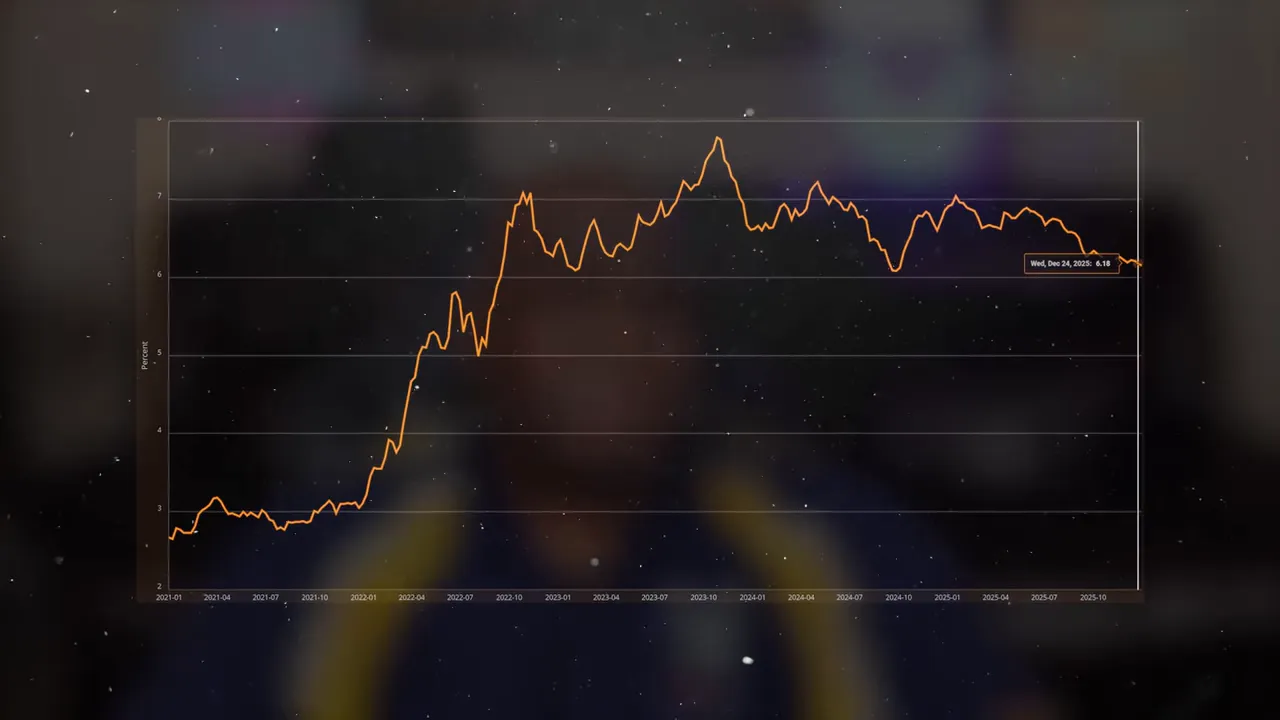
🔢 Mortgage Rates: Why 6.2% Changes Everything
For two years mortgage rates felt like an uphill climb as the Federal Reserve battled inflation. That pushed borrowing costs to levels most buyers had never seen. In 2026 rates have eased to around 6.2%, and even small shifts like this have an outsized impact on buying power.
Here’s the simple way to think about it: your monthly mortgage payment is the budget that determines what homes you can realistically buy. Two examples make the point:
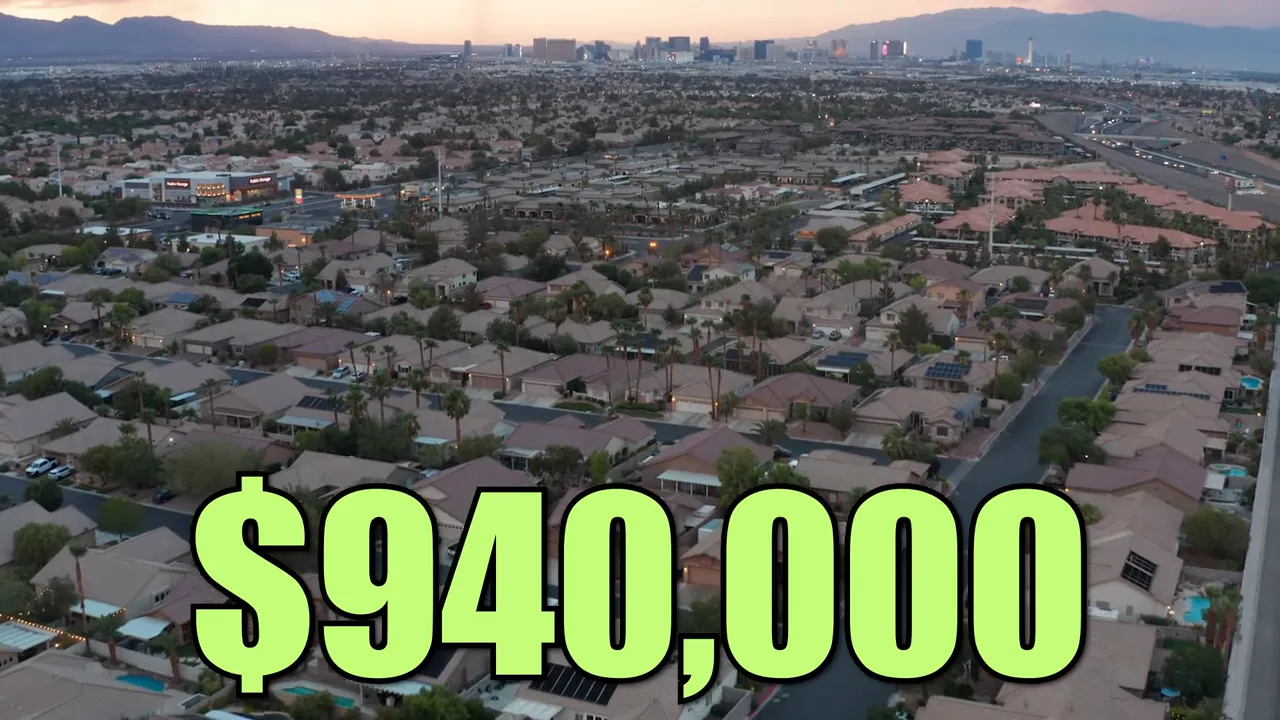
- $5,000 monthly budget: At 7% rates last year that payment roughly translated to a purchase price near $940,000. At today’s ~6.2% rate, the same payment covers a home priced well over $1,000,000.
- $3,000 monthly budget: At higher rates that might have limited you to about $560,000. Now you can shop for homes over $620,000.
That difference is the gap between a high-end condo and a single-family home in many Las Vegas neighborhoods. Lower rates don’t magically cause runaway price growth; they reopen opportunity for buyers who were sidelined. But they do change the kind of properties people can realistically target.
🏷️ Are Home Prices Going to Drop?
Short answer: a crash is unlikely. The market has corrected from the frenzied bidding wars and unsustainable spikes of recent years, but we are not headed for a collapse. The current environment looks more like stabilization with localized corrections.
Key numbers to keep in mind:
- Median home price for Las Vegas across housing types sits around $450,000.
- That level is substantially above the sub-$300,000 prices seen over a decade ago, so while affordability has shifted, this is also a market that has absorbed a lot of appreciation over many years.
Expect less panic and more negotiation. The days of immediate escalation and offers tens of thousands over list price are largely behind us. That said, different pockets of the valley behave differently. Understanding where to look will determine whether you get a deal or simply another competitive listing.
<img src="https://firebasestorage.googleapis.com/v0/b/videotoblog-35c6e.appspot.com/o/%2Fusers%2FjWHHxVz9lPhTWobyNsW7yxwtk3V2%2Fblogs%2FozQUN9h9To9DvSFZSj8S%2Fscreenshots%2F8bf31dca-0fa2-431e-b01f-2327df175e78.webp?alt=media&token=9f6ea9fb-bf49-4b00-8d0e-e9a4c16ac57f" alt="Aerial view of Las Vegas with bold text overlay reading " $450,000="" median="" price.""="" $450,000"="" price="" graphic="" at="" the="" bottom."="" this="" stabilization="" is="" a="" golden="" opportunity.""="" width="100%" style="object-fit: cover;">
📍 Neighborhoods: Where Buyers Have Leverage
Las Vegas is not a single market. It’s a set of neighborhoods and micro-markets and each is moving at its own speed.
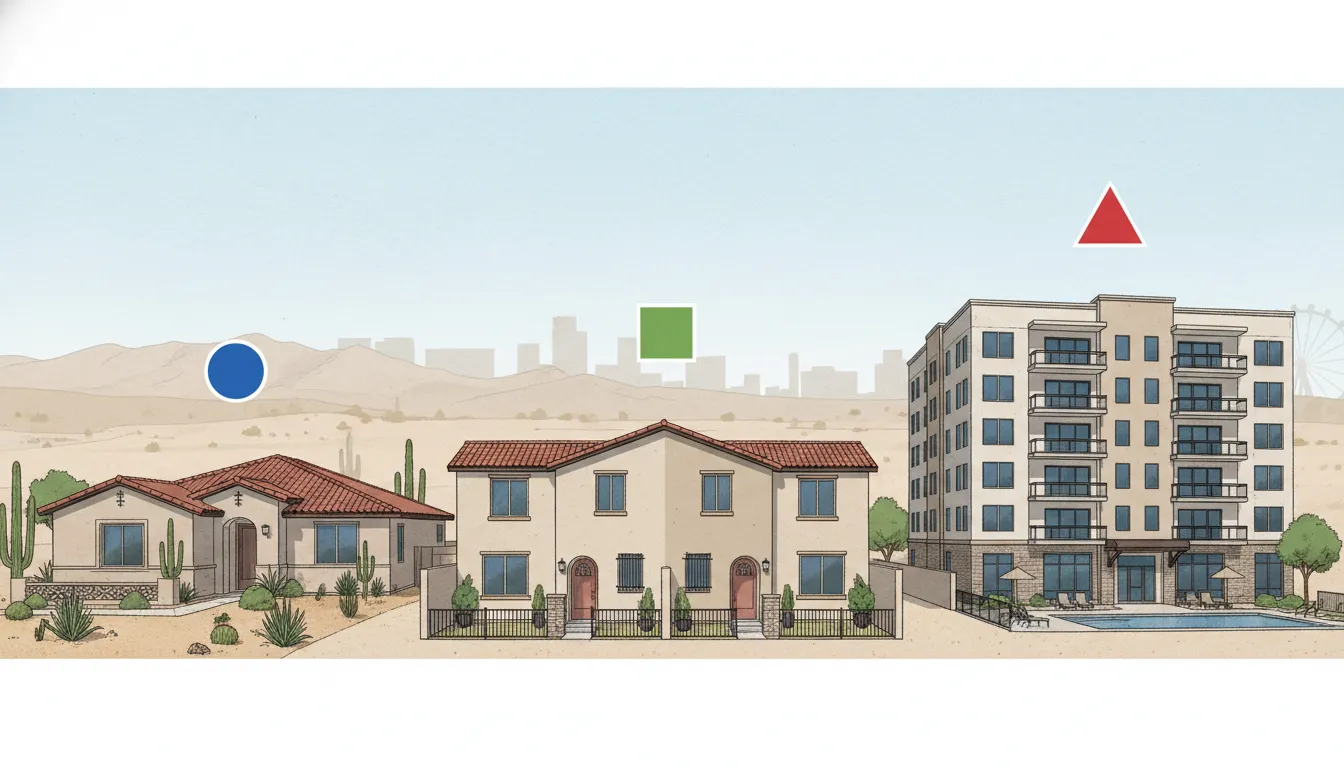
- Strong/stable areas: Established master-planned communities like Summerlin and the southern parts of Henderson continue to hold value because inventory is limited and demand remains consistent.
- Flexible/negotiable areas: North Las Vegas and parts of the east side are showing more price flexibility. Sellers in these areas are increasingly willing to negotiate, which creates a real window for buyers who are willing to look beyond the most popular zip codes.
If you want the most purchasing power, be open to exploring neighborhoods with growing inventories or where new construction and resale supply overlap. You’ll often trade proximity to the Strip or a particular school district for a lower price or better terms, but you can also find surprising value close to established amenities when timing and negotiation align.
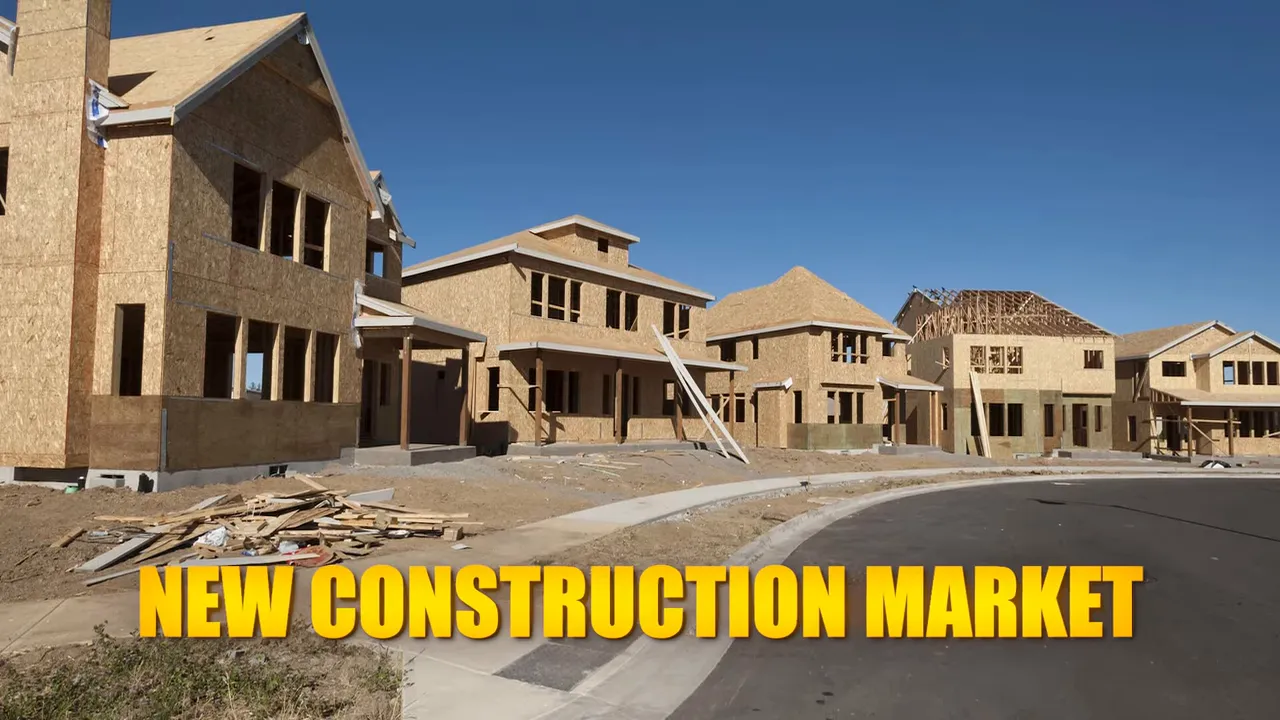
🏗️ New Construction: Incentives and Rate Buydowns
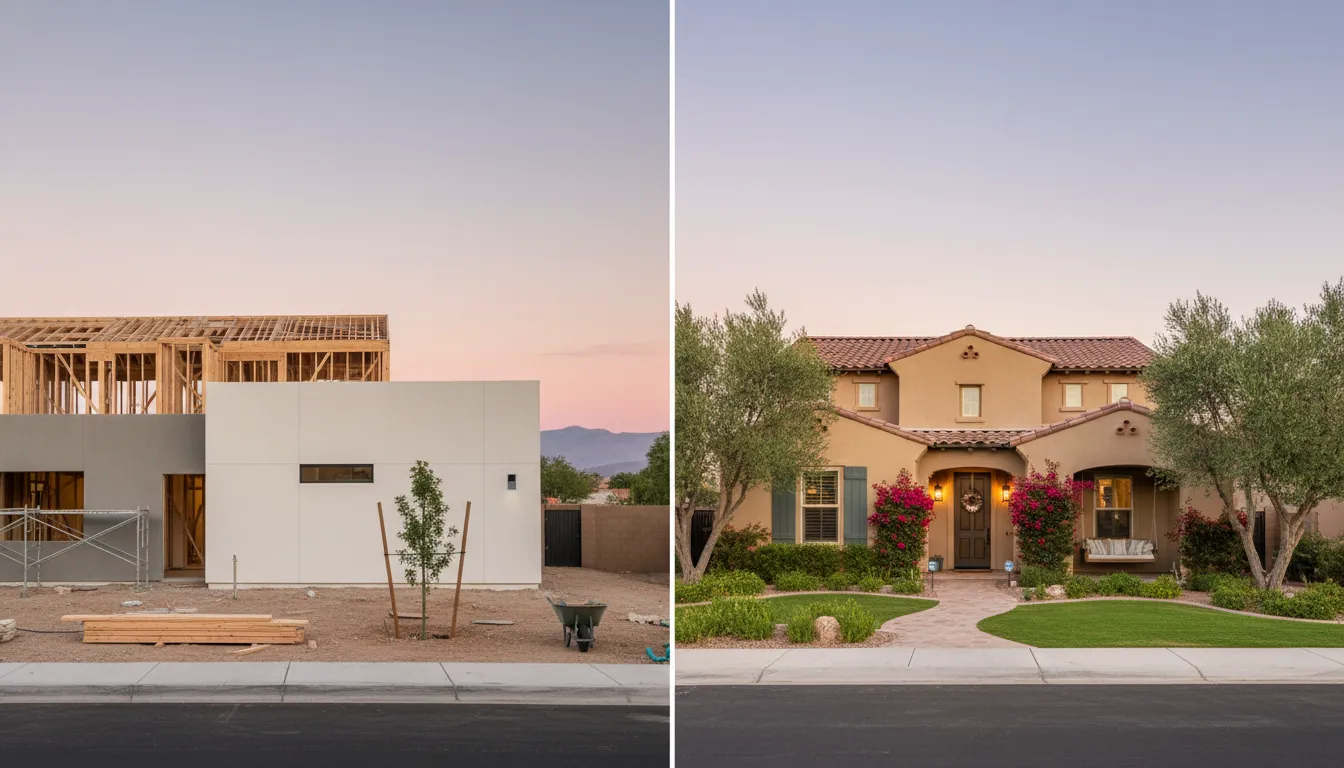
Builders are no longer operating in a no-holds-barred seller’s market. Companies such as Pulte and Lennar (and regional builders often referred to in shorthand like Pier or LAR) are facing stiffer competition and responding with incentives that matter:
- Closing cost credits worth several thousand dollars.
- Mortgage rate buydowns that reduce your interest rate by more than a full percentage point in some cases. Some of these buydowns are structured to last the life of the loan, not just a couple of initial years.
These offers shift the calculus for buyers who want brand-new homes. A rate buydown can be worth tens of thousands over the life of a mortgage, and when combined with closing credits, the effective cost of buying a newly built home can be much lower than the sticker price suggests.
💸 Wages: The Often-Missed Affordability Factor
Affordability is more than interest rates and listing prices. It’s also what you earn. Right now Nevada is leading the nation in hourly wage growth. According to recent Bureau of Labor Statistics figures, hourly wages jumped about 6.37% year over year and the average wage has climbed to just over $32 per hour. The median household income in Las Vegas has risen to over $70,000.
That matters because when incomes rise faster than housing costs, buyers find it easier to save for a down payment and qualify for mortgages. A growing, diversified economy — tech, health care, logistics, conventions returning, and the additional economic activity from professional sports — is helping sustain that wage growth.
⚖️ The Market Picture: Balanced, Not One-Sided
Putting the pieces together gives a clear headline: this is a balanced market. It’s neither a buyer’s market where sellers are desperate, nor the hyper-competitive seller’s market we saw in earlier years.
In a balanced market:
- Buyers regain negotiating power and time to make considered decisions.
- Sellers still get fair value if they price properly and prepare the property.
- New construction and resale compete more directly, creating options and incentives for buyers.
That dynamic creates an environment where real buyers and sellers transact without the spectacle and stress of bidding wars. It’s healthier and more sustainable.
🛠️ Practical Steps If You Want to Buy in 2026
Markets shift, but good preparation pays off every time. If you’re serious about buying in Las Vegas this year, do these three things first:
- Get preapproved for a mortgage. Knowing your budget is the single most powerful tool. Preapproval shows sellers you’re serious and tells you exactly which price range makes sense.
- Research neighborhoods. Price and negotiation power vary dramatically by area. Spend time understanding Summerlin, Henderson, North Las Vegas, and east-side neighborhoods. Consider commute, schools, future development, and resale potential.
- Work with a local expert. A real estate professional who understands Las Vegas nuances will help you find hidden gems, evaluate builder incentives, and negotiate rate buydowns and closing credits effectively.
Preparation lets you act decisively when the right property appears. It also prevents emotional overspending and positional mistakes.
📈 What I Expect for the Rest of 2026
Expect continued stabilization. Mortgage rates may move modestly in either direction depending on macroeconomic forces, but the big story is improving affordability driven by falling rates and rising wages. Watch for:
- Local pockets that remain tight — areas with limited supply and sustained demand will hold value.
- Opportunities in East Las Vegas and North Las Vegas where negotiation is real.
- More creative incentives from builders as they compete for buyers.
All told, 2026 looks like one of the better years in recent memory for buyers who come prepared. The market is giving back power to those who know how to use it.
❓FAQ
Is now a better time to buy than renting in Las Vegas?
It depends on your timeline and finances. With mortgage rates near 6.2% and wages rising, ownership looks more affordable for those ready to stay several years. Getting preapproved will help you compare monthly mortgage payments, taxes, insurance, and maintenance against current rent. If you plan to stay for 5 to 7 years or longer, buying often makes financial sense in this climate.
Will home prices crash in Las Vegas in 2026?
A crash is unlikely. The market is correcting — less frenzy, more negotiation — but no signs point to a collapse. Prices are stabilizing around a median of roughly $450,000 and movement will be local rather than valley-wide. Expect modest adjustments in some areas and continued strength in others.
How much can builder incentives save me?
Incentives vary, but closing cost credits of several thousand dollars and mortgage rate buydowns can materially lower your upfront and long-term costs. A buydown that reduces the rate by a full percentage point could save tens of thousands over the life of a 30-year loan. Always run the numbers with a lender to understand net savings after factoring in any trade-offs.
Which neighborhoods should first-time buyers consider?
First-time buyers should look beyond the most expensive enclaves. Areas of North Las Vegas, parts of the east valley, and neighborhoods adjacent to growing job centers often offer more negotiating room. That said, pockets of Henderson and master-planned areas can still be attainable if you target smaller homes or look at resale versus new construction.
How important is preapproval?
Extremely important. Preapproval clarifies your budget, speeds up offers, and signals to sellers that you are a serious buyer. In a balanced market, it can be the difference between winning a property and losing it to someone else who has already completed this step.
🏁 Final Thoughts
Las Vegas in 2026 offers a rare alignment of factors that favor prepared buyers: mortgage rates that have eased to manageable levels, a market that has moved from frenzy to balance, and strong wage growth that improves real affordability. If you approach the market methodically—get preapproved, research neighborhoods, and work with someone who knows the local terrain—you’ll find opportunities that weren’t available during the height of the feeding frenzy.
I use data and practical experience to talk about what matters: payments, neighborhoods, incentives, and long-term value. If you want to move forward, focus first on the three fundamentals listed above. The rest becomes arithmetic and timing.
Categories
Recent Posts