Why Realtors Now Require Paperwork Before Showing Homes | Carpool Confessions

Why Realtors Now Require Paperwork Before Showing Homes | Carpool Confessions

🚗 Saturday Rant: What’s Driving All This Paperwork?
I’ll be blunt: the real estate world has changed, and a lot of it started when lawyers and class-action suits began poking at long-standing industry practices. That hand-wringing produced a consent decree and a string of new requirements from the National Association of Realtors. The end result is that many agents now ask buyers to sign paperwork before stepping foot inside a house. People get mad. I get it. I also see where the rules came from and how they actually affect negotiations, builders, and everyday buyers.
🧾 The Big Shift: Why Agents Ask for a Buyer Broker Representation Agreement
Historically, listing a home always came with a signed agreement between seller and listing agent. Buyers rarely signed a formal contract with their agent, and in many markets that worked fine for decades. Then came lawsuits alleging anti-competitive behavior around how commissions were displayed and offered. One high-profile case forced the industry to be more transparent and led to a consent decree that effectively pushed agents to get explicit, written permission to represent buyers.
So the paperwork you’re seeing—commonly called a buyer broker representation agreement (BBR)—isn't a power grab by agents. It’s a compliance measure driven by legal changes and industry rules. It does two things: it clarifies who the agent represents, and it sets expectations about commission negotiation and the agent’s role.

⚖️ Sitzer-Burnett and the Consent Decree — The Legal Sparks
The Sitzer-Burnett litigation and the NAR consent decree are the primary catalysts here. Lawyers essentially challenged the old model where commission arrangements were handled behind the scenes, and the settlement forced public-facing changes. The industry had to adapt, which meant new forms, transparency, and sometimes paperwork before showings.
That legal pressure also led to a cascade of copycat complaints and new lawsuits (one named Batten among them), and platforms like Google and AI tools make it easy for anyone to research and amplify misunderstandings. The net result: more rules, more documentation, and more buyer pushback.
😤 Real-World Friction: When Buyers Refuse to Sign
I’ve seen the whole spectrum. Some buyers refuse to sign anything because they don’t want to be “locked in.” Others overreact because they’re meeting an agent for the first time and don’t want legal language thrown at them. That distrust is partly because certain agents historically pushed long, six-month agreements that felt like a leash—and that behavior is the reason many buyers are now suspicious.
But there’s a practical middle ground: a one-day or limited-scope BBR. If you’re visiting town for a weekend and want to see houses, ask for a BBR that explicitly states it’s only valid for that day or for a specific property. That solves a lot of issues. It also protects both you and the agent from misunderstandings later on.
🏗️ New Home Builders and Commission Changes
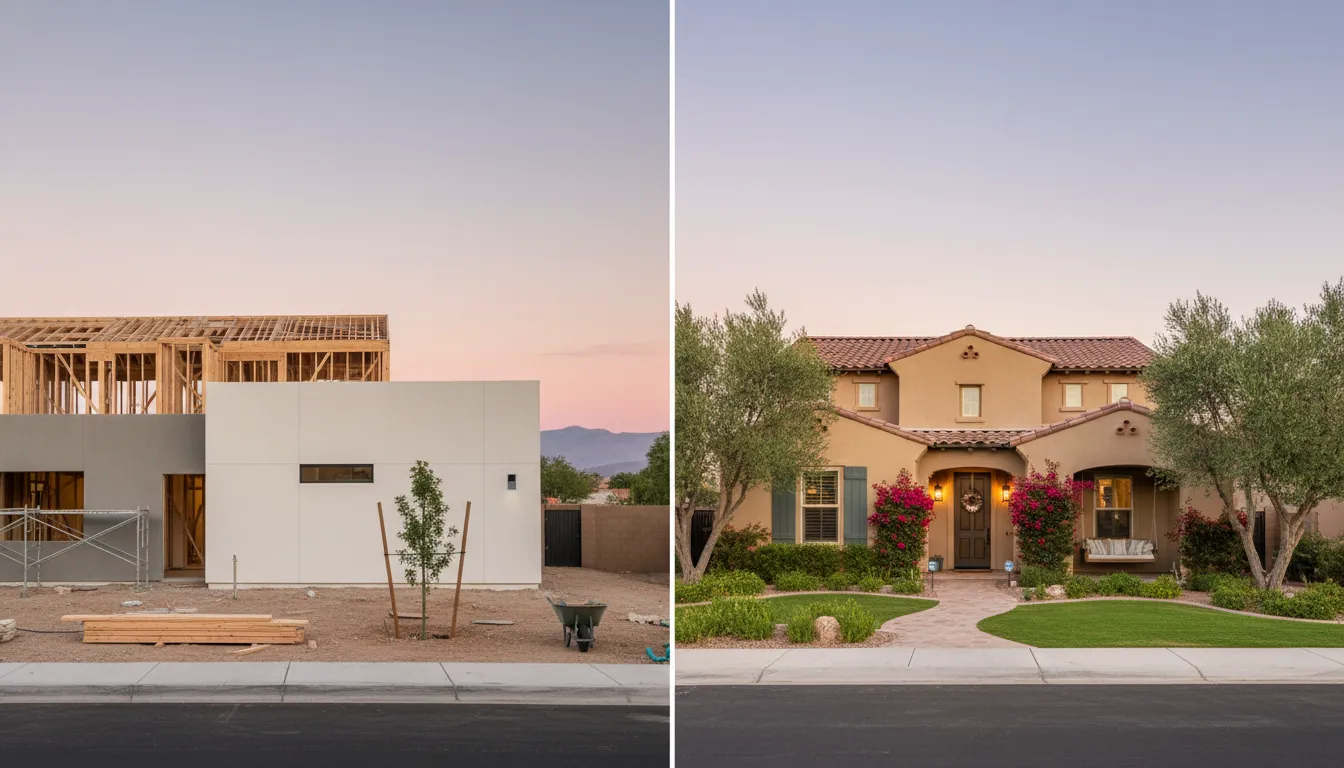
Builder sales add another twist. Many builders advertise they pay up to 6% in commission for buyer agents. Under the new rules, whatever percentage the buyer’s contract lists can limit what the agent can ask for. In practice, that means:
- If your BBR lists 3% and the builder pays 6%, the builder might only be obligated to pay 3% to the agent. The rest stays with the builder.
- If your agent negotiates concessions or upgrades by adjusting the commission split, that can help you buy a house that might otherwise be out of reach—provided the contract allows that flexibility.
I’ve negotiated deals where giving up part of my commission unlocked upgrades or allowed a buyer into a more expensive model within their budget. If the buyer walked in without an agent or signed a low percentage on their BBR without knowing the builder’s offering, they would have lost that negotiating leverage.

🔒 Loopholes Closed: You Can’t Avoid The Paperwork As Easily Anymore
States and brokerages have started to close the loopholes people used to dodge BBRs. For example, calling the listing agent directly used to be a common workaround because the buyer-broker rules had exceptions. Now many jurisdictions require paperwork even when you request a showing from the listing agent. Exceptions still exist—open houses and certain new home build interactions may allow showings without a buyer BBR—but those exceptions are narrowing.

🛠️ Practical Advice for Buyers — Keep Control, Don’t Panic
If you’re buying, here’s what I recommend:
- Ask for a limited BBR if you’re unsure. One-day or one-property agreements are perfectly acceptable and keep you uncommitted long-term.
- Read the commission line and ask questions. If a builder or seller is offering 6%, understand what your BBR lists. That percentage matters.
- Use an agent early if you want negotiating power. Agents can structure creative solutions—like trading part of a commission for upgrades or credits—that you won’t get as an unrepresented buyer.
- Don’t assume signing means you’re stuck. A BBR is a statement of representation and expectations. Reasonable agents will negotiate terms and explain the limits.
- Get everything in writing—especially concessions, upgrades, and timelines.
👔 Practical Advice for Agents — Less Greed, More Education
Agents, we helped create part of this problem. Long BBRs and aggressive terms pushed buyers toward distrust. That’s our fault to fix. Here’s how to make it better and stay compliant:
- Offer flexible BBRs—one-day or one-property agreements reduce friction and win trust.
- Explain the paperwork before you hand it over. Put the commission, duration, and termination terms in plain language.
- Don’t lean on commission as a scare tactic. Be transparent about builder offerings and how a BBR affects what can be requested.
- Educate clients about exceptions (open houses, certain builder policies) so they feel informed instead of ambushed.
- Negotiate creatively for clients—sometimes giving up commission strategically gets a buyer the house or upgrades they otherwise couldn’t afford.
📋 How the Commission Math Actually Works
Here’s the simplified version: builders or sellers may offer a commission pool for buyer agents. The BBR tells the market what your agent will accept. If your BBR lists less than what the builder is offering, you risk the builder paying only what’s on the BBR and keeping the difference. That difference often ends up on the builder’s balance sheet, not in the buyer’s pocket.
That’s why it’s critical to have a conversation about the commission number on a BBR before it’s submitted. A smart agent can use that number to secure concessions, upgrades, rate buydowns, or closing cost credits that effectively give you more value than a lower commission would suggest.
📣 If You Don’t Like These Rules, Here’s What You Can Do
Legal changes rarely reverse quickly. If you believe the consent decree or related laws are harmful, your practical options are:
- Ask questions of your agent and demand clarity before signing.
- Contact state legislators if the law in your state creates odd results; elected officials can and do modify regulations.
- Hold agents accountable—vote with your feet. Choose agents who explain things clearly and offer fair, flexible BBRs.
❓FAQ
Do I have to sign a buyer broker representation agreement before seeing a home?
No, not always—but many agents and brokerages now require one. Exceptions exist for open houses and certain new home scenarios. If you’re uncomfortable, ask for a one-day or limited-scope BBR so you can see the property without committing to a long contract.
What happens if I refuse to sign?
Some agents will still show you homes but others won’t. If you contact a listing agent directly, local rules may require that agent to follow certain disclosure or representation procedures. If you bypass representation entirely, you lose negotiation leverage and professional protections.
How does the commission I sign on a BBR affect what I pay or get?
The percentage listed on a BBR tells the market what the agent can request. If a builder or seller offers a larger commission but your BBR lists a smaller percentage, they might only be obligated to pay the lower percentage. That means less negotiating power unless your agent uses other creative strategies to help you.
Are one-day BBRs legitimate?
Yes. A one-day or property-specific BBR is a valid and practical solution for buyers who are in town briefly or want limited representation while they shop.
Can the agent change the commission after I sign?
Not without your consent. The commission listed on the BBR establishes the agent’s initial request. Any changes require mutual agreement and proper documentation.
Will these rules go away?
Unlikely in the short term. Legal settlements and state laws take time to change. The best course is to understand how the rules affect you and work with transparent, flexible agents.
🔚 Final Thoughts — Be Smart, Not Angry
All this paperwork is frustrating, but it’s not inherently evil. It’s the fallout of lawsuits and regulatory changes that aim to increase transparency. The inconvenient truth is that some of the industry’s own habits—long, greedy agreements and poor communication—created the mistrust that led to these reforms.
Buyers should protect themselves by asking for limited agreements when needed, reading the commission clause carefully, and working with agents who actually explain trade-offs instead of hiding behind legalese. Agents should stop scaring clients with long-term contracts and instead use flexibility and education to build trust.
At the end of the day, with the right approach and the right representation, you can still get a great deal, get upgrades, and avoid surprises. The paperwork is a tool. Use it to your advantage.
Categories
Recent Posts