New Construction Out-of-Pocket Expenses Explained: What Buyers Pay Upfront

New Construction Out-of-Pocket Expenses Explained: What Buyers Pay Upfront
Buying a new construction home sounds simple until the money questions start showing up.
Everybody knows to ask about the purchase price and the monthly payment. Fewer people ask the really important stuff early enough, like: What do I actually have to pay out of pocket before closing? What gets refunded? What does not? What changes if I am using a VA loan? And how is buying a new build different from buying a resale home?
Those are smart questions, because the answers can save you from getting blindsided.
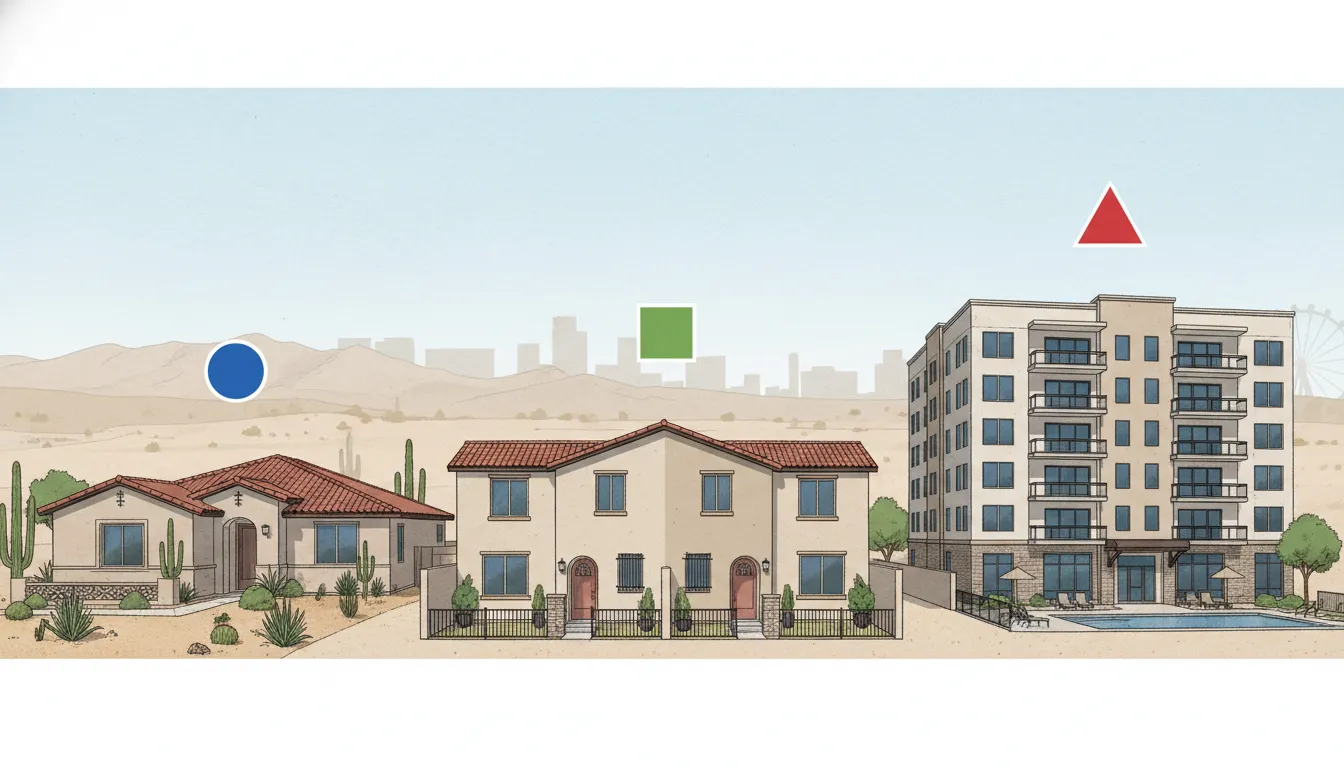
Right now, especially in markets like Las Vegas, new homes are often much closer in price to resale homes than they used to be. There was a time when buying new could cost dramatically more than a comparable resale. In many cases today, that gap has narrowed. That means a lot of buyers are looking at a brand-new home and thinking, “If the price is this close, why not buy new?”
That can absolutely make sense. A new home gives you current building standards, untouched systems, and in many cases builder incentives that can reduce your cost of entry. But it does not mean there are no upfront costs.
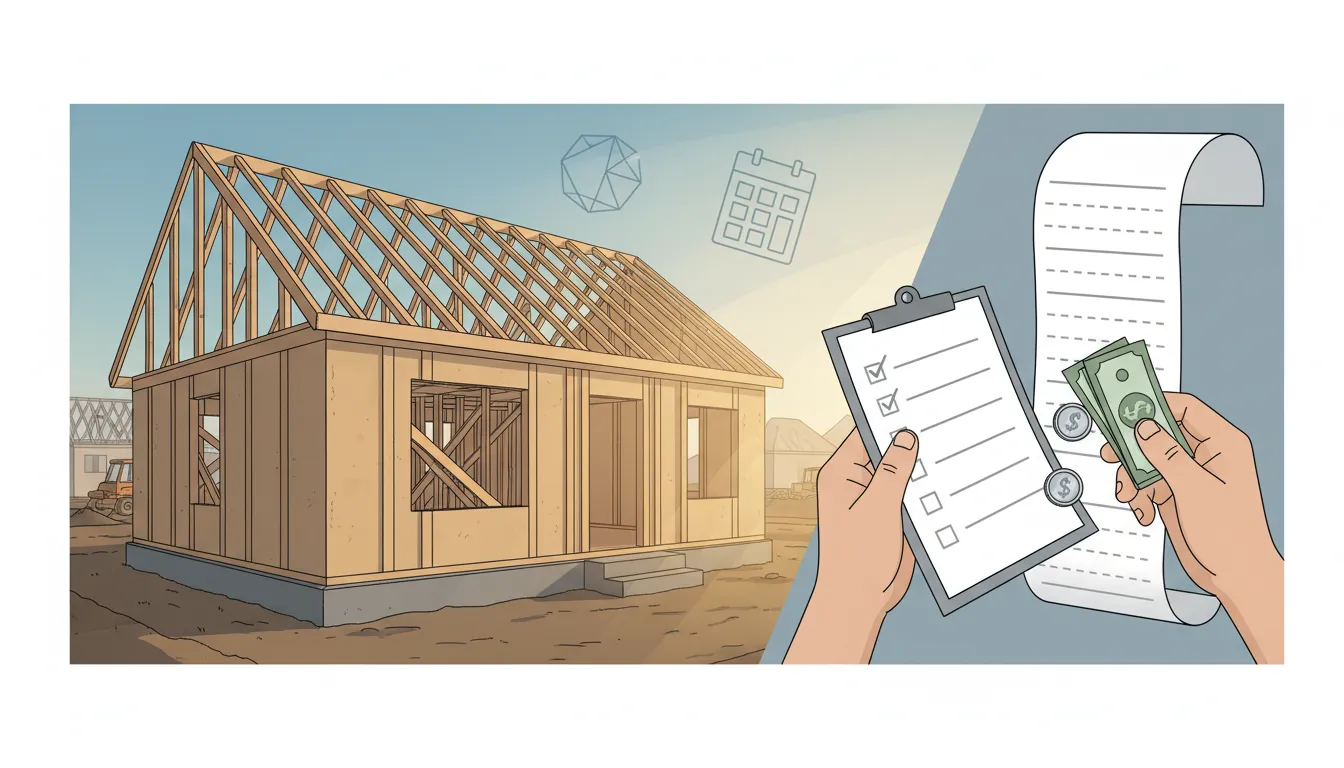
If you are comparing new construction vs resale, here is what you need to know about earnest money, appraisals, inspections, closing costs, lot premiums, and the little details that tend to catch buyers off guard.
🏠 Why upfront costs matter more than most buyers realize
When people say they are worried about affordability, they are usually talking about the monthly payment. That matters, obviously. But I have found that plenty of buyers can handle the payment and still get tripped up by the cash needed during the process.
That is especially true with new construction, because builders have their own contracts, their own timelines, and their own rules on deposits.
So before you fall in love with the model home and start picking cabinet colors, understand this: the upfront money for a new build usually comes from a few specific buckets.
- Earnest money deposit
- Upgrade deposits if you are building from the ground up
- Appraisal fees
- Inspection costs
- Potential closing costs, although many builders are covering a lot of these right now
Once you understand those pieces, the whole picture gets a lot less intimidating.
💵 Earnest money deposit: your first real out-of-pocket expense
The first major cost most buyers run into is the earnest money deposit, often called the EMD.
This is the money that shows you are serious. Think of it as your skin in the game. Builders hold that deposit just like a seller would in a resale transaction.
No matter what kind of financing you are using, you should expect an earnest money deposit of some kind.
For new construction, the builder typically sets the amount. I have seen it as low as around $2,000, and I have seen it go all the way up to $20,000 for luxury builders. In many cases, a pretty normal range is around $5,000 to $10,000, with $5,000 being common.
Some builders may offer lower EMD requirements for VA buyers, which can help. But even if you are using a loan with no down payment, that does not mean no upfront money at all. The earnest money deposit is usually still part of the deal.
Spec home vs build-from-dirt matters here
Not all new construction works the same way.
There are really two broad categories:
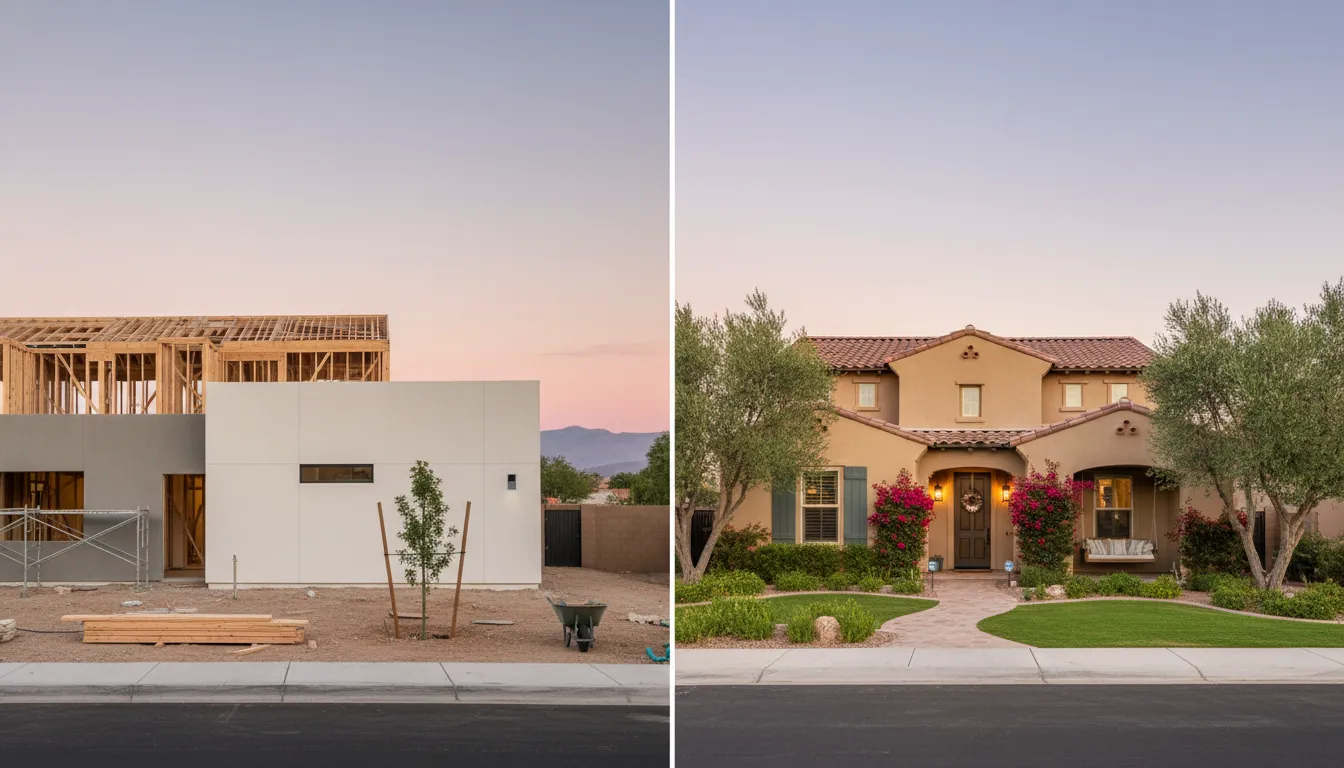
- Spec home: a home the builder already started or completed
- Build-from-dirt: a home you are building from the lot up, choosing finishes and upgrades along the way
If you are buying a spec home, the deposit structure is usually simpler. You will often have one set earnest money deposit and that is that.
If you are doing a build-from-dirt home, the upfront cost can be much higher because the builder may require additional money for the upgrades you select.
🧱 Building from the dirt up: how upgrade deposits work
This is one of the biggest areas where buyers get surprised.
When you are starting with a dirt lot and personalizing the house, the builder is taking on more risk. You are not just buying a house. You are choosing options, design features, and upgrades that may be specific to your tastes.
Because of that, many builders require a percentage of the upgrade cost to be paid upfront.
That percentage varies by builder and by community. It can also vary depending on whether you are in a standard neighborhood or a luxury development. But a common number is around 10% of the upgrade amount. I have also seen it as low as 5% and as high as 20%.
So if you choose $100,000 in upgrades, you may be expected to put down another $10,000 to $20,000 depending on that builder’s policy.
That is real money. And if you are not prepared for it, that design center appointment can get expensive fast.
My advice is simple: before you sign anything, ask the builder these questions directly:
- What is the base earnest money deposit?
- What percentage of upgrades is due upfront?
- When is that money due?
- Is any of it refundable?
Those four questions clear up a lot of confusion before it starts.
⏳ What happens if you change your mind?
This is another question buyers ask all the time, and they should.
With resale homes, contracts usually include contingency periods that may give you a certain number of days to back out under specific terms. With new construction, the builder contract handles this differently.
In general, there is a right of rescission, and that period is commonly about 5 days. That means once you sign, you may have a short window to cancel and get your money back.
After that period, things get much less flexible.
If you back out after the rescission period ends, you may forfeit your deposit. That is why I always tell people to slow down before signing a builder contract. Model homes are designed to make everything feel exciting and easy. The contract is where the real business starts.
Do your homework before the signature, not after.
🇺🇸 VA loans, down payments, and appraisal costs
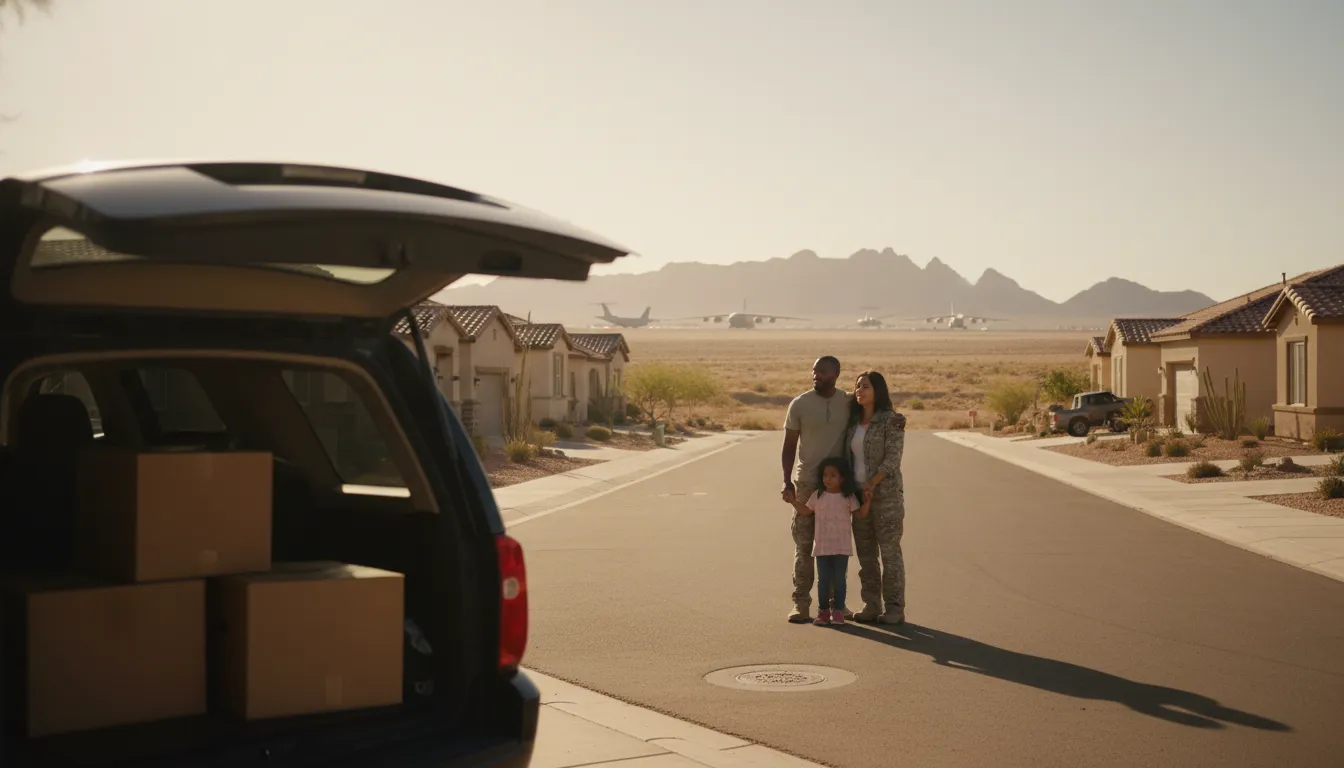
If you are using a VA loan, one of the biggest advantages is the obvious one: no down payment.
Zero. Zilch. Nada.
That can make new construction much more accessible, especially when paired with builder incentives. But no down payment does not mean no upfront cost at all. You can still have earnest money, appraisal fees, and inspection costs.
For buyers using other types of financing, the down payment will depend on the loan product.
- Conventional financing does not automatically mean 20% down
- Many conventional buyers put down 5% and pay PMI
- FHA has its own down payment structure
- VA is the one that generally allows no down payment
Appraisal fees
The lender will still need an appraisal because the bank wants to confirm the home is worth what they are lending on it.
That part is not unique to new construction. The difference is that the fee can vary by loan type. In the example discussed here, a VA appraisal was roughly $675, with conventional appraisals generally coming in lower.
Sometimes the builder or the preferred lender covers this fee. Sometimes they do not. You need to ask.
The builder’s lender issue
Now here is one of those things that may not be written in bold letters on the brochure, but it matters.
When buyers use the builder’s preferred lender, the appraisal process often goes much more smoothly. I am just being honest about what I have seen. In many cases, those deals appraise without much drama.
When buyers go outside that lender, things can get more complicated. There are situations where the appraisal comes in short, and suddenly everyone is looking around the room trying to figure out what happened.
That does not mean you must always use the builder’s lender. It does mean you need to understand the tradeoff. If the builder is offering closing cost help, interest rate buydowns, and a smoother appraisal path through their lender, you need to compare that against whatever outside financing option you are considering.
🧾 New build closing costs vs resale closing costs
Buyers are often surprised to hear this, but closing costs on a new construction home are mostly similar to a resale purchase.
The big difference is that there are typically two items the builder may not cover the way a resale seller often would:
- Real Property Transfer Tax (RPTT)
- Owner’s Title Policy
Those two line items can add up.
The owner’s title policy may land around $1,500 to $1,700 depending on the price of the home. The transfer tax can be around $2,500 on a $500,000 home.
Using the rough formula discussed, a $500,000 purchase could put the transfer tax at about $2,550.
On a resale home, the seller traditionally pays that transfer tax. On a new build, the buyer may be the one handling it unless the builder is covering it as part of an incentive package.
That last part matters, because many builders right now are offering aggressive incentives. In a lot of cases, they are covering most or all of the closing costs and also throwing in an interest rate buydown.
That means your actual cost to close on a new home may end up being lower than expected, even if the contract technically puts some of those charges on you.
So do not stop at asking, “What are the closing costs?” Also ask:
- How much of the closing costs is the builder covering?
- Does that require using the preferred lender?
- Is there an interest rate buydown included?
- Are title policy and transfer tax covered?
🔎 Why I still recommend an inspection on a brand-new home
A lot of buyers assume a new house does not need an inspection because, well, it is new.
I strongly disagree.
Even with a VA appraisal, which is more thorough than a standard appraisal and checks that the property is habitable, that is still not the same thing as a full inspection.
You should still hire a real inspector.
And when it comes to new construction, not just any inspector. You want somebody who knows how to inspect a new build against current building standards.
That is why a proper new construction inspection often costs more. Do not be shocked if the quote is around $600 to $650 instead of the lower numbers people associate with older resale inspections.
The reason is simple. A solid inspector for new construction is not just checking whether the lights turn on. They are inspecting based on what the building standards are right now. Codes, methods, materials, spacing, and installation standards change. An inspector who does not stay current can miss issues that matter.
That extra money is buying expertise, not fluff.

📍 Lot premiums: what they are and what they are not
Lot premiums are one of those builder terms that can sound mysterious until you break them down.
A lot premium is the extra amount a builder charges for a more desirable homesite. That might be:
- A cul-de-sac lot
- A corner lot
- A lot with extra distance from neighbors
- A homesite that sits in a particularly desirable part of the community
If you are buying a spec home, that premium may already be baked into the total purchase price. Or there may be no separate lot premium at all, depending on the builder.
If you are selecting a lot for a build-from-dirt home, the premium is often shown separately during the purchase process.
One important point here: lot premiums generally go toward the price of the home. They should not be treated as some random extra holdback. They are part of what you are paying for the property.
About those “views”
Buyers love views. Builders know buyers love views. But there is a reason builders are careful with the wording.
They are generally not selling the view itself.
You might have a lot that currently overlooks mountains, the Strip, or open space. That may absolutely influence the lot premium. But the builder is not guaranteeing that nothing will ever be built in front of you later.
That is an important distinction.
If preserving a view is a huge part of your decision, do not assume the scenery is protected just because it is beautiful today.
📋 A simple way to estimate your new construction upfront costs
If you want a clean mental checklist, here is the practical version.
When I help someone evaluate a new build, I want to know these numbers first:
- Earnest money deposit
- Any upgrade deposit percentage
- Down payment requirement based on loan type
- Appraisal fee
- Inspection fee
- What closing costs the builder is or is not covering
- Whether the builder lender is required for incentives
- Any lot premium
Once you have those numbers, the conversation gets a whole lot easier.
You stop guessing. You stop relying on vague phrases like “low money down” or “great incentives.” And you can compare one builder to another, or compare new construction against a resale home, using real math instead of wishful thinking.
🤔 FAQ: New construction upfront costs
Do I need a down payment for a new construction home?
It depends on your loan. A VA loan generally has no down payment. Conventional and FHA loans may require one. Even with no down payment, you may still need earnest money, appraisal fees, and inspection costs.
How much earnest money do builders usually require?
It varies by builder and community. A rough range can be $2,000 to $20,000, with many buyers seeing something around $5,000. Luxury builders may require more.
Is the earnest money refundable?
Usually there is a short rescission period, often around 5 days, during which you may be able to cancel and get your money back. After that, if you back out, you may lose the deposit.
What is the difference between a spec home and a build-from-dirt home?
A spec home is already built or already under construction with selections largely made. A build-from-dirt home starts from the lot, and you usually choose upgrades and finishes. That second option often comes with extra upfront upgrade deposits.
How much do upgrade deposits cost in new construction?
Builders often require a percentage of the upgrades you choose. Around 10% is common, though some builders may require 5% or as much as 20%.
Do I still need an inspection on a brand-new house?
Yes, I strongly recommend it. A new construction inspection should be done by someone familiar with current building standards, not just general resale inspections.
Are closing costs lower on new construction than resale?
Not automatically, but many builders are currently offering incentives that cover most closing costs and even buy down the interest rate. The structure is similar to resale, but the incentives can make a big difference.
What are lot premiums in a new home community?
Lot premiums are extra charges for more desirable homesites, such as corner lots, cul-de-sacs, or lots in premium locations within the neighborhood.
✅ The bottom line
If you are buying a new construction home, do not just ask what the home costs. Ask what it costs to get in the door.
That means understanding the earnest money deposit, whether you are buying a spec home or building from the ground up, what happens if you cancel, how your loan affects the numbers, and whether the builder is actually offsetting your costs through incentives.
The good news is that new construction can still be an outstanding value. In many cases, buyers are getting:
- A home priced competitively with resale
- Builder-paid closing costs
- Interest rate buydowns
- New systems built to tighter standards
But the key is going in with your eyes open.
When you know the real out-of-pocket expenses upfront, you can make a smart decision instead of an emotional one. And when you do that, the whole process gets a lot less stressful.
Categories
Recent Posts