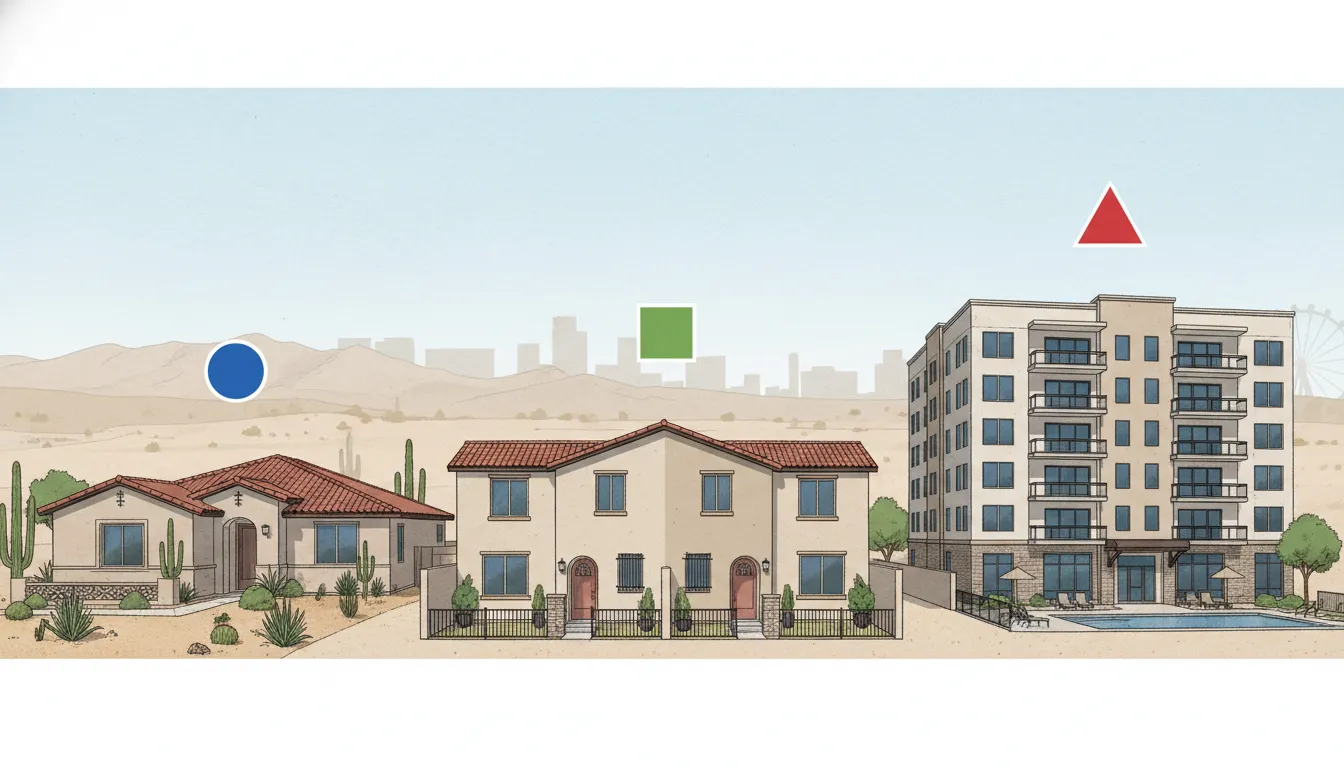
Why New Homes in Las Vegas Can Cost Less Each Month Than Resales

Why New Homes in Las Vegas Can Cost Less Each Month Than Resales
Saturday morning, gas in the car, one eye on the road and the other on my notes. I had three great clients from YouTube in town this week, and one of those stories turned into a lesson worth sharing. If you are shopping for a home in Las Vegas or anywhere builders are active, there are a few industry quirks that will surprise you. The headline I want you to walk away with is simple: under the right circumstances a brand-new home can actually cost you less per month than a resale property. Yes, you read that right.

Out-of-town buyer story 🧳
I recently worked with Greg, a soon-to-be retiree after 40 years with the Department of Defense. He flew in with his sister, had a little family celebration on the side, and wanted to look at new homes because he was planning to retire to Las Vegas. We did the usual preapproval, went over goals, and focused on new construction. He's not a veteran, but I often use VA loan numbers during these conversations because the math is clean — no down payment to muddy the comparison — so they make great teaching examples.
Greg wanted to know what he could comfortably afford on a monthly basis. That number is what most buyers start with: how much can I pay per month and how much house does that buy? The surprising part came when I broke down the actual loan math and showed him how builder incentives change the equation.

Interest rate buy-downs and real payment math 💸
Let me walk you through the numbers I used with Greg because this is where the lightbulb went on. These are straightforward examples, no tax or HOA allowances built in, just the principal and interest monthly payment so we can keep it simple and apples to apples.
- Example baseline: A $450,000 house with a 6.2 percent interest rate (this is a reasonable ballpark nationally for a conventional VA-style rate depending on lender and credit). That payment comes to about $2,756 per month.
- Builder buy-down example: Many builders are offering rate buy-downs on their inventory homes. If the builder buys your rate down to 3.99 percent on the same $450,000 price, your payment drops to about $2,146 per month.
- Middle ground: If a builder is offering something like 4.99 percent, that payment is roughly $2,413 per month — still less than the 6.2 percent example.
Those savings are not trivial. On the 3.99 percent example you are saving roughly $610 each month compared to 6.2 percent. Over a year that's more than $7,300. Over a multi-decade mortgage it becomes a life-changing number. But there is another twist: because the builder lowered the effective interest rate, that same monthly budget buys you a much larger mortgage.
For example, using the monthly payment that matched my buyer's comfort level at $2,756 (the 6.2 percent, $450,000 case), if a builder offers 3.99 percent you could afford roughly a $578,000 house instead for the same monthly payment. At 4.99 percent you could afford about $514,000. That is a huge difference in buying power — easily $60,000 to $128,000 more home for the same monthly payment depending on the buy-down.

How builder buy-downs actually work 🏗️
When builders advertise that they will buy your rate down, think of it like a short-term subsidy. They either pay mortgage rate buydown points up front to the lender or they offer lender credits that reduce the buyer's interest rate for a period of time. That cost comes out of the builder's pocket rather than the buyer's. From the buyer perspective the effect is identical: a lower monthly payment or access to a larger loan amount without increasing your monthly outlay.
Why are builders doing this?
- To make their homes more attractive in a market where interest rates are visible and impact monthly payment expectations.
- To move completed inventory quickly. An inventory home that sells faster lowers the builder's carrying cost for interest, insurance and marketing.
- To compete with resales and other builders; buy-downs are an effective marketing tool when buyers are rate sensitive.
The important nuance here is supply and demand. When builders have lots of inventory or softened demand, they tend to be more generous with incentives. When sales are brisk, incentives shrink.

New-build pricing myths vs reality 🧾
One persistent myth is that new houses are always more expensive and therefore a bad financial choice. That line of reasoning often comes from older-school agents or listing agents protecting resale listings. Let me clear this up: price is only part of the monthly equation. Interest rate matters, and when a builder reduces your effective rate, the monthly numbers can flip the script.
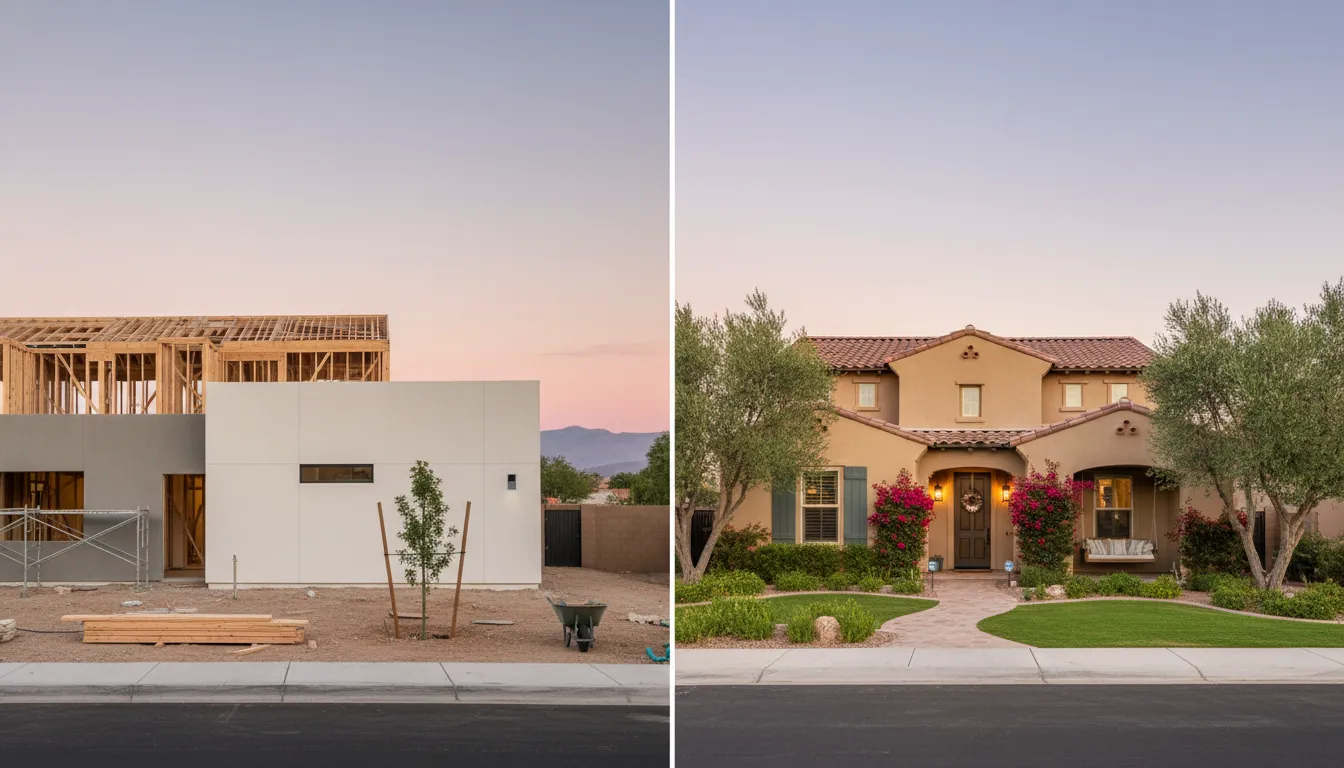
I saw a concrete example recently in a comparison Beazer presented in a realtor education session. They showed a brand-new home in their community on an equal-sized lot selling for $10,000 less than a 20-year-old, un-upgraded home nearby. The new home also came with a lower interest offer by dint of buy-down incentives. So you would hypothetically pay less for the newer home and be locked into a lower effective monthly payment. If you factor in a lower maintenance burden and modern systems, that becomes an even clearer win for buyers in many cases.

Reading the fine print: incentives, commissions, and timing 🕰️
Not all incentives are created equal. When I tour communities I ask the hard questions and read the fine print for my clients. A few things to watch for:
- Is the incentive on inventory homes only? Builders often distinguish between spec inventory and build-to-order homes. Inventory homes are completed or near completion and typically receive the best incentives.
- Is the buy-down temporary or permanent? Some lender credits lower the initial rate for a short period, some buy points that permanently reduce the interest rate, and some are structured as a temporary buydown that changes after a few years.
- Are commissions being paid to buyer agents? Builders change policies depending on their sales volume. During heavy sales they may pay smaller commissions or offer fewer incentives to agents; during slow sales they may increase incentives to move product and sometimes change agent compensation. That can affect how enthusiastic listing agents and buyer agents are at a given community.
We are in a market where builders are selectively generous. Trilogy was offering around $20,000 incentives to apply toward upgrades or closing costs in some cases. KB Homes in one neighborhood had trimmed incentives compared to earlier in the year — down to $8,000 from $20,000 or $30,000. Those shifts tell you a lot about demand in a particular community.

Community tours and HOA realities 🏘️
Location and lifestyle matter just as much as math. We toured several communities with Greg and my other YouTube clients. One stop was Trilogy, a well-known active adult community. He loved the lifestyle — the clubhouses, the amenities, the social calendar. But the HOAs gave him pause.
HOAs vary widely:
- Single-family homes in Trilogy might have HOAs around $375 per month — not cheap for Las Vegas, but those fees buy a lot of amenities.
- Smaller attached product like duplexes ran higher in that community, closer to $550 per month.
- Condos or village homes could be over $700, depending on services and shared amenities.
When you weigh a builder buy-down against HOA dues, run the numbers. A lower interest rate can drastically reduce your mortgage payment, but a higher HOA can offset those savings. Is the lifestyle worth the trade? For some buyers yes, for others no. That is exactly what happened with Greg — he fell in love with the lifestyle and then blinked at the HOA fees and decided to keep looking.

Where the best bargains live 🔎
Two rules of thumb have held up for me for years when hunting bargains in new construction:
- You will usually get your best bargains on homes that are already completed or in the final stages of construction. Why? The builder wants to move the home off the books and reduce carrying costs. The closer to completion, the more leverage the buyer can have.
- The greatest discounts are usually on spec or inventory homes because the builder has sunk money into those homes already and needs to sell. Build-to-order or custom homes have less room for deep discounts because the builder’s cost structure is different and you are asking to customize.
So if you want the best deal and you do not need to customize every detail, look at inventory. That is where the instant buy-downs and closing cost credits live. If you insist on choosing every finish and want a longer build window, expect fewer headline incentives, although sometimes builders will still be flexible on pricing during slower seasons.
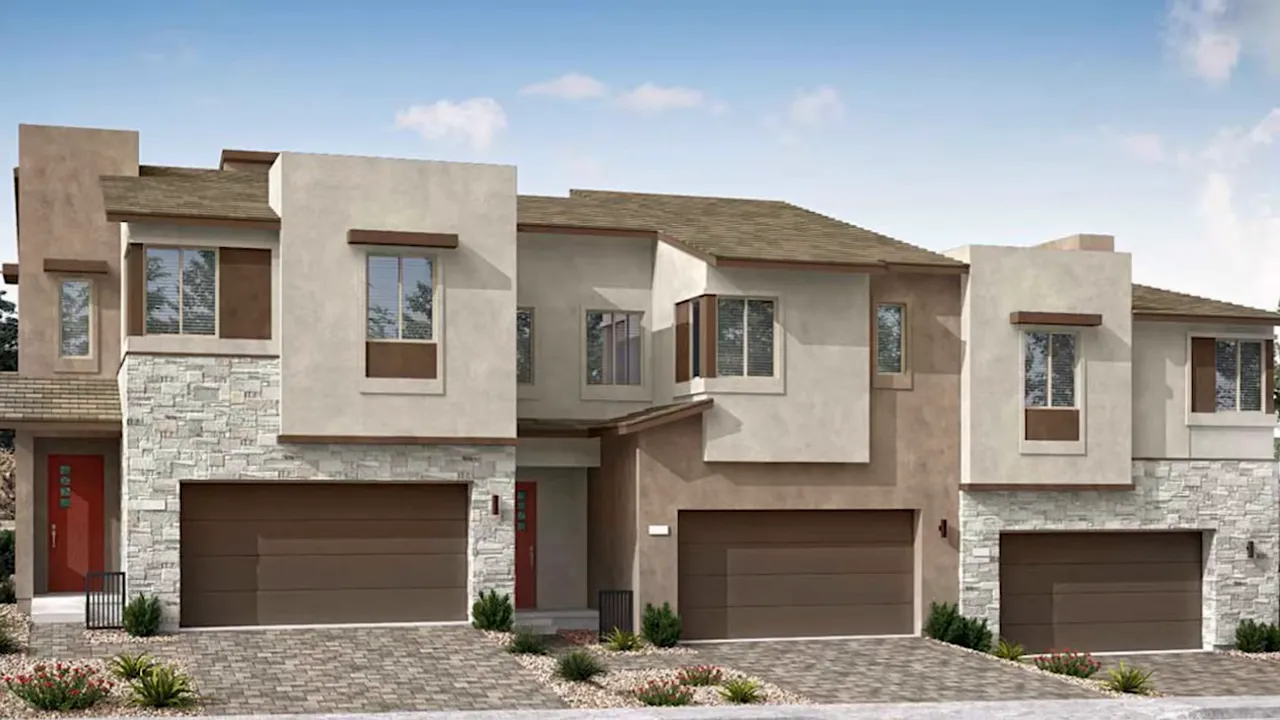
Fast remote closing win: the 3-week story ⏱️
One of the coolest wins this week was a truly remote close. I had another couple from YouTube who got preapproved, joined the interest list, and started house hunting virtually. We did Zoom tours, I screen-shared approximately every angle for them, and we found a house they loved. From preapproval to closing it took three weeks total. From going under contract to closing it was only 2.5 weeks. Yes, that is fast, but totally possible when everything lines up:
- The home was empty and essentially ready to transfer.
- All parties were responsive; lenders, title, and the seller cooperated.
- We avoided delays like incomplete HOA docs and utility cutoffs.
Speed like that is great, but it is also risky when other parts of the transaction get sloppy. That brings me to a cautionary story I want to unpack because it was ugly and it could have killed the close.

A cautionary tale: HOA docs, utilities, and discount agents ⚠️
We had one transaction where the listing agent and seller tried to be as cheap and breezy as possible. That attitude nearly derailed everything. There are a few legal and contractual items you cannot shortcut:
- HOA resale package. In our state and standard practice, the HOA package for a resale must be ordered by the seller or the listing agent. The buyer cannot be the one paying for or ordering it. There are timelines spelled out: order within two days of offer acceptance and delivery typically within ten days of ordering. If those timelines are not followed, the title and closing timeline gets messy fast.
- Utilities during listing and inspection. Many listing agreements and local regulations expect utilities to remain on during the listing and through the inspection period. Sellers that cut utilities to "save money" create inspection delays and force reinspection triggers that can cost everyone time and money.
- Agent competence and communication. I call out low-commission, low-effort listing agents as "Teeu realtors" — agents that go cheap on service. When agents are not prepared to manage basic deadlines and federal-state requirements, buyers and sellers both suffer.
In the deal I referenced we repeatedly asked for the HOA package and got conflicting answers. One party claimed the title company had ordered it; the title company denied it. The seller's agent then tried to finesse the timeline by saying "we are closing early" even though the contract date was later. In the end we closed early because the house was empty and the seller agreed, but the risk to the buyer was real because if the HOA package had not arrived in time we could not have met the target closing date.

Practical steps to avoid paperwork headaches ✅
If you are mobile, buying remotely, or working with a builder or resale, here are the practical checklist items I have my clients follow to avoid the kind of headaches we saw:
- Confirm who orders the HOA package up front and get a copy of the order confirmation. Sellers should comply with the two-day/ten-day timeframe where applicable.
- Keep utilities on during listing and inspection unless otherwise specified in writing by local counsel. Escrow holds or earnest money agreements can reference any exceptions.
- Get explicit commitments from the lender, title, and both agents on the expected closing date and what happens if required documents arrive late.
- Have backup plans for virtual inspections and communicate about reinspection fees if utilities are off or access is problematic.
Spec homes versus build-to-order: risk and reward ⚖️
I mentioned spec homes earlier, and that distinction is worth repeating. Spec or inventory homes are the ones builders already built without a buyer on contract. Build-to-order homes are started when a buyer commits and chooses finishes. Spec homes often give you the deepest incentives because the builder has already spent money and wants to sell. Build-to-order homes give you customization but fewer discounts in most cases.
Choose spec if you value savings and speed. Choose build-to-order if customization and exact finishes matter more than the discount. Either way, understand where the money and risk lie and what trade-offs you are agreeing to.

How AI will change home search 🤖
I am excited about something else we talked about on the drive: AI. Right now buyers often have very specific requests that are not easily searchable on MLS filters — examples like "no carpet downstairs" or "primary bedroom on the ground floor" or "finished garage and solar-ready roof." Historically, the only way to find those specific pictures was to manually sift through thousands of listing photos. That is tedious and often impossible at scale.
Generative AI and image recognition tools are changing that. As tooling improves, we will be able to search listings by image features and descriptions, so the software can pull up houses that match subjective criteria. Imagine being able to tell a search engine "show me single-family homes under 30 minutes to the strip, with no carpet downstairs, built after 2018, and with a mountain view" and getting a curated list with accurate photo-based matching. That will save buyers and agents enormous time and reduce the friction of remote house hunting.

Final thoughts and next steps ✨
Here are the takeaways you should bookmark:
- Always compare monthly payment scenarios, not just list price. Interest rate buy-downs can dramatically change what you can afford.
- Inventory and spec homes are the place to look for the biggest builder-driven incentives. They can make new homes cheaper monthly than resales.
- Evaluate HOA fees, not just mortgage payment reductions. Amenities are great, but fees can erode savings.
- Protect yourself on the paperwork side. Confirm HOA package ordering, utility status, and inspection scheduling early.
- Use technology smartly. Virtual tours and AI-powered searches can find homes that match very specific needs and speed up remote purchases.
I love working with buyers who are curious and want to use every lever available to get more house for their money. If you are moving to Las Vegas or just shopping from out of town, understand the trade-offs, and lean on someone who will run the numbers and hold everyone else to the deadlines.

Frequently Asked Questions ❓
How can a new construction home cost less per month than a resale home?
Builders often offer interest rate buy-downs or lender credits on inventory homes. Those incentives lower your effective interest rate and reduce the monthly principal and interest payment. When you compare monthly payments rather than face value prices, a new home with a buy-down can end up costing less per month than an older resale with a higher financed interest rate.
What is a rate buy-down and who pays for it?
A rate buy-down is when points or lender credits are paid up front to reduce the buyer's interest rate. Builders sometimes pay these points as an incentive. It can be a permanent reduction in rate or a temporary buydown that reduces payments for a set period. The builder or seller pays the costs up front, not the buyer, when presented as a sales incentive.
Should I choose a spec home or build-to-order home?
If your priority is price and speed, spec or inventory homes are often the best choice because they come with stronger incentives and faster closings. If you want full customization and are willing to pay more or wait, build-to-order might be better. Consider the trade-offs in incentives, customization, and timeline before deciding.
Who is responsible for ordering HOA resale packages?
Standard practice is that the seller or the listing agent orders the HOA resale package. In many places there are contractual timelines, such as ordering within two days of acceptance and receiving materials within ten days. Buyers should confirm who ordered the package and when to avoid closing delays.
What issues can slow down a fast closing?
Missing HOA docs, utilities being turned off during the inspection period, title issues, and unresponsive agents or lenders can all delay a closing. Confirming timelines and getting written commitments from all parties mitigates these risks. When everything is coordinated you can close in a matter of weeks; when paper trails get messy the process stalls.
How will AI change home searching?
AI and image recognition will enable more sophisticated searches based on property photos and features not currently searchable in MLS filters. That means you can search for specific design attributes or combinations of features across thousands of listings quickly, making remote house hunting practical and more precise.
Are builder incentives permanent?
No. Incentives fluctuate with supply and demand. During slow sales builders may offer larger incentives, and during busy periods those incentives can shrink. That is why timing matters and why being on an interest list or working with an experienced agent who tracks builder shifts matters.
How do I compare new construction vs resale properly?
Compare monthly payments rather than just sale price. Include effective interest rate, HOA fees, taxes, insurance, and maintenance expectations. Add projected utility and repair savings for newer homes, and weigh lifestyle benefits of community amenities. Running multiple scenarios side-by-side gives you a clear picture.
Parting note 🏁
I wrapped this up at the pump because that is how my Saturdays roll: a little hustle, a little flow, and a couple of lessons for folks who want to move to Las Vegas or are watching the market. If you are using your monthly budget as the primary decision metric, don’t forget to plug in the actual interest rate and not just the list price when you compare options. New builds can be a surprising weapon in your home buying toolkit when you look at the true cost to carry month to month.
Keep your eyes open for inventory specials, read the paperwork early, and don’t let cheap agents or sellers cut corners that cost you time. When that all lines up you can score a deal faster than you think — I’ve closed deals in under three weeks and helped clients get more house for their monthly dollar with smart strategy and a bit of grit.
Categories
Recent Posts