Why Homes Sit Too Long in Las Vegas and How Buyers Get the Best Deals | Carpool Confessions

Why Homes Sit Too Long in Las Vegas and How Buyers Get the Best Deals | Carpool Confessions

The market right now 🏁
I talk to agents every week and the headline never changes: there are headwinds. Houses sit. Sellers are lowering prices or taking listings off the market. Las Vegas is often leading the pack, but this is a national story. Two-thirds of sellers are making concessions to buyers. Why? Because a lot of sellers start off on the wrong foot.
There’s a stubborn myth I hear all the time: “I’ll just price it high and wait for the right buyer.” That logic sounds okay until the house goes stale. Once a listing has been on the market for 90 to 150 days, buyers start asking questions. The “right buyer” suddenly becomes “why hasn’t this sold?” and bargaining power shifts away from the seller. If you’re a buyer, this is prime real estate strategy: when sellers make these mistakes, buyers can run the field.
Price it for the market, not your emotions 💰
Overpricing is the number one mistake. I’ve heard every variation of it in my 12 years doing this: “Let’s test the market,” “We’ll wait for a California buyer,” “We’ll just see what happens.” Here’s the reality: more sellers are lowering prices today than homes are actually selling. You can always lower a price, but it’s very hard to raise it after the listing goes stale.
Practical pricing rule: list where comparable, recent sales put you. Price slightly aggressive if you want traffic, but don’t price into fantasy land. When the market comes to meet you, it will almost always meet you on the downside if the listing has been sitting too long.

Renovations are tricky. If you do work, do it for the buyer, not to satisfy your own preferences. I once had a seller who wanted wall-to-wall carpeting because that’s what he installed for clients. He was a carpet guy. But today most buyers want hard floors. A seller who fixes things in a way buyers don’t want can actually make things worse.
Smells kill offers faster than you think 🐶
Smells are subtle, but they annihilate offers. Pet odors, cigarette smoke, lingering cooking smells — buyers turn around and walk out. I listed a gorgeous property once: in-law suite, tennis courts, half-acre yard — showings through the roof, zero offers. Feedback kept coming back the same: dog smell. The seller kept saying it wasn’t an issue. He was wrong. When a dozen agents tell you the same thing, it’s the dog smell.
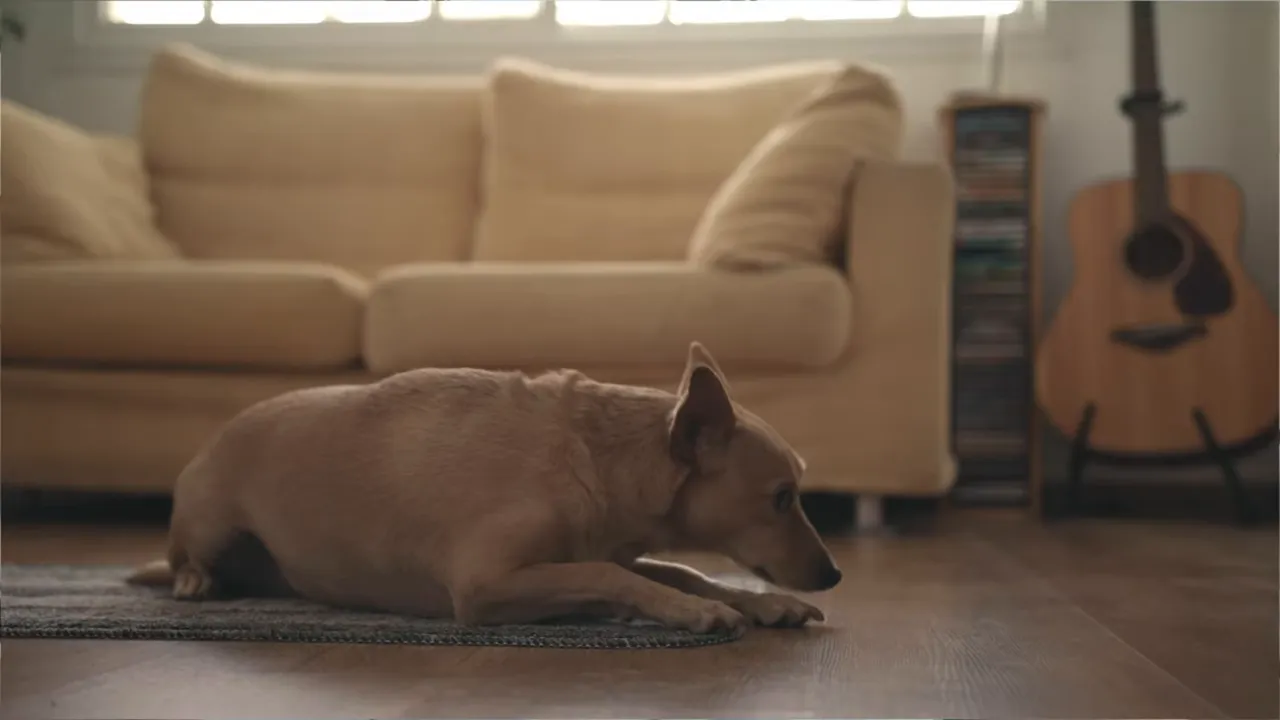
Here’s the good news for buyers: smells are one of the easiest things to fix. For sellers, it’s non-negotiable to eliminate smells before listing. For buyers, if a house is otherwise properly priced but has an odor, that’s an opportunity.
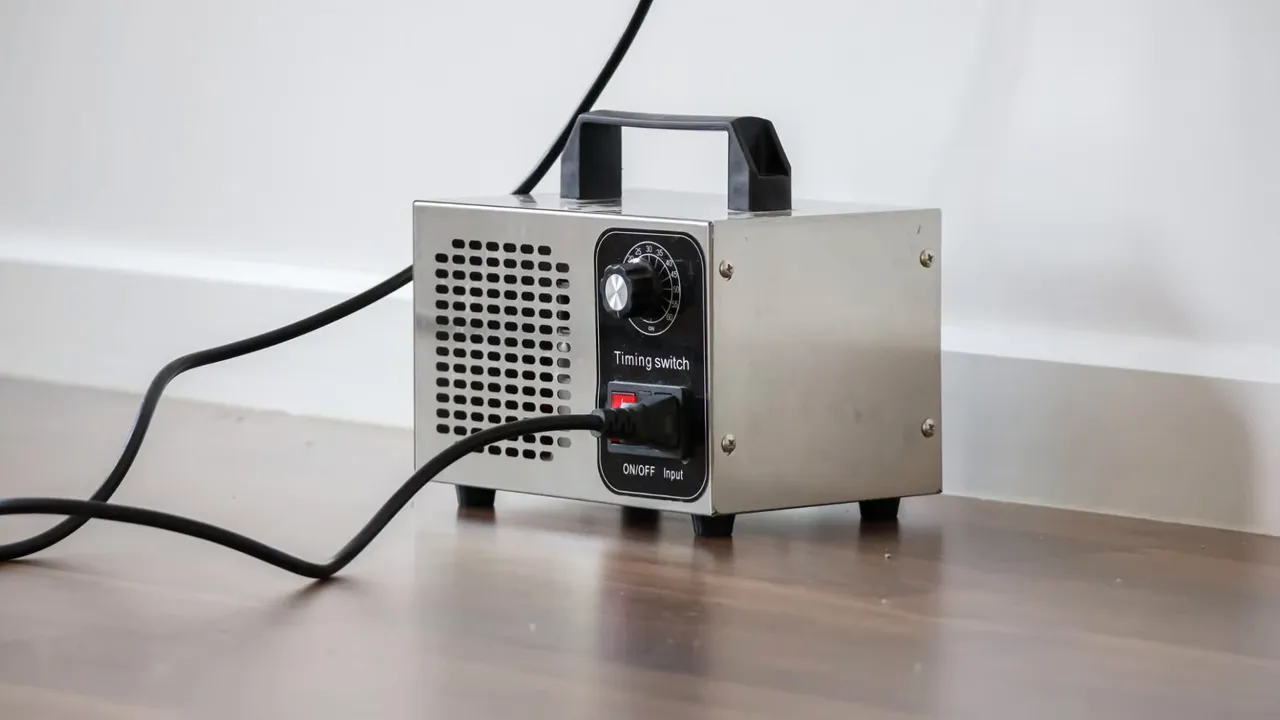
My secret weapon — ozone machines. Ozone treatment will neutralize smoke and pet odors when other tricks like candles or sprays only mask the problem. I keep several ozone units on hand and they transform a listing. If a seller doesn’t know about ozone or chooses not to use it, buyers can factor that into their offer strategy.
Who you listen to matters 🗣️
Stop taking real estate advice from Uncle Joe who sold a house ten years ago, or a cousin who’s licensed in a different state. Rules and customs vary across regions. The way contracts, inspections, and escrow work east of the Mississippi is often different from the west. A Florida agent telling Nevada clients how to run a deal is a recipe for confusion.
Also watch for hidden agendas. Real estate moves on referrals. Roughly half of transactions are referral-based and many of those are agent-to-agent. If a family member could benefit from steering you to their preferred agent, their “helpful” advice might actually be sabotaging your deal. Be wary of motives and ask for professional, local guidance.

Don’t be at showings — trust the process 🚪
Sellers showing up during open houses or private showings is one of the most damaging things someone can do. I had an expired listing where the family insisted on being present for every showing because they had trust issues. The house didn’t sell. We removed that obstacle, kept the sellers away, and it sold within ten days.
Buyers want to imagine their lives in the space without the owner looking over their shoulder. If you have trust concerns to the degree you feel the need to hover, you should probably hold off on listing until you can let go. For sellers, the best move is to leave the property spotless, unlocked, bright, and empty of people during showings.
Pets and showings: plan like a pro 🐾
“Please don’t let the cat or dog out” is not enough. Don’t just toss your pet in the backyard because buyers want to explore the yard. Make plans: drop them at a friend’s house, a kennel, or put them in the garage with the door closed. If you need to use a kennel, be transparent: say, “The dog is in a kennel.”
Buyers look in garages, closets, and storage. If your dog is in the garage and the agent opens the door during a tour, you’ll have an awkward situation. Anticipate where buyers will look and remove the pet entirely for showings.
Show-ready basics that actually matter ✨
Clean, clean, clean. This sounds obvious, but the number of stalls I’ve seen with unflushed toilets, diapers, bandages, and clutter tells me common sense can’t be overstated. Here’s a short checklist that will improve first impressions immediately:
- Flush toilets. Sounds silly, but buyers notice hygiene.
- Turn on lights and open blinds. Make the house feel bright and welcoming.
- Sweep, vacuum, and declutter. Remove personal items and excessive decor.
- Remove strong-scented items. No smoking, no heavy cooking smells before a showing.
- Secure valuables and personal paperwork. Buyers shouldn’t be looking through your stuff.
And stop assuming television home-flip cures will sell your house. Many of those HGTV-style flipped homes end up unsold because people overprice them or overlook underlying market realities.
Pre-inspection and repairs turn uncertainty into offers 🔧
Homebuyers crave certainty. A pre-inspection plus documented repairs reduces buyer anxiety and speeds the sale. Do the heavy lifting before listing: get a competent inspector, fix major issues, get the inspector back to verify, and then present that package to buyers. That level of transparency builds trust and often nets higher offers.
I had a property tied to a military client that sold faster and for more than other homes in the neighborhood because we prepared it thoroughly and addressed the things buyers worry about. Safety and certainty are worth paying for upfront because they help avoid price reductions later.
Let your agent do their job — and respect their time 🤝
One of the most common mistakes both buyers and sellers make is micro-managing the agent. If you’ve hired someone competent, let them work. Constantly telling them what to do or asking them to respond immediately while they are showing properties blocks their productivity and slows deals for everyone.
If you feel the agent isn’t performing, raise it calmly and ask for specifics. But don’t expect immediate answers at every hour. Real estate professionals juggle multiple clients and showings; responsiveness has to be balanced with the work of getting you a result.
MLS numbers are not gospel — read them with skepticism 📊
The statistics you see in the MLS can be misleading. I’ve caught dirty tricks where sale prices are adjusted in the system to make an agent’s track record look better. An agent might change a closing price to skew average sale-to-list ratios. That doesn’t mean all agents are dishonest, but it does mean those numbers need interpretation.
If you rely on raw MLS stats to justify a price or an agent’s performance, dig deeper. Look at actual closed sales, inspect the timing, and ask for the sale documentation if you suspect manipulation. I use supplemental services that clean the data, because accurate numbers matter when pricing or making offers.
How buyers can run the field — tactically 🏃♂️
If you’re a buyer scanning the market, use these seller mistakes to your advantage. Look for listings that:
- Have been on the market for 90 to 150 days
- Show evidence of smell-related notes in agent feedback
- Appear overpriced relative to comparable sales
- Show inconsistencies in condition versus price
When you find one, structure an offer that reflects the work needed or the reputational risks the property carries. If it’s simply an odor problem, factor in the cost of ozone treatment and minor repairs. If it’s been mispriced for months, offer accordingly and don’t be afraid to negotiate concessions.
Remember: buyers want certainty and value. If a seller has created uncertainty by overpricing, neglecting odors, or leaving visible maintenance issues, they’ve handed you leverage. Use it respectfully and strategically.
Bottom line: avoid these mistakes or exploit them wisely 🧭
For sellers: price appropriately, eliminate odors, pre-inspect and repair major items, keep the house spotless, remove pets and people during showings, and trust your agent to execute. Those small investments and behavioral changes prevent listings from going stale and protect your sale price.
For buyers: watch for stale listings and simple fixable issues. Smells are one of the easiest red flags to address — and one of the easiest ways to get a better deal if the price and condition otherwise match what you want.
Frequently asked questions ❓
How long is too long for a listing to stay on the market?
When a property reaches 90 days it starts to lose perceived value, and in slower markets that window can extend to 120 to 150 days. Once a listing goes stale, buyers assume there’s something wrong and leverage shifts toward the buyer.
Can odors really make or break a sale?
Yes. Pet odors, smoke, and strong cooking smells are immediate turnoffs. Even beautiful homes fail to convert showings into offers because of odors. Treatment with ozone machines or professional cleaning is often necessary and effective.
Is it worth getting a pre-inspection?
Absolutely. A pre-inspection followed by documented repairs reduces buyer uncertainty, increases trust, and can speed up the sale while helping you get a better price. Buyers like safety and certainty.
Should sellers attend showings?
No. Sellers should leave during showings. Presence can make buyers uncomfortable and prevent them from imagining themselves in the home. If trust is a major concern, consider delaying listing until you can let the property be shown without supervision.
Why do MLS numbers sometimes feel unreliable?
Some agents manipulate MLS entries to make statistics look better, such as altering list or sale prices. The MLS is a flexible system that can be gamed. Use cleaned data sources or ask your agent to walk you through comparable closed sales and documentation.
What’s the most overlooked fix that sellers can make?
Eliminating odors and deep cleaning. Sellers become nose-blind to their own homes, so something like pet smell becomes invisible to them while prospective buyers notice immediately. Taking care of that is high impact at relatively low cost.
Parting thoughts ✨
I’ve seen the pattern enough times to know what works and what doesn’t. Small, obvious actions — price appropriately, clean thoroughly, remove odors, pre-inspect, and trust your agent — will get your house sold faster and for more money. Buyers who pay attention to these seller missteps can find real bargains.
If you keep those practical steps in mind, you’ll avoid the common traps that make listings stale or you’ll recognize the opportunities when a seller has made them. The Las Vegas market is competitive and dynamic. Be prepared, be practical, and be strategic.
Categories
Recent Posts