Veteran Buyer Representation Explained: The Hidden Impact Of Real Estate Lawsuits | Las Vegas Nevada

Veteran Buyer Representation Explained: The Hidden Impact Of Real Estate Lawsuits | Las Vegas Nevada

I had a call recently from a family member of a veteran who felt their relative might be getting the short end of the stick during a move. That conversation laid bare how much the rules changed over the last year and how confusing it can feel for anyone — but especially for veterans and military families in the middle of a PCS. I want to give you straight talk about what’s happening, why it matters, and what to do so you don’t get stuck holding the banana peel.
🪖 Why this matters to veterans and military families
Moving while on active duty or transitioning into civilian life is stressful enough without having to learn a new set of rules around how agent commissions get handled. The practical truth is simple: many of the changes hit at the point where a buyer and their agent agree on how the agent gets paid.
If you’re using a VA loan, trying to match your BAH to a monthly payment, or timing a closing around orders and leave, the last thing you want is an unexpected commission bill or a surprise disagreement over incentives from a builder. A lot of these problems come from a few lawsuits that altered long‑standing market customs.
⚖️ The lawsuit that changed everything (and why people are still confused)
There was a sellers’ suit — referred to by some as Citer Bernett — that challenged the tradition where sellers paid buyer agent commissions out of the proceeds of the sale. One of the arguments tossed into the mix was: the seller signs a listing contract with their agent, but the buyer never signed a contract with theirs, so why should the seller be on the hook for the buyer’s agent?
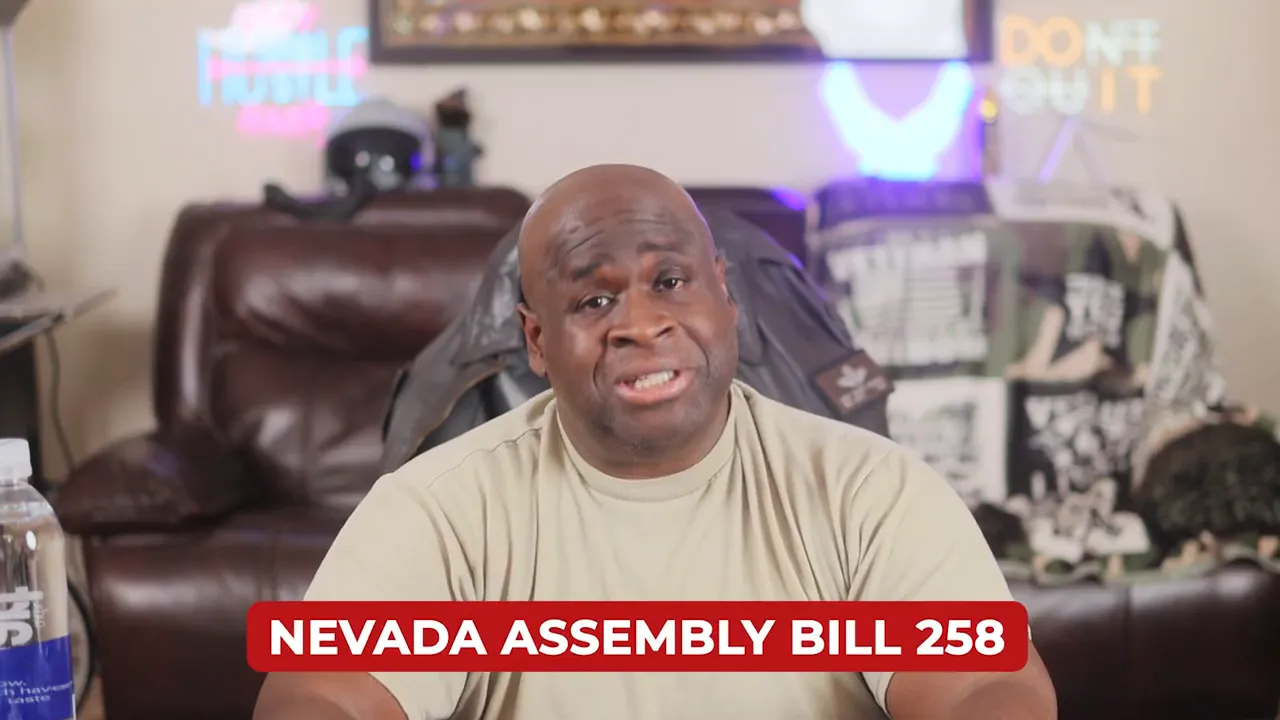
That mess led to settlements and new practices. As part of the fallout, buyer representation agreements suddenly became standard and, in many places, mandatory for the buyer to sign before an agent would represent them. Nevada even codified a version of this into law via Assembly Bill 258, which includes some surprising provisions about who needs to sign what and when.
All commissions are negotiable.
That line is worth repeating. Commissions are not set in stone. But the way negotiated commissions get documented now affects how much an agent can actually collect — and what happens when builders or sellers offer additional incentives.
🍌 The banana metaphor: how commission math works now
I like to keep things simple, so let’s talk bananas. Before the lawsuits, a buyer’s agent might show homes without making a big production of contracts. If a listing offered 2.5 bananas to the buyer’s agent but the agent wanted 3 bananas total, sometimes the buyer would make up the 0.5 banana difference. That was clunky but straightforward.
Now the number on the buyer broker representation agreement effectively sets the maximum amount that agent can ask for from the seller side. If the agent writes down 3 bananas on the buyer agreement but the builder or seller only offers 2 bananas through the MLS, that discrepancy has to be handled at the time of negotiation. If the agent negotiated a contract where a builder is offering 6 bananas but the buyer agreement says 3 bananas, the agent is typically limited to collecting only the 3 bananas they documented. The extra bananas? Those stay with the builder unless you explicitly contract for otherwise.

That’s where the confusion, resentment, and occasional greed show up. Some agents are savvy and call builders ahead of time. Others take a scattershot approach and write higher percentages expecting to pocket the difference. That can leave buyers wondering if they’re responsible for the shortfall or whether their agent is trying to chase extra commission.
🏗️ Builder incentives and new construction: what to watch for
Builders often advertise that they pay a commission to buyer agents. In many masterplanned communities and new construction neighborhoods you’ll see 100 percent of the standard commission being paid out. That’s great when everyone’s aligned. Problems pop up when:
- The buyer agreement lists a lower commission than the builder’s offering, and the agent sticks to the documented number.
- The buyer agreement lists a higher commission than the builder is offering, and the agent expects the buyer to make up the difference without explicit written consent.
- No one clarifies how builder bonuses will be handled — are they handed to the agent, used for buyer credits, or retained by the builder?

Simple rule: ask, confirm, and get it in writing. If your agent says they expect to collect more than what the builder paid, you should see that spelled out in the buyer broker agreement or in an addendum. If you don’t see it in writing, don’t assume anything.
🧾 What the buyer broker representation agreement should do for you
When I work with clients I treat the buyer broker agreement as a roadmap. It should clearly state:
- How much the agent is expecting to receive and whether any portion could be collected from you.
- What happens if a builder or seller offers a different amount — will excess incentives go to the buyer, the agent, or be split?
- How credits will be handled at closing if a builder offers bonuses for certain inventory homes.
- How long the agreement lasts and under what circumstances it can be terminated.
If the agreement reads like a form you were handed at a checkout line, ask questions. If the answers are vague, ask for clear language. If you’re a veteran juggling PCS timelines, clear language saves time and stress.

📌 Practical steps for veterans preparing to move
Here are the steps I recommend every veteran take before signing anything or going to a model home tour:
- Ask the agent up front: What commission do you expect to be paid? Are you going to accept the builder’s offer, or will you be asking me for the difference?
- Get it in writing: If there’s any chance the agent will expect additional payment from you, it should be in the buyer broker agreement or in a clearly dated addendum.
- Confirm builder offers: If you’re considering new construction, ask the builder to provide the standard cooperating agent commission in writing for the specific home you’re looking at.
- Understand your protections: Check local laws like Nevada’s Assembly Bill 258 and know your rights. If you’re outside Nevada, check your state’s stance on buyer broker agreements.
- Don’t let urgency force mistakes: PCS deadlines and move windows create pressure. That’s when people sign without reading and end up with surprise charges or missed incentives.
- Work with someone who communicates: If you feel pressured by an agent, get a second opinion. Your agent should be answering texts and emails without making you feel like you’re bothering them.
🌍 Why European-style models didn’t take root here
There’s been a parade of companies trying to transplant the European model — where buyers pay up front or pay agent fees differently — into the U.S. Some even promised huge savings. Most of them failed. People in the U.S. don’t like paying up front for an outcome they can’t guarantee. Our system evolved for reasons, and while it isn’t perfect, it’s resilient. New entrants that don’t account for buyer behavior and local market expectations often flame out.
At the same time, large platform companies testing new fee structures drew legal attention, counterclaims, and more litigation. That legal churn creates uncertainty that trickles down to everyday buyers and agents.

🛑 Common mistakes I see and how to avoid them
- Signing without reading: This is the single biggest mistake. Read the buyer broker agreement. If something is ambiguous, have it clarified.
- Assuming all builders handle incentives the same way: They don’t. Ask for written confirmation specific to the home you want.
- Believing verbal promises: If an agent promises a specific split or buyer credit, get it in writing.
- Letting stress drive decisions: If you feel rushed during a PCS, pause and ask for a day to review documents. You can’t unring a bell at closing.
🎯 Final thoughts
These contract changes and lawsuits have thrown a lot of sand in the gears of how people have traditionally bought homes. That’s frustrating, especially when you’re trying to move a family, juggling orders, schools, and work. My advice is to keep it practical: communicate clearly, get everything in writing, and work with an agent who will answer the tough questions and keep your interests front and center.
I’m a big believer that most agents are trying to do the right thing, but the rules have made it easy for misunderstandings and a few bad actors to create headaches. Keep your head up, ask the right questions, and don’t be shy about insisting on clarity. That way you protect your wallet and your timeline — and that’s what matters when you’re moving for duty or transitioning to civilian life.
❓ Frequently Asked Questions
What is a buyer broker representation agreement?
A buyer broker representation agreement is a contract between you and your buyer’s agent that outlines the agent’s duties, how they will be paid, and other terms of representation. It documents the commission the agent expects to collect and any circumstances where you might be asked to pay a difference.
Do I have to sign a buyer broker representation agreement?
In many markets the answer is yes if you want full representation. The recent settlements stemming from seller-side lawsuits made these agreements much more common, and some states have codified related requirements. If you prefer not to sign, you may still be able to work with agents, but expect limited service or different arrangements.
Who pays the buyer’s agent now?
Traditionally the seller pays out of the proceeds of the sale. Today that practice still exists, but because buyer agreements document the agent’s expected compensation, discrepancies between what the seller/builder offers and what the agent wrote down must be handled explicitly.
What happens if a builder offers a higher commission than my buyer agreement states?
If the buyer agreement lists a lower amount than the builder’s offer, the agent might only be entitled to the lower documented amount unless there is a separate written agreement stating otherwise. That’s why builders often require a copy of your buyer broker agreement before honoring any bonuses.
Can I be charged the difference if my agent listed a higher commission than the builder pays?
Only if you agreed to that in writing. Agents cannot unilaterally demand the difference without a written agreement. Always read the buyer broker agreement carefully and insist on explicit wording if the agent expects you to make up any shortfall.
How does Nevada’s Assembly Bill 258 affect me?
Nevada’s AB 258 added clarity around buyer representation documentation and when agreements are required. If you’re buying in Nevada, read AB 258 to understand obligations for both agents and buyers. If you’re buying elsewhere, check your state’s rules — many states have seen similar changes through court settlements.
What should veterans prioritize during a PCS when it comes to representation?
Prioritize clarity and timelines. Make sure your agent understands your PCS window, gets any builder or seller offers in writing, and spells out commission expectations in the buyer broker agreement. If you have specific VA loan concerns or need seller concessions timed to your move, communicate that early so it can be negotiated into the contract.
Categories
Recent Posts