AI Is Taking Over Real Estate by 2026 | Are You Ready?

AI Is Taking Over Real Estate by 2026 | Are You Ready?

I talk to people every day about buying and selling homes. Lately what keeps coming up is artificial intelligence. It is moving faster than most folks realize and by 2026 it will change how homes are priced, marketed, shown, and bought. I want to lay out what I see coming, why it matters, and what you should do now whether you want to sell a house or buy one.
🤖 Why 2026 Feels Like a tipping point
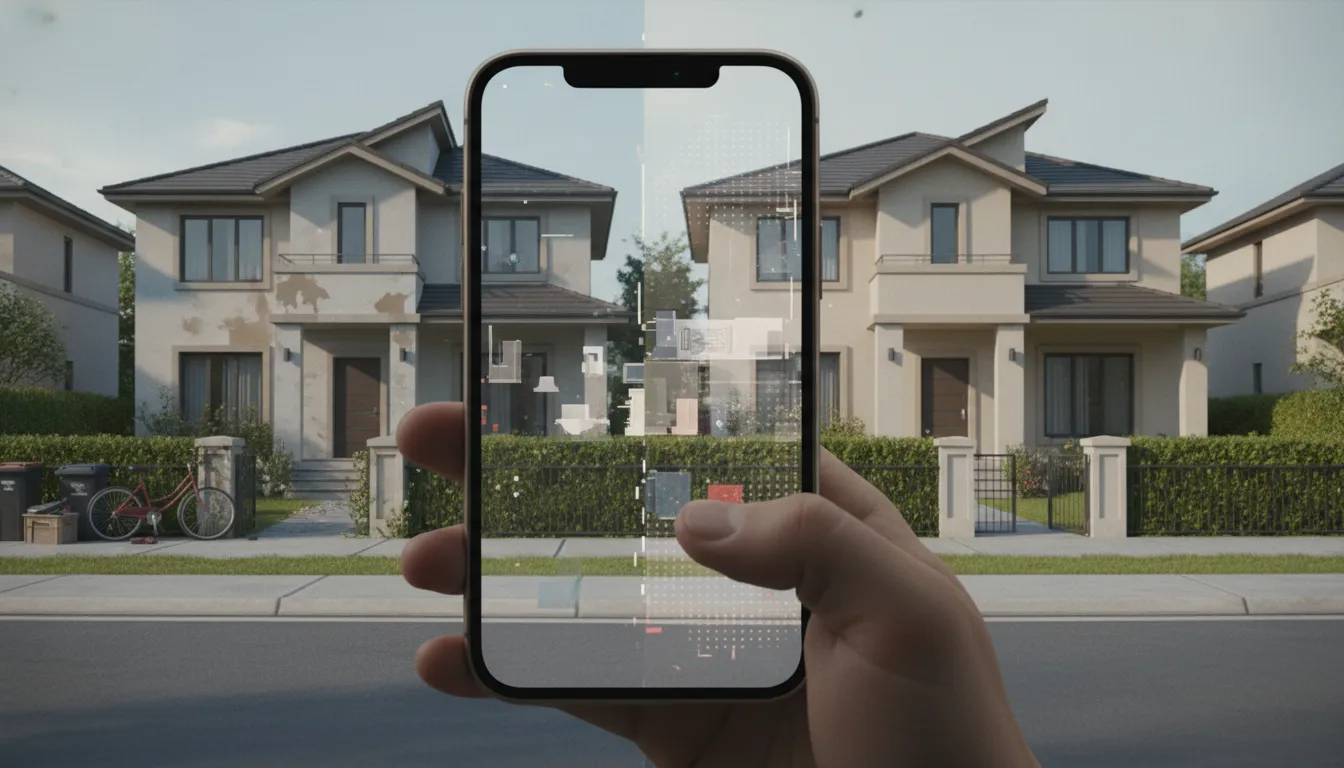
AI did not show up yesterday, but the pace of capability is staggering. Systems that once only guessed ballpark values can now analyze photos, compare subtle quality differences across thousands of listings, and write spot-on listing descriptions in seconds. That means the old fuzziness in pricing and marketing is going away.
Here is the short version of what I mean. Where people used to be able to say, "I want to price my house here hoping to get that" and hold out for a buyer who fell in love, AI is bringing precise truth to the table. Buyers will know what a home really offers before they step inside. Sellers who keep pretending their home is something it is not will get exposed fast.
🏷️ Valuations and listings: from estimates to near-certainty
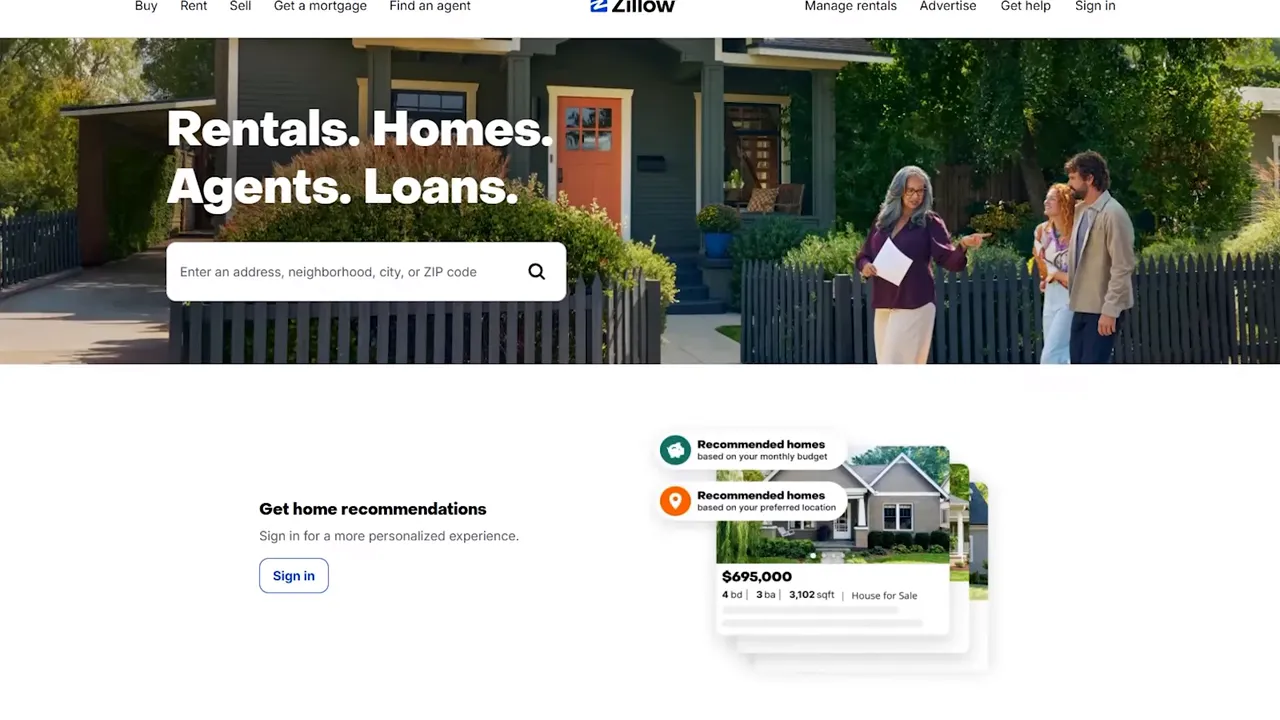
Zillow's Zestimate and other public estimates were useful because they gave a quick sense of value. They were always a guesstimate. Now the new generation of tools actually dig into the photos, features, quality differences, upgrades, and comparables at an entirely different level.
- Photo analysis: Feed an AI the listing photos and it will identify room types, materials, and even estimate room dimensions.
- Quality scoring: Instead of treating every three-bedroom house the same, AI can compare finishes, layout efficiency, and subtle value drivers.
- Automated listing copy: Upload the photos and a few facts and the AI writes accurate, compelling descriptions for MLS and marketing channels.
The result is that public-facing estimates become harder to argue with. When buyers can pull a deeper, more accurate picture of a home in seconds, it changes negotiation leverage. Overpricing becomes an even bigger mistake because the market can now identify the right price range without as much guesswork.

🔍 Buyer qualification: fewer showings, better matches
One of the most disruptive shifts will be how buyers are screened. For years sellers tolerated running dozens of people through an occupied house because agents believed some unqualified person might turn into a buyer someday. With AI that wasteful funnel gets smaller.
AI tools can do two things quickly:
- Verify buyer documents and lender credentials through online portals and integrations.
- Match buyer intent and affordability with specific homes so only truly qualified prospects request a showing.
I have seen situations where a buyer walked in with a preapproval that looked good on its face but, in reality, came from a lender with limited standing. Today an AI check could flag that immediately. In the near future sellers will demand that buyers go through secure portals before scheduling a showing, and agents will run automated checks on lender reliability and buyer readiness.

🏡 Showing restrictions and the protected open house
Expect more homes, especially higher priced ones, to require prequalification before an appointment. That is not me trying to make things difficult. It is a practical way to stop wasting everyone’s time and to protect sellers who live in their homes. No more twenty people traipsing through with muddy shoes when they do not have the financing to buy even two sticks of matches.
This will change agent workflow. Instead of lots of casual showings, an agent’s calendar will fill with fewer but higher-quality visits. Sellers will appreciate the decrease in foot traffic and the increase in meaningful offers. Buyers will see fewer homes, but the ones they do see will be the ones that truly match their criteria.

🧭 Buyers: be honest and focus your search
When AI is filtering listings, it rewards specificity. If you say you want a certain neighborhood, exact square footage, and special features, AI will present you the small set of homes that actually meet those constraints. If your wants are vague, you will either get a flood of marginal matches or nothing that truly fits.
I talk with buyers who want to “look at houses” when they are not even prequalified. It is fun to window-shop, but when the market and the technology that powers it begin to prioritize only real matches, undecided window-shoppers will find themselves off the priority lists. If you want to buy for the best price, get realistic about your must-haves and your finances now.

📣 Sellers: overpricing is the death knell
Everything I see says the same thing: overprice and you risk not only not selling but losing leverage. AI will make it obvious which homes in the market paid closing costs, which homes accepted concessions, and which homes truly sold for full price.
When buyers have this level of transparency, emotional pricing rarely wins. The market will favor listings that are honest about condition and price and that are optimally marketed to the subset of buyers identified by AI as the most likely to convert.

🚨 A story about preapprovals and why tech saves time
I once had a buyer who handed me what looked like a preapproval. The paperwork said everything was fine. Turns out that buyer had been banned from buying at a particular builder because of prior issues, yet the preapproval wasn't cleaned up. If an AI had checked builder systems and lender credibility, that would have been flagged immediately.
That kind of catch is going to become standard. Sellers and listing agents will insist on portals that verify buyer documents and lender quality automatically. That reduces the risk of wasted showings and bad faith buyers and speeds up the entire process.

🛠️ What agents must do to stay relevant
The agents who panic will lose. The agents who adapt will thrive. AI is not just a threat; it is a tool. Here is what I recommend for any agent who wants to stay ahead:
- Use AI for faster, better marketing: Let AI analyze photos and write listing copy that highlights true value drivers.
- Integrate qualification portals: Require buyers to register and verify prior to showings, especially for higher-end listings.
- Vet lenders, not just preapprovals: Use data to confirm a lender’s reliability and a buyer’s history of closings.
- Learn campaign design: AI can predict which audience is likeliest to buy a specific home. Use that to target ads and outreach rather than blasting every list.
- Keep human skills sharp: Negotiation, local knowledge, and client care remain critical where machines can’t replace relationships.
🎯 Practical steps if you plan to sell in the next 12 months
If you are preparing a home for market, here is a checklist I use that works in the AI era:
- Get a third-party appraisal or an AI-informed market analysis to set a realistic price.
- Order high-quality photography and supply full photo sets to AI tools for accurate listing content.
- Set up a secure buyer portal and require prequalification documents and lender verification before showings.
- Identify the buyer profile with AI tools and tailor marketing campaigns to that audience instead of mass marketing.
- Be ready to negotiate on closing costs if comparable sold homes in your area are paying them.
These steps reduce time on market and increase the chance you will receive an offer that really closes.
🔎 Practical steps if you plan to buy now
As a buyer, your job is to get ready and to be honest. Here is what I advise:
- Get preapproved from a reputable lender and be willing to have that lender’s credibility checked.
- Sharpen your criteria. Be clear about neighborhoods, square footage, and must-have features.
- Use portals and tools that let you signal serious intent so AI matching picks you for good properties.
- Be flexible on timing and concessions if you want a competitive advantage in a market that now exposes reality quickly.

📈 Marketing and ad ecosystems: who pays and who wins
Websites make money selling ad placements to agents and lenders. Some large portals obfuscate listing agent contact information because clicks and leads are their business. But voice assistants and integrated AI agents are starting to surface that contact data in ways those portals did not expect.
For example, a simple voice query to a smart assistant can return comprehensive property details and the listing agent contact. That bypasses ad funnels and reconnects buyers with local professionals. Expect more tools that cut through middlemen and reestablish direct relationships between buyer, seller, and agent.
⚖️ What AI will not replace
AI is powerful, but it does not replace everything. Here are elements that remain human:
- Local expertise: Knowing neighborhood character, local schools, and upcoming area plans is more than data points.
- Negotiation finesse: AI can suggest tactics but cannot read the human nuances of an offer conversation at closing time.
- Emotional coaching: Buying and selling are emotional journeys. People will still need someone to guide them through fear and excitement.
🔮 Final outlook for 2026
I call 2026 a watershed year because the tools that used to be experimental will be mainstream. Whether you buy, sell, or work in the business, you need to prepare. If you ignore these changes you will be out-competed by those who adopt them.
My main recommendations are straightforward:
- For sellers: Be realistic about price. Let AI help find your true buyer. Require verified interest prior to showings.
- For buyers: Get certified, get specific, and use technology to signal serious intent.
- For agents: Embrace AI for better marketing and screening. Use it to spend more time on the parts of the job that require a human touch.
❓Frequently asked questions
Will AI replace real estate agents?
No. AI will automate many tasks such as valuation, photo analysis, and listing copy. Agents who adopt AI will free up time to focus on negotiation, relationships, and the local expertise that machines cannot replicate. Agents who resist will find themselves out-competed.
How will AI change home pricing?
AI makes pricing more precise by analyzing photos, finishes, market comps, and even buyer behavior. That increases transparency and reduces the effectiveness of emotional overpricing. Accurate pricing will win offers faster and with fewer concessions.
Do sellers need to require online portals for showings?
For higher-priced homes and situations where time is valuable, yes. Portals that verify buyer preapprovals and lender quality prevent wasted showings and protect occupied homes. Expect this to be more common by 2026.
How can a buyer stand out in an AI-powered market?
Be prepared. Get a solid preapproval from a reputable lender, be specific about your criteria, and register in seller portals if requested. Being credible and decisive will put you ahead when AI presents a short list of true matches.
Are public portals like Zillow still useful?
Yes. They remain a starting point. But realize that their automated estimates are broad. The new AI tools go deeper. Use both: public portals for discovery and AI-enhanced analysis for precision.
📬 If you want help
If you plan to buy or sell in the next year, take these steps now. Get preapproved, get realistic about pricing, and ask your agent whether they are using AI tools for marketing and buyer screening. The market will increasingly reward preparedness and honesty.
I am out checking new communities this week that are not yet on any public books. That is an example of where local knowledge still matters. Technology finds the details. Humans know how to put those details in context and how to move a deal across the finish line.
Keep your expectations honest, use the tools that are available, and be ready to act when the right opportunity appears. 2026 will separate those who adapted from those who did not. I would rather be on the adapting side with you than looking back and wishing we had started sooner.
Categories
Recent Posts