Vegas Home Prices Fall While Inventory Rises | January 2026 Housing Market Update

Vegas Home Prices Fall While Inventory Rises | January 2026 Housing Market Update
🔎 Quick snapshot
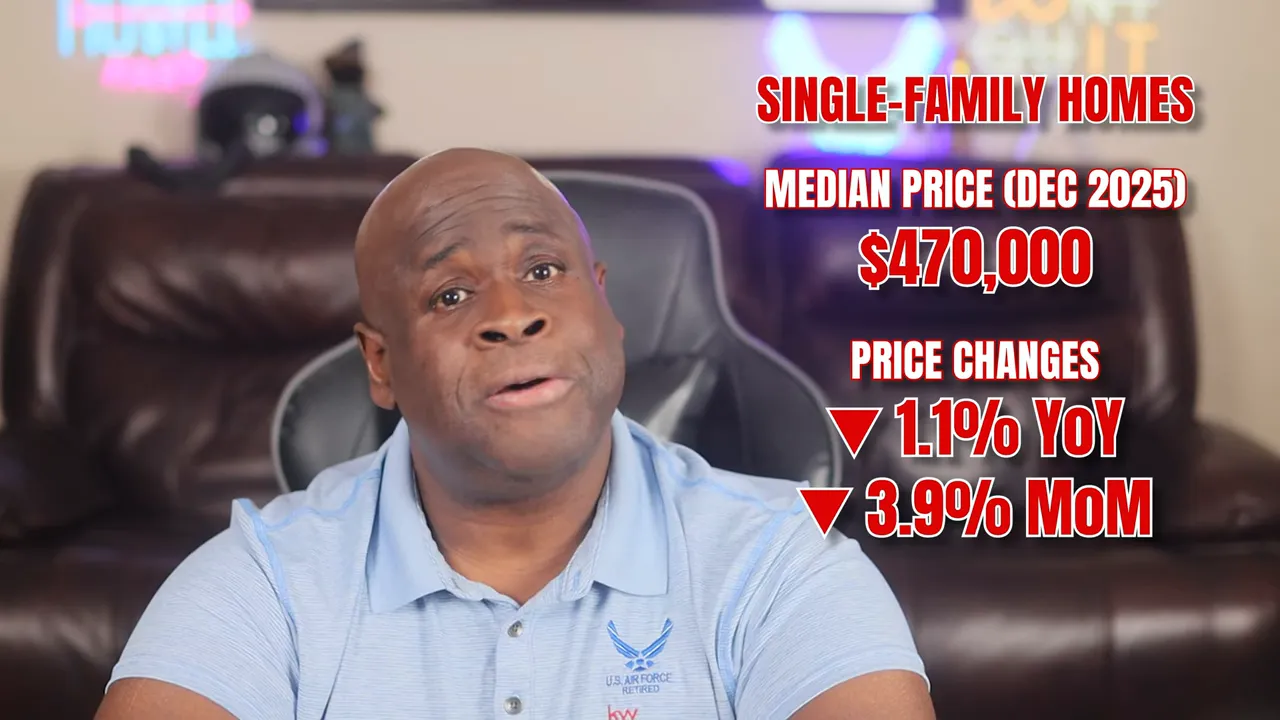
I keep things simple: numbers matter and context matters more. In December 2025 the median sales price for a single-family home in Las Vegas landed at $470,000. That is down about 1.1% year over year and roughly 3.9% from November—almost a $19,000 swing after an all-time high in November. Does that mean a crash? No. It means the market is rebalancing after several unsustainably hot years.
📉 What actually changed in 2025
2025 felt like a market coming back to earth. We saw roughly 28,500 homes sell—the lowest annual sales volume since the earlier decade’s slowdowns. That number looks dramatic against the pandemic-era frenzy when we were pushing 50,000 sales in 2021, but it’s part of a normalization. Three main forces produced the slowdown:
- Higher mortgage rates in the 6 to 7 percent range, which made monthly payments heavier for buyers.
- Elevated home prices after years of rapid appreciation, which reduced affordability for many households.
- Lock-in effect where homeowners with sub-4 percent rates stayed put rather than trade up or move, shrinking available inventory.
Put those together and you have fewer buyers able or willing to transact and fewer sellers willing to list. That’s a recipe for cooling, not collapse.
🏠 Single-family market breakdown
Here’s what I watch first: median price, months of inventory, and days on market. In December 2025:
- Median single-family price: $470,000.
- Change from November: -3.9% (after an automatic seasonal and market cooldown from the record high).
- Change from December 2020: +36% — homeowners still sit on significant equity compared to five years ago.
The nearly $19,000 decline feels headline-worthy, but when you account for seasonal patterns and that November was an outlier record month, the drop looks like a correction rather than the start of a freefall. I expect prices to be relatively stable this year with modest appreciation—not massive monthly swings.
📦 Inventory and what "months of supply" means
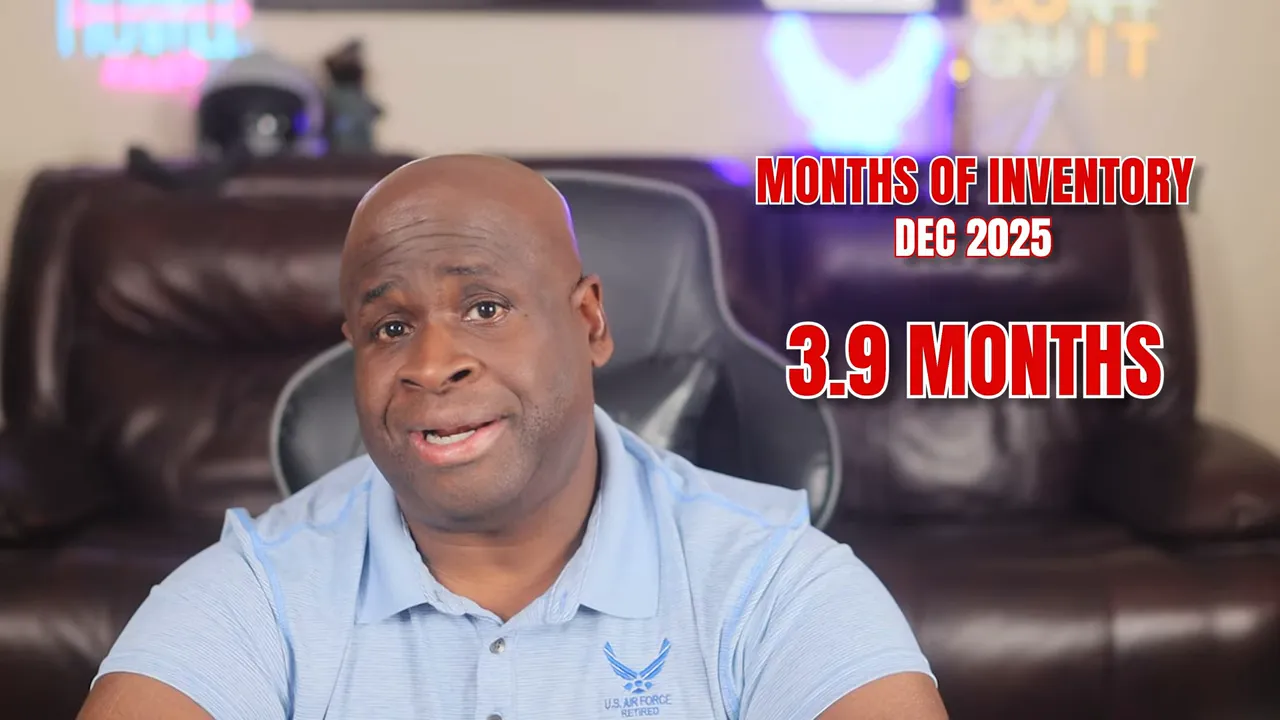
Inventory is the single stat most buyers and sellers should pay attention to. Las Vegas had 3.9 months of inventory in December. For context:
- Balanced market: 5 to 6 months of inventory.
- Under 5 months: favors sellers.
- Above 6 months: favors buyers.
We were at 2.7 months a year earlier, so this is a meaningful shift toward balance. That extra supply is giving buyers more breathing room and negotiating power, which is why sellers are now seeing concessions appear—closing cost credits and seller-paid rate buydowns that were rare two years ago.
⏱️ Speed of sales: days on market
In December only about 45% of homes sold within 30 days, versus 50% a year earlier. That might not sound like much, but psychologically it’s a massive shift away from the instant-offer market of 2021. Buyers now have more time to think and more room to negotiate. For sellers, that means presentation and pricing matter more than ever.
🏢 Condo and townhome market: where the opportunity is
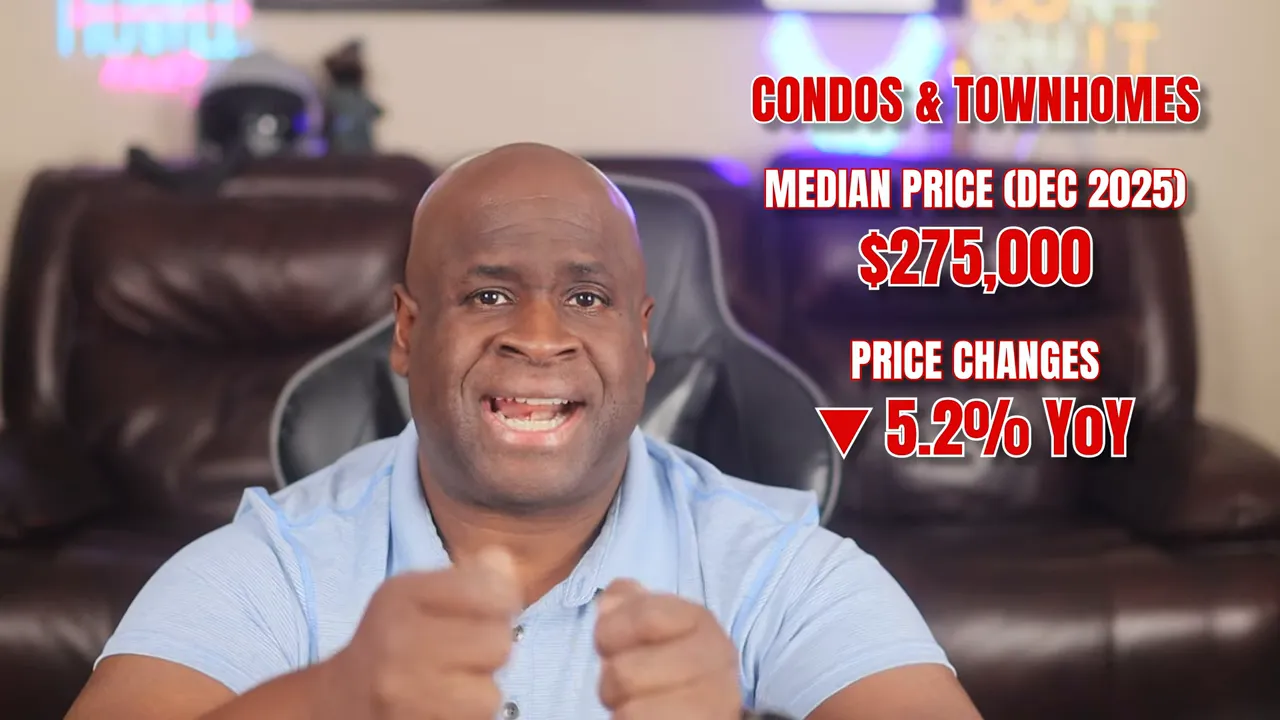
The condo and attached-home market is telling a different story and deserves special attention. December 2025 median price for condos was $275,000, down 5.2% from last year and a notable 9.5% from November. That places condo prices well below their all-time high of $315,000 set in 2024.
Two structural issues are weighing on condos:
- Rising HOA costs. Insurance and maintenance expenses have forced many associations to increase dues. Underfunded reserves have led to special assessments in some complexes, which means the monthly housing cost for condo owners is higher and less predictable.
- Financing challenges. Lenders are scrutinizing condo finances more closely: reserve levels, delinquent dues, and owner-to-renter ratios. When a complex fails lender requirements, the pool of qualified buyers shrinks and sales slow dramatically.
Result: expected market time for attached homes sits around 193 days vs 147 days for single-family homes. For informed buyers—especially cash buyers—this is where deals appear. But navigate carefully: research HOA health and lender acceptability before committing.
📈 National context and mortgage rates
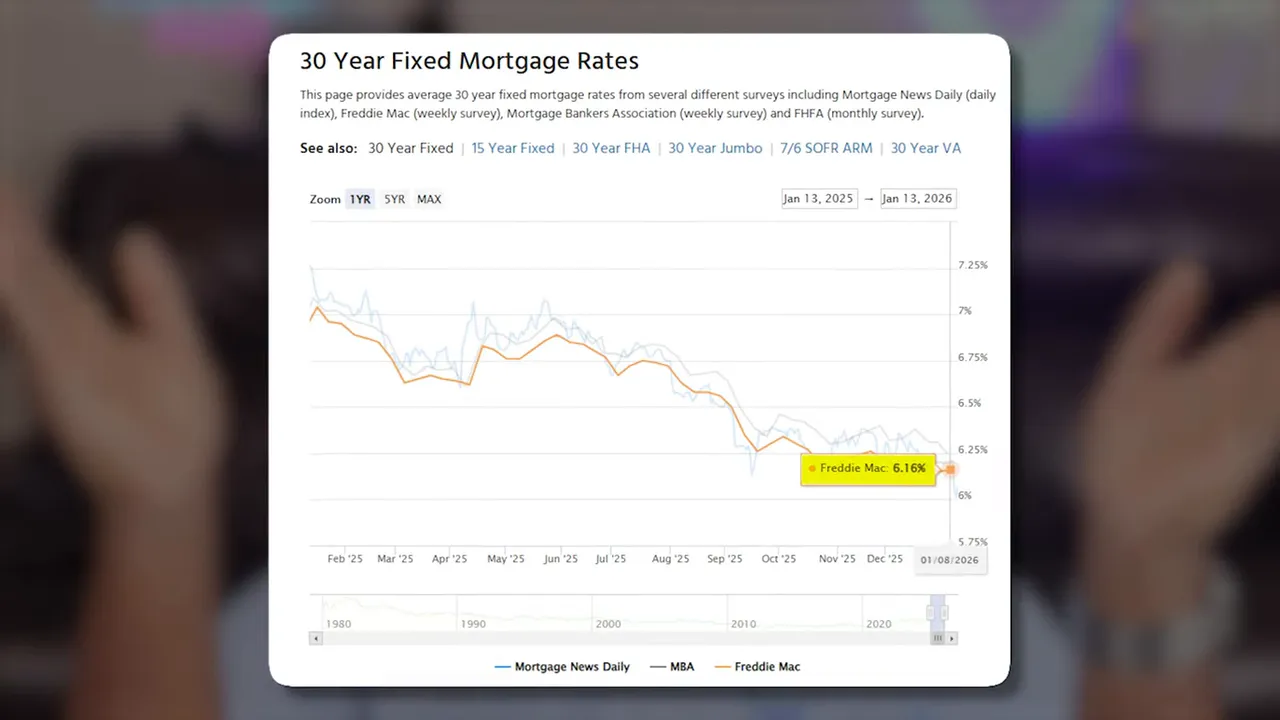
No local market exists in a vacuum. National mortgage rates were higher in 2025 and have moderated going into 2026. The 30-year fixed has been around the mid sixes; as of early January it flirted with the low six percent range. That movement is huge for purchasing power.
As an example: a drop from 7 percent to about 6.25 percent on a mortgage can translate into roughly $75,000 more purchasing power for a buyer targeting a $5,000 monthly payment. That can move someone from a basic house to a property with a pool, or into a different school district. Most forecasts, including the Mortgage Bankers Association, expect rates to hover in the low to mid six percent range through 2026.
🏙️ What is driving Las Vegas in 2026
Several local tailwinds give me confidence that Las Vegas will continue to perform:
- Lock-in easing: life events—job changes, relocations, growing families, retirements—are slowly forcing inventory into the market despite low-rate anchors.
- Improving affordability: wage growth finally beginning to outpace home price growth makes buying relatively more attainable.
- Economic diversification: tech, healthcare, and sports investment have reduced the city's old single-industry exposure to tourism.
- Demographics: Millennials are in their prime buying years and make up a steady demand base.
These forces support steady absorption of inventory and temper the chances of a crash.
💎 Las Vegas luxury market strength
Luxury tells a different story. In December there were 147 luxury home sales (roughly homes priced over $1 million) with a median sale price around $1.45 million. Luxury prices are up about 8.5% year-over-year, which signals continued demand from high net worth buyers who are less sensitive to interest rate moves. That segment remains a confidence indicator for the overall market.

🧭 Practical advice for buyers
If you are considering buying in Las Vegas, here's how I recommend approaching the market:
- Make sure you are ready. Don’t buy because of hype or because a phone call says "rates dropped." Your long-term financial readiness matters more than small timing differences.
- Get preapproved before you look. Preapproval is non-negotiable. It shows sellers you are a serious contender and prevents wasted time chasing homes you can’t afford.
- Take advantage of more inventory. There is less competition than the frenzy years, which means you can negotiate price, closing costs, or rate buydowns.
- Plan to refinance if rates fall later. You can always refinance if rates dip significantly after you buy. Don’t chase a mythical future rate at the expense of missing a solid property today.
- Work with an experienced local agent. Local expertise matters. If you are moving from out of town, you need someone who understands local neighborhoods, schools, commute patterns, and loan nuances like VA requirements.
🎯 Practical advice for sellers
Sellers must adjust to this rebalanced market if they want a smooth sale:
- Price it right from day one. Overpricing leads to stale listings and buyer skepticism. Use current comparable sales and local market dynamics—don’t price emotionally.
- Condition and presentation matter. With more inventory, buyers can be picky. Clean, declutter, and complete obvious repairs.
- Expect negotiation. Buyers will ask for concessions. Reasonable flexibility can be the difference between a closed sale and months on the market.
- Be realistic about timeline. You won’t get 20 offers in a weekend unless the price and condition are perfect for a hot micro-market.
🔮 My forecast for the first half of 2026
I expect a gradual rebalancing rather than dramatic swings. Specifically:
- Inventory: will likely tick up, giving buyers more leverage.
- Prices: should remain relatively stable with modest appreciation—think low single digits for the year rather than double-digit jumps.
- Condo market: will favor buyers, but only those who understand HOA and financing nuances.
- Market mood: healthier and more predictable. The wild swings and bidding war chaos of the recent past will stay in the rearview mirror.
That said, I always emphasize mission-fit: the best time to buy is when you are financially prepared and the home meets your goals.
❓FAQ
Are Las Vegas home prices crashing?
No. A nearly $19,000 drop from a record month looks dramatic but reflects a seasonal correction and cooldown after a high-water mark. Homeowners still have substantially more equity than five years ago. Expect rebalancing, not a crash.
Is now a good time to buy in Las Vegas?
Possibly. You have more inventory, less competition, and more negotiating power than during the frenzy years. Make sure you are financially ready, get preapproved, and work with an agent who knows the local market.
Why are condo prices falling faster than single-family homes?
Two main reasons: rising HOA costs (insurance, maintenance, special assessments) and stricter lender scrutiny of condo associations. These factors reduce affordability and limit the financing options for many buyers.
How much do mortgage rates affect buying power?
Significantly. A small drop in rate can translate into tens of thousands of dollars in extra buying power. For many buyers, that changes what neighborhoods and property types are within reach.
What should sellers do differently now?
Price competitively from day one, focus on condition and presentation, and be prepared to negotiate. Expect fewer bidding wars and more informed buyers.
🧾 Final take
Las Vegas is shifting toward a healthier, more balanced market. Single-family prices are off a record high but still far above pre-pandemic levels. Inventory growth and slowing sales velocity give buyers negotiability, while rising wages and economic diversification support long-term demand. Condo buyers and investors will find the most opportunity, but they must navigate HOA and financing complexities carefully.
I base this on hard numbers and local knowledge. If you want help understanding how this applies to your situation—whether you are a first-time buyer, relocating military family, or a seller—I can walk you through the options and the numbers so you make a decision that fits your mission.
Categories
Recent Posts